
Microchannel Aluminum Flat Tubes: The Future of Lightweight Building Materials
Release time:
2026-10-11
Microchannel Aluminum Flat Tubes: The Future of Lightweight Building Materials Table of Contents 1. Introduction to Microchannel Aluminum Flat Tubes 2. What Are Microchannel Aluminum Flat Tubes? 3. Advantages of Microchannel Aluminum Flat Tubes 3.1 Lightweight Design 3.2 Thermal Efficiency 3.3 Corrosion Resistance 4. Applicatio

Microchannel Aluminum Flat Tubes: The Future of Lightweight Building Materials
Table of Contents
- 1. Introduction to Microchannel Aluminum Flat Tubes
- 2. What Are Microchannel Aluminum Flat Tubes?
- 3. Advantages of Microchannel Aluminum Flat Tubes
- 4. Applications in the Construction Industry
- 5. Comparison with Traditional Materials
- 6. Future Trends in Microchannel Technology
- 7. Frequently Asked Questions (FAQs)
- 8. Conclusion
1. Introduction to Microchannel Aluminum Flat Tubes
In the fast-evolving landscape of construction materials, microchannel aluminum flat tubes are emerging as a game-changer. These specialized tubes blend lightweight design with structural efficiency, making them ideal for modern architectural demands. As industries seek innovative solutions to reduce weight while maintaining durability, microchannel aluminum flat tubes present a compelling alternative to traditional building materials.
2. What Are Microchannel Aluminum Flat Tubes?
Microchannel aluminum flat tubes are precision-engineered tubes characterized by their unique microchannel structure. This design incorporates multiple channels within a thin wall, enabling superior fluid flow and thermal management. They are typically constructed from high-grade aluminum, offering an excellent balance of strength and weight. These tubes have become increasingly popular in various sectors, including HVAC systems, refrigeration, and now, construction.
3. Advantages of Microchannel Aluminum Flat Tubes
Microchannel aluminum flat tubes are not just another material; they come with a suite of advantages that make them particularly appealing for builders and architects alike.
3.1 Lightweight Design
The primary advantage of microchannel aluminum flat tubes is their lightweight nature. Weighing significantly less than traditional steel or even standard aluminum tubes, these microchannel structures allow for easier handling and installation. This reduction in weight can lead to lower transportation costs and easier on-site assembly, ultimately saving time and money during construction.
3.2 Thermal Efficiency
Another crucial benefit is their thermal efficiency. The microchannel design promotes superior heat exchange capabilities, making these tubes ideal for applications requiring effective temperature regulation. In buildings, this translates into enhanced energy conservation, as HVAC systems can operate more efficiently, leading to lower utility costs over time.
3.3 Corrosion Resistance
Aluminum is well-known for its resistance to corrosion, and when engineered into microchannel structures, this property is amplified. These tubes are less susceptible to environmental factors that typically compromise traditional materials, thus ensuring longevity and reducing maintenance costs. As a result, buildings utilizing microchannel aluminum flat tubes can achieve greater durability and a longer lifecycle.
4. Applications in the Construction Industry
The applications of microchannel aluminum flat tubes in the construction industry are diverse and impactful. They can be integrated into various building components, enhancing functionality and efficiency.
4.1 HVAC Systems
Microchannel tubes are increasingly employed in heating, ventilation, and air conditioning (HVAC) systems. Their efficient thermal properties allow for compact designs, which can minimize space requirements in modern buildings. This innovation also leads to quieter operation and improved air quality, benefitting both occupants and the environment.
4.2 Refrigeration Units
In refrigeration applications, the enhanced heat exchange capabilities of microchannel aluminum flat tubes allow for better cooling efficiency. This makes them ideal for commercial refrigerators, allowing businesses to maintain optimal temperatures with reduced energy consumption.
4.3 Structural Components
Architects are beginning to utilize microchannel aluminum tubes as structural elements in building designs. Their lightweight design enables architects to create innovative structures without compromising stability. This flexibility opens the door to more creative architectural solutions while ensuring that buildings remain within safety and regulatory standards.
5. Comparison with Traditional Materials
When comparing microchannel aluminum flat tubes with traditional building materials such as steel and standard aluminum, several factors come into play.
5.1 Weight
Microchannel aluminum flat tubes significantly outshine their traditional counterparts in terms of weight. This weight reduction can drastically impact construction timelines and overall project costs.
5.2 Cost Efficiency
While the initial cost of microchannel tubes may be comparable to or slightly higher than traditional materials, the long-term savings on energy efficiency and maintenance are substantial. Over time, buildings constructed with these materials can recoup initial investments through reduced operational costs.
5.3 Sustainability
As sustainability becomes a focal point in construction, microchannel aluminum flat tubes offer a greener alternative. Their energy-efficient properties contribute to lower carbon footprints, aligning with modern building standards and regulations.
6. Future Trends in Microchannel Technology
The future of microchannel aluminum flat tubes is bright and full of potential. As technology progresses, we can expect advancements that further enhance their performance and applicability.
6.1 Innovations in Design
Ongoing research into microchannel designs is likely to yield even more efficient heat exchange systems. This could mean applications beyond HVAC and refrigeration, potentially impacting energy systems across various sectors.
6.2 Integration with Smart Technology
The integration of smart technology within microchannel systems may transform how we approach building efficiency. Imagine HVAC systems that adjust automatically based on real-time data, optimizing energy use and enhancing comfort for building occupants.
6.3 Sustainability Initiatives
As more industries commit to sustainable practices, microchannel aluminum flat tubes will likely see increased demand. Their recyclability and lower ecological impact make them a prime candidate for environmentally conscious building projects.
7. Frequently Asked Questions (FAQs)
7.1 What are microchannel aluminum flat tubes used for?
Microchannel aluminum flat tubes are primarily used in HVAC systems, refrigeration, and as structural components in modern architecture due to their lightweight and efficient thermal properties.
7.2 How do microchannel tubes improve energy efficiency?
The unique design of microchannel tubes facilitates better heat exchange, allowing HVAC and refrigeration systems to operate more efficiently, which leads to reduced energy consumption.
7.3 Are microchannel aluminum flat tubes durable?
Yes, microchannel aluminum flat tubes have excellent corrosion resistance and are designed for longevity, making them a durable choice for construction applications.
7.4 Can microchannel tubes be recycled?
Absolutely! Aluminum is highly recyclable, and microchannel aluminum flat tubes can be reused, contributing to sustainable building practices.
7.5 What are the cost implications of using microchannel aluminum flat tubes?
While the upfront costs may be higher than some traditional materials, the long-term savings on energy and maintenance can make microchannel aluminum flat tubes a cost-effective option over time.
8. Conclusion
Microchannel aluminum flat tubes represent a significant advancement in lightweight building materials, offering myriad benefits that align perfectly with the demands of modern construction. Their lightweight design, thermal efficiency, and corrosion resistance make them an ideal choice for architects and builders aiming to create innovative, sustainable structures. As we look to the future, the potential of these tubes is boundless, promising to revolutionize not only how we build but also how we think about materials in our environment. Embracing microchannel aluminum flat tubes may not just be a trend; it could be the cornerstone of the next generation of construction materials.
BLOGS
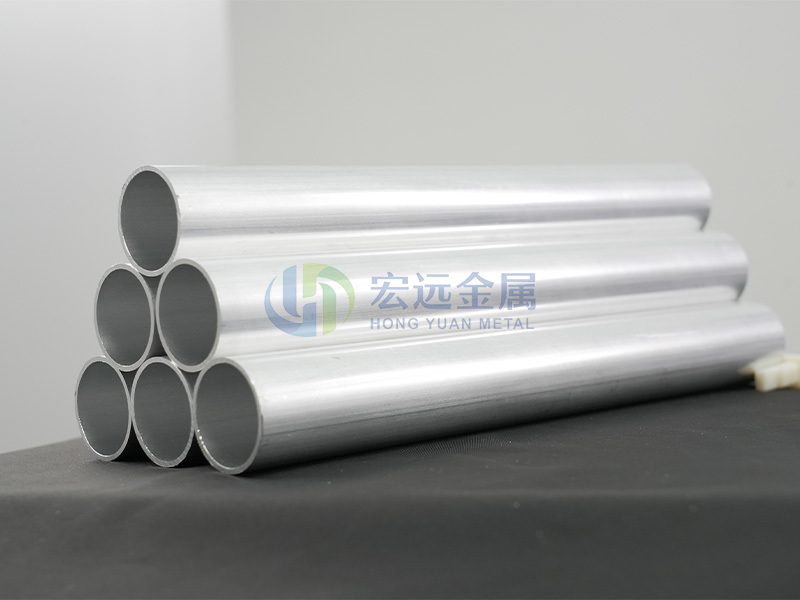
Essential Insights on Round Tubes for Air Coolers in Construction Materials
In the construction and decorative materials industry, round tubes play a crucial role in various applications, particularly in air cooling systems. Round tubes for air coolers, often made from galvanized steel, offer numerous advantages that enhance both efficiency and durability. Understanding these benefits can aid professionals in making informed decisions when selecting materials for their pr

Unlocking Energy Efficiency: The Role of Coaxial Heat Exchanger Tubes in Modern Building Systems
Unlocking Energy Efficiency: The Role of Coaxial Heat Exchanger Tubes in Modern Building Systems Table of Contents Introduction to Coaxial Heat Exchanger Tubes Understanding Coaxial Heat Exchangers Key Design Features of Coaxial Heat Exchanger Tubes Benefits of Coaxial Heat Exchanger Tubes for Energy Efficiency Applications of Coaxial Heat Exchanger Tubes in Building Systems

Understanding Preflux Coating for Flat Tubes in Steel Construction
Preflux coating is a process applied to flat tubes that significantly enhances their performance and longevity in various construction and decorative applications. This specialized coating takes place before the welding process and serves as a protective layer that can improve the overall efficiency of the metal during subsequent manufacturing stages. One of the main benefits of preflux coating is

The Environmental Advantages of Using Zn-Silflux Coating Flat Tubes
The Environmental Advantages of Using Zn-Silflux Coating Flat Tubes Table of Contents 1. Introduction to Zn-Silflux Coating Flat Tubes 2. What is Zn-Silflux Coating? 3. Benefits of Using Zn-Silflux Coating Flat Tubes 3.1 Durability and Longevity 3.2 Corrosion Resistance 3.3 Energy Efficiency 4. Environmental Impact of Zn-Silflu
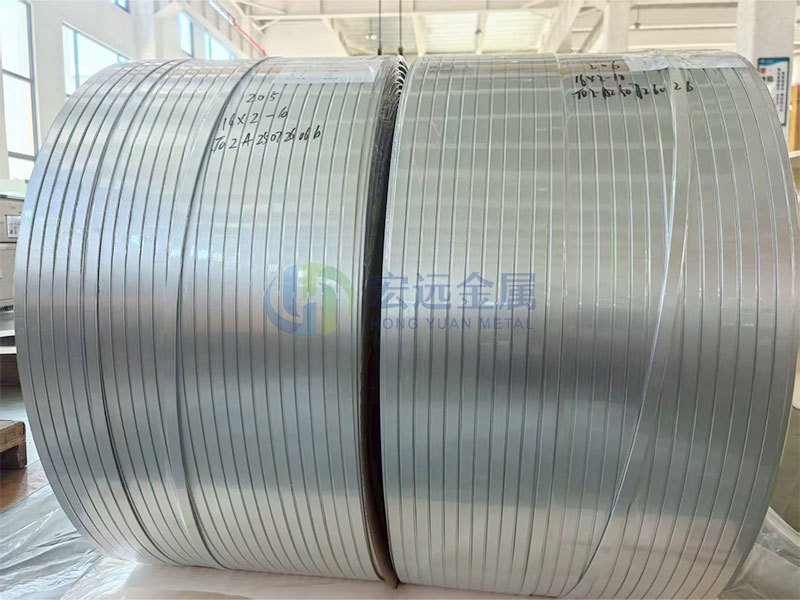
Understanding Microchannel Flat Tube Coils: The Future of HVAC Efficiency
Microchannel flat tube coils represent an innovative advancement in the design and functionality of HVAC systems, particularly in air conditioning, refrigeration, and ventilation equipment. These coils are comprised of flat tubes that are arranged in a compact configuration, offering several advantages over traditional round tube coils. One of the primary benefits is their enhanced heat transfer e
Microchannel Aluminum Flat Tubes: The Future of Lightweight Building Materials
Microchannel Aluminum Flat Tubes: The Future of Lightweight Building Materials Table of Contents 1. Introduction to Microchannel Aluminum Flat Tubes 2. What Are Microchannel Aluminum Flat Tubes? 3. Advantages of Microchannel Aluminum Flat Tubes 3.1 Lightweight Design 3.2 Thermal Efficiency 3.3 Corrosion Resistance 4. Applicatio