
Battery Cooling Tube: Efficient Thermal Management for High-Performance Batteries
Release time:
2026-02-09
Battery cooling tubes efficiently manage heat in electric vehicles, energy storage, and electronics, maintaining optimal cell temperatures. They enhance performance, extend battery life, prevent overheating, and integrate with liquid or air cooling systems for reliable thermal control.

Importance of Battery Thermal Management
Battery cooling tubes are critical components in modern electric vehicles, energy storage systems, and portable electronics, ensuring the safe and efficient operation of high-performance batteries. Effective thermal management helps maintain optimal temperature ranges during charging and discharging cycles, preventing overheating that can lead to reduced battery life, decreased performance, or safety hazards such as thermal runaway. By integrating cooling tubes into battery packs, engineers can improve energy efficiency, enhance longevity, and maintain consistent performance under varying environmental conditions.
Design and Material Considerations
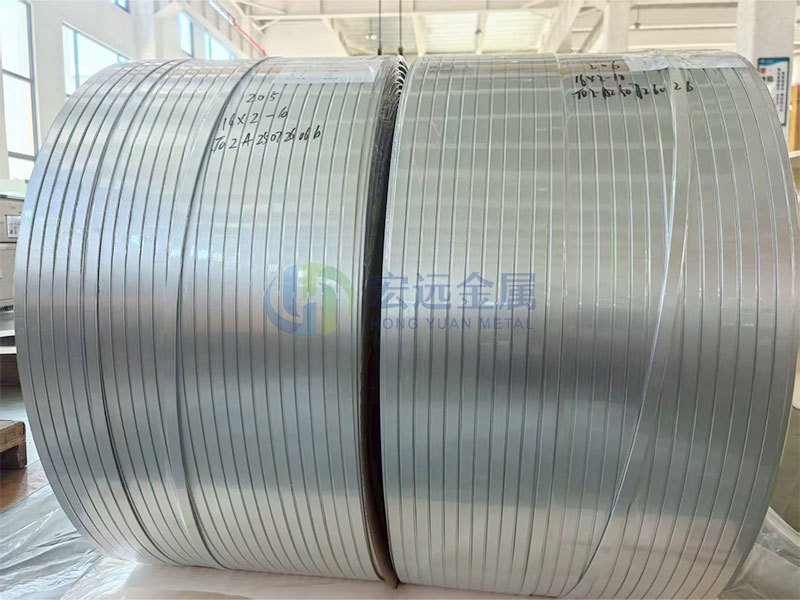
Battery cooling tubes are typically manufactured from high-quality materials with excellent thermal conductivity, chemical resistance, and mechanical durability. Commonly used materials include aluminum alloys, copper, and high-performance polymers. The tube design must accommodate the layout of battery cells, ensuring uniform cooling across the pack. Cross-sectional geometry, wall thickness, and connector interfaces are carefully engineered to maximize fluid flow efficiency while minimizing weight. Lightweight yet robust designs help maintain overall battery pack performance and vehicle efficiency.
Cooling Methods and Integration
Battery cooling tubes operate in conjunction with liquid or air-based thermal management systems. In liquid-cooled systems, coolant circulates through the tubes to transfer heat away from cells, while in some applications, air channels integrated into the tube structure enhance convective cooling. Proper integration with sensors, pumps, and control systems ensures that battery temperature is continuously monitored and maintained within safe operating limits. Efficient tube routing reduces flow resistance, optimizes heat dissipation, and prevents hotspots that could compromise battery reliability.
Mechanical Performance and Durability
Cooling tubes must withstand mechanical stress from vibration, thermal expansion, and assembly forces. High-quality fabrication ensures tubes maintain shape and integrity under prolonged operating conditions. Flexibility, impact resistance, and fatigue endurance are essential characteristics, especially in automotive applications where dynamic loads and repeated temperature cycles are common. Additionally, compatibility with battery pack enclosure materials and sealants ensures leak-free operation over the system’s service life.
Applications Across Industries
Battery cooling tubes are widely used in electric vehicles (EVs), hybrid electric vehicles (HEVs), grid energy storage systems, and high-performance portable devices. In EVs, cooling tubes help maintain optimal battery performance during rapid acceleration, regenerative braking, and high-speed operation. In stationary storage systems, they ensure uniform temperature distribution across large battery arrays, maximizing energy efficiency and longevity. Portable electronics also benefit from miniaturized cooling tubes to maintain safe operating temperatures and prevent thermal throttling.
Advantages of Efficient Cooling Tubes
Incorporating well-designed battery cooling tubes enhances safety, energy efficiency, and cycle life. By controlling cell temperatures, they reduce degradation rates, maintain output voltage stability, and improve user confidence in device reliability. Advanced designs also allow for modular construction, making maintenance and replacement easier while minimizing downtime.
Future Trends and Innovation
As battery technology evolves, cooling tube designs are advancing to support higher energy densities, faster charging rates, and more compact pack geometries. Innovations include micro-channel tubes, integrated sensors for real-time monitoring, and lightweight composite materials that combine thermal conductivity with reduced weight. These advancements aim to meet the increasing demand for safer, longer-lasting, and higher-performing battery systems in automotive, renewable energy, and consumer electronics sectors.
BLOGS
Understanding Microchannel Flat Tube Coils: The Future of HVAC Efficiency
Microchannel flat tube coils represent an innovative advancement in the design and functionality of HVAC systems, particularly in air conditioning, refrigeration, and ventilation equipment. These coils are comprised of flat tubes that are arranged in a compact configuration, offering several advantages over traditional round tube coils. One of the primary benefits is their enhanced heat transfer e

Microchannel Aluminum Flat Tubes: The Future of Lightweight Building Materials
Microchannel Aluminum Flat Tubes: The Future of Lightweight Building Materials Table of Contents 1. Introduction to Microchannel Aluminum Flat Tubes 2. What Are Microchannel Aluminum Flat Tubes? 3. Advantages of Microchannel Aluminum Flat Tubes 3.1 Lightweight Design 3.2 Thermal Efficiency 3.3 Corrosion Resistance 4. Applicatio

Understanding Oil Cooler Tubes: Essential Components for Efficient Performance
Oil cooler tubes play a crucial role in various applications, particularly within the construction and decorative materials sector. These components are essential for regulating the temperature of oil in machinery, ensuring optimal performance and longevity. Whether in heavy-duty equipment or smaller machines, understanding the function and importance of oil cooler tubes can greatly enhance operat

Maximizing Air Flow with Round Tubes for Air Coolers
Maximizing Air Flow with Round Tubes for Air Coolers Introduction to Air Flow in Cooling Systems In the realm of climate control, effective air flow is crucial. Air coolers rely on the movement of air to regulate temperatures, making the design of air ducts and tubes a significant factor in their performance. This article focuses on the advantages of using round tubes in air cooling systems, s

Understanding Coaxial Heat Exchanger Tubes: A Key Component in Modern Architecture
Coaxial heat exchanger tubes are innovative components designed to improve thermal efficiency in various systems. Unlike traditional heat exchangers, which often utilize a single pipe or tube for heat transfer, coaxial heat exchangers consist of one tube inside another, allowing for a more efficient transfer of heat. This design not only maximizes the surface area for heat exchange but also minimi

Preflux Coating: Enhancing the Performance of Flat Tubes in Construction
Introduction to Preflux Coating and Its Importance in Construction In the realm of construction, the materials used can significantly impact the overall quality and longevity of structures. One such material that has garnered attention is **flat tubes**, particularly those treated with **preflux coating**. This innovative technology not only enhances the performance of flat tubes but also plays a