
Understanding Oil Cooler Tubes: Essential Components for Efficient Performance
Release time:
2026-10-07
Oil cooler tubes play a crucial role in various applications, particularly within the construction and decorative materials sector. These components are essential for regulating the temperature of oil in machinery, ensuring optimal performance and longevity. Whether in heavy-duty equipment or smaller machines, understanding the function and importance of oil cooler tubes can greatly enhance operat

The primary function of an oil cooler tube is to dissipate heat generated during the operation of machinery. When machines run, the oil circulates, lubricating essential components and reducing friction. However, this process generates heat, which, if not managed properly, can lead to overheating and potentially catastrophic failures. Oil cooler tubes facilitate the transfer of heat away from the oil, allowing it to remain within optimal temperature ranges. This cooling process not only preserves the integrity of the machinery but also enhances its overall performance.
In the context of pipe fittings, oil cooler tubes are typically constructed from materials that can withstand high temperatures and pressures. Common materials include aluminum, copper, or steel, each chosen for its specific thermal conductivity and durability. Proper selection of materials is vital, as it directly impacts the efficiency of the cooling process. Moreover, the design of the tubes can vary, with options such as finned designs providing increased surface area for heat exchange, thus improving performance.
When installing or maintaining oil cooler tubes, several factors should be considered. First, ensure that the tubes are correctly sized for the application to maintain efficient oil flow and heat dissipation. Additionally, regular inspections and maintenance are crucial. Look for signs of wear, corrosion, or blockages, as these can significantly hinder performance. Maintaining clean and unobstructed tubes ensures that the cooling process remains effective, ultimately prolonging the life of the machinery.
Furthermore, the integration of oil cooler tubes into a broader system requires attention to detail. Connections with other components must be secure and leak-free, as any fluid loss can lead to decreased efficiency and potential damage. Utilizing proper seals and fittings is essential for maintaining the integrity of the system.
In summary, oil cooler tubes are vital components for maintaining the efficiency and longevity of machinery in the construction and decorative materials industry. By effectively managing oil temperatures, these tubes help prevent overheating, thereby enhancing performance and reducing the risk of mechanical failures. Understanding their role, along with proper maintenance and installation practices, is key to optimizing equipment performance and ensuring continuous operation.
BLOGS
Exploring the Benefits of High-Quality Oil Cooler Tubes: A Comprehensive Guide
Exploring the Benefits of High-Quality Oil Cooler Tubes Table of Contents 1. Introduction to Oil Cooler Tubes 2. Importance of High-Quality Oil Cooler Tubes 3. Materials Used in Oil Cooler Tubes 4. Enhancing Performance with Quality Tubes 5. Longevity and Durability of Oil Cooler Tubes 6. Cost-Benefit Analysis of Investing in High-Quality Tubes 7. Environmental Impact
Essential Insights on Round Tubes for Air Coolers in Construction Materials
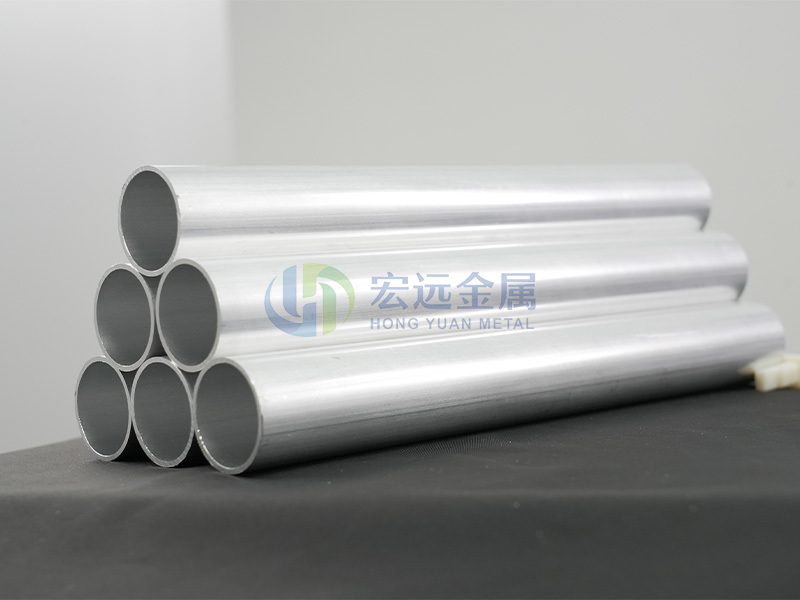
In the construction and decorative materials industry, round tubes play a crucial role in various applications, particularly in air cooling systems. Round tubes for air coolers, often made from galvanized steel, offer numerous advantages that enhance both efficiency and durability. Understanding these benefits can aid professionals in making informed decisions when selecting materials for their pr

Unlocking Energy Efficiency: The Role of Coaxial Heat Exchanger Tubes in Modern Building Systems
Unlocking Energy Efficiency: The Role of Coaxial Heat Exchanger Tubes in Modern Building Systems Table of Contents Introduction to Coaxial Heat Exchanger Tubes Understanding Coaxial Heat Exchangers Key Design Features of Coaxial Heat Exchanger Tubes Benefits of Coaxial Heat Exchanger Tubes for Energy Efficiency Applications of Coaxial Heat Exchanger Tubes in Building Systems

Understanding Preflux Coating for Flat Tubes in Steel Construction
Preflux coating is a process applied to flat tubes that significantly enhances their performance and longevity in various construction and decorative applications. This specialized coating takes place before the welding process and serves as a protective layer that can improve the overall efficiency of the metal during subsequent manufacturing stages. One of the main benefits of preflux coating is

The Environmental Advantages of Using Zn-Silflux Coating Flat Tubes
The Environmental Advantages of Using Zn-Silflux Coating Flat Tubes Table of Contents 1. Introduction to Zn-Silflux Coating Flat Tubes 2. What is Zn-Silflux Coating? 3. Benefits of Using Zn-Silflux Coating Flat Tubes 3.1 Durability and Longevity 3.2 Corrosion Resistance 3.3 Energy Efficiency 4. Environmental Impact of Zn-Silflu
Understanding Microchannel Flat Tube Coils: The Future of HVAC Efficiency
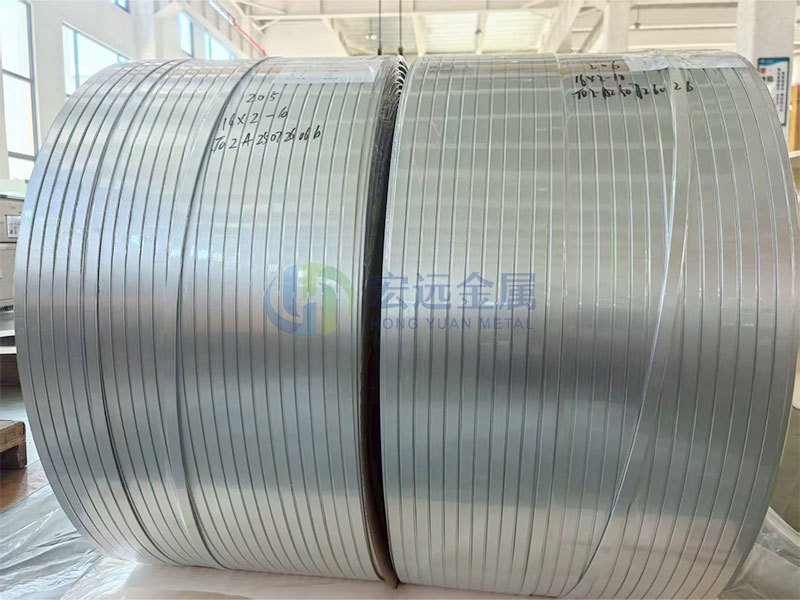
Microchannel flat tube coils represent an innovative advancement in the design and functionality of HVAC systems, particularly in air conditioning, refrigeration, and ventilation equipment. These coils are comprised of flat tubes that are arranged in a compact configuration, offering several advantages over traditional round tube coils. One of the primary benefits is their enhanced heat transfer e