
Exploring the Benefits of High-Quality Oil Cooler Tubes: A Comprehensive Guide
Release time:
2026-11-21
Exploring the Benefits of High-Quality Oil Cooler Tubes Table of Contents 1. Introduction to Oil Cooler Tubes 2. Importance of High-Quality Oil Cooler Tubes 3. Materials Used in Oil Cooler Tubes 4. Enhancing Performance with Quality Tubes 5. Longevity and Durability of Oil Cooler Tubes 6. Cost-Benefit Analysis of Investing in High-Quality Tubes 7. Environmental Impact

Exploring the Benefits of High-Quality Oil Cooler Tubes
Table of Contents
- 1. Introduction to Oil Cooler Tubes
- 2. Importance of High-Quality Oil Cooler Tubes
- 3. Materials Used in Oil Cooler Tubes
- 4. Enhancing Performance with Quality Tubes
- 5. Longevity and Durability of Oil Cooler Tubes
- 6. Cost-Benefit Analysis of Investing in High-Quality Tubes
- 7. Environmental Impact of Oil Cooler Tubes
- 8. Installation and Maintenance Tips
- 9. Conclusion
- 10. Frequently Asked Questions
1. Introduction to Oil Cooler Tubes
Oil cooler tubes play a crucial role in managing the temperature of machinery and engines across various industries, including construction and decorative materials. These tubes circulate oil to dissipate heat, ensuring optimal performance and preventing overheating. High-quality oil cooler tubes are integral to maintaining system efficiency and prolonging the lifespan of equipment.
2. Importance of High-Quality Oil Cooler Tubes
Investing in **high-quality oil cooler tubes** offers several benefits that can significantly impact the overall performance and durability of machinery:
- **Efficient Heat Transfer:** High-quality tubes facilitate better heat dissipation, allowing machinery to operate at optimal temperatures.
- **Reduced Downtime:** With improved performance comes reduced risk of overheating, leading to fewer breakdowns and less downtime.
- **Cost Savings:** While the initial investment may be higher, the long-term savings on maintenance and repair costs are significant.
Why Choose High-Quality Tubes?
High-quality oil cooler tubes are designed to withstand extreme conditions and provide consistent performance over time. They are engineered with precision, utilizing advanced materials and manufacturing techniques to ensure reliability. Choosing these premium tubes can mean the difference between frequent repairs and smooth operations.
3. Materials Used in Oil Cooler Tubes
The materials used in the construction of oil cooler tubes are critical to their performance and longevity. Common materials include:
- **Aluminum:** Lightweight and excellent for heat conductivity, aluminum is often used in high-performance applications.
- **Stainless Steel:** Known for its corrosion resistance, stainless steel is ideal for environments with high humidity or exposure to chemicals.
- **Copper:** While less common, copper offers superior thermal conductivity and is sometimes used in specialized applications.
Choosing the Right Material for Your Needs
Each material comes with advantages and disadvantages. When selecting oil cooler tubes, consider factors such as the operating environment, thermal conductivity requirements, and budget constraints to make an informed decision.
4. Enhancing Performance with Quality Tubes
The performance of machinery is heavily reliant on the efficiency of its cooling system. High-quality oil cooler tubes enhance performance in several ways:
- **Optimal Oil Temperature:** By efficiently managing oil temperature, these tubes help maintain the viscosity of the oil, ensuring adequate lubrication.
- **Improved Engine Performance:** Cooler oil means a more efficient engine, leading to better fuel economy and reduced emissions.
- **Enhanced Reliability:** Quality tubes reduce the risk of oil leaks and system failures, ensuring machinery operates reliably under demanding conditions.
5. Longevity and Durability of Oil Cooler Tubes
One of the standout benefits of high-quality oil cooler tubes is their durability. Quality tubes are designed to resist wear and tear, leading to:
- **Extended Lifespan:** With robust construction, high-quality tubes can last significantly longer than standard options, reducing the need for replacements.
- **Reduced Maintenance Requirements:** Fewer failures mean less frequent maintenance, allowing for uninterrupted operation and lower overall costs.
Factors Influencing Longevity
Several factors influence the longevity of oil cooler tubes, including:
- **Operating Conditions:** High temperatures and harsh environments can accelerate wear.
- **Quality of Installation:** Proper installation is crucial for ensuring the longevity of the tubes.
6. Cost-Benefit Analysis of Investing in High-Quality Tubes
While high-quality oil cooler tubes may come with a higher upfront cost, performing a cost-benefit analysis reveals significant long-term savings. Consider the following:
- **Reduced Repair Costs:** Fewer breakdowns lead to lower repair expenses.
- **Energy Efficiency:** Improved performance often results in better fuel efficiency, translating to lower operating costs.
- **Longevity:** A longer lifespan for tubes means less frequent replacements and associated costs.
Making the Investment
When evaluating whether to invest in high-quality oil cooler tubes, it’s essential to look beyond the initial costs. Analyze the long-term implications and consider how these tubes can contribute to the overall efficiency and profitability of your operations.
7. Environmental Impact of Oil Cooler Tubes
In today’s eco-conscious world, the environmental impact of industrial components is paramount. High-quality oil cooler tubes contribute to sustainability in several ways:
- **Reduced Waste:** Longer-lasting components lead to less waste and fewer replacements.
- **Improved Efficiency:** Efficient machinery consumes less fuel, resulting in lower emissions and decreased environmental footprint.
Eco-Friendly Options
When selecting oil cooler tubes, consider options made from recyclable materials or those designed to minimize environmental impact throughout their lifecycle. This not only benefits the planet but also aligns with corporate sustainability goals.
8. Installation and Maintenance Tips
Proper installation and maintenance are vital to ensuring the performance and longevity of oil cooler tubes. Here are some essential tips:
- **Follow Manufacturer Guidelines:** Always adhere to the manufacturer’s recommendations for installation to avoid issues.
- **Regular Inspections:** Conduct routine checks for signs of wear, leaks, or damage.
- **Use Quality Fluids:** Ensure that the oil used is compatible with the tube material to prevent degradation.
Signs of Wear to Watch For
Be on the lookout for:
- **Discoloration:** Changes in color can indicate overheating or contamination.
- **Leaks:** Any oil leaks should be addressed immediately to prevent further damage.
9. Conclusion
In the construction and decorative materials industry, investing in high-quality oil cooler tubes is a decision that pays dividends in performance, reliability, and cost savings. These tubes not only enhance engine efficiency and extend machinery lifespan but also contribute to sustainability efforts. By understanding the materials, benefits, and care required for these essential components, organizations can make informed decisions that lead to better operational outcomes.
10. Frequently Asked Questions
1. What are oil cooler tubes used for?
Oil cooler tubes are used to dissipate heat from engine oil, helping to maintain optimal operating temperatures for machinery.
2. What materials are best for oil cooler tubes?
Common materials include aluminum, stainless steel, and copper. The choice depends on the specific application and environmental conditions.
3. How can high-quality oil cooler tubes reduce costs?
They reduce the frequency of repairs and replacements, improve fuel efficiency, and enhance overall machinery reliability.
4. How often should oil cooler tubes be inspected?
Regular inspections should be conducted at least once a year or more frequently based on operating conditions.
5. Can installing high-quality oil cooler tubes improve engine performance?
Yes, they help maintain optimal oil temperature and viscosity, leading to better engine performance and efficiency.
By following this comprehensive guide, you can better understand the myriad benefits of high-quality oil cooler tubes and how they can enhance your operations while contributing positively to your bottom line.
BLOGS
Exploring the Benefits of High-Quality Oil Cooler Tubes: A Comprehensive Guide
Exploring the Benefits of High-Quality Oil Cooler Tubes Table of Contents 1. Introduction to Oil Cooler Tubes 2. Importance of High-Quality Oil Cooler Tubes 3. Materials Used in Oil Cooler Tubes 4. Enhancing Performance with Quality Tubes 5. Longevity and Durability of Oil Cooler Tubes 6. Cost-Benefit Analysis of Investing in High-Quality Tubes 7. Environmental Impact
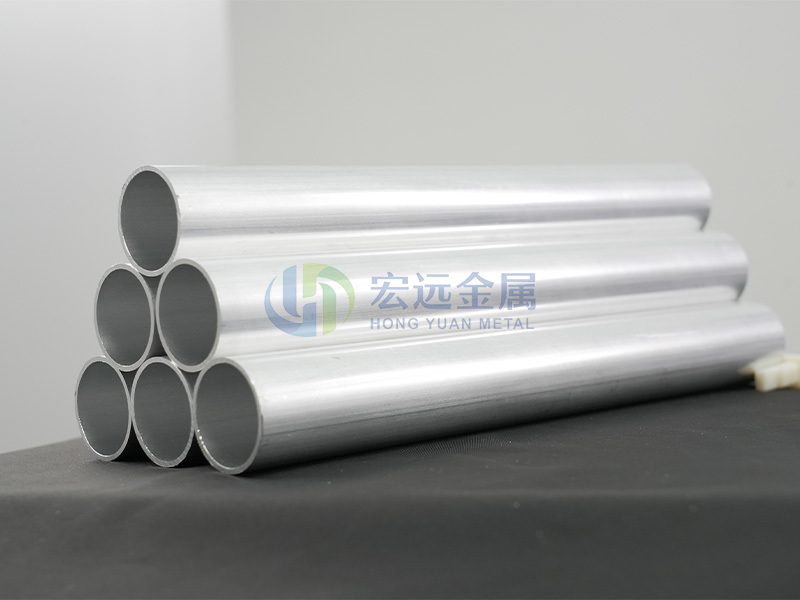
Essential Insights on Round Tubes for Air Coolers in Construction Materials
In the construction and decorative materials industry, round tubes play a crucial role in various applications, particularly in air cooling systems. Round tubes for air coolers, often made from galvanized steel, offer numerous advantages that enhance both efficiency and durability. Understanding these benefits can aid professionals in making informed decisions when selecting materials for their pr

Unlocking Energy Efficiency: The Role of Coaxial Heat Exchanger Tubes in Modern Building Systems
Unlocking Energy Efficiency: The Role of Coaxial Heat Exchanger Tubes in Modern Building Systems Table of Contents Introduction to Coaxial Heat Exchanger Tubes Understanding Coaxial Heat Exchangers Key Design Features of Coaxial Heat Exchanger Tubes Benefits of Coaxial Heat Exchanger Tubes for Energy Efficiency Applications of Coaxial Heat Exchanger Tubes in Building Systems

Understanding Preflux Coating for Flat Tubes in Steel Construction
Preflux coating is a process applied to flat tubes that significantly enhances their performance and longevity in various construction and decorative applications. This specialized coating takes place before the welding process and serves as a protective layer that can improve the overall efficiency of the metal during subsequent manufacturing stages. One of the main benefits of preflux coating is

The Environmental Advantages of Using Zn-Silflux Coating Flat Tubes
The Environmental Advantages of Using Zn-Silflux Coating Flat Tubes Table of Contents 1. Introduction to Zn-Silflux Coating Flat Tubes 2. What is Zn-Silflux Coating? 3. Benefits of Using Zn-Silflux Coating Flat Tubes 3.1 Durability and Longevity 3.2 Corrosion Resistance 3.3 Energy Efficiency 4. Environmental Impact of Zn-Silflu
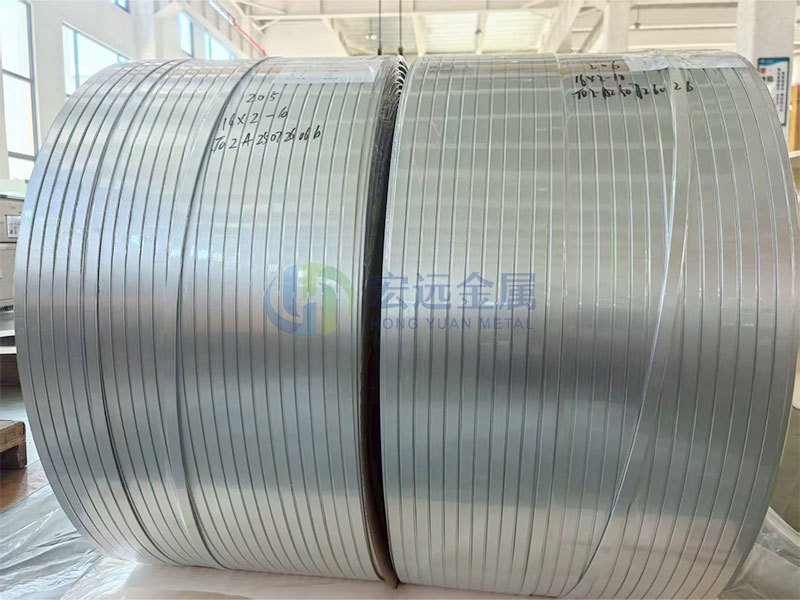
Understanding Microchannel Flat Tube Coils: The Future of HVAC Efficiency
Microchannel flat tube coils represent an innovative advancement in the design and functionality of HVAC systems, particularly in air conditioning, refrigeration, and ventilation equipment. These coils are comprised of flat tubes that are arranged in a compact configuration, offering several advantages over traditional round tube coils. One of the primary benefits is their enhanced heat transfer e