
Essential Insights on Round Tubes for Air Coolers in Construction Materials
Release time:
2026-11-17
In the construction and decorative materials industry, round tubes play a crucial role in various applications, particularly in air cooling systems. Round tubes for air coolers, often made from galvanized steel, offer numerous advantages that enhance both efficiency and durability. Understanding these benefits can aid professionals in making informed decisions when selecting materials for their pr
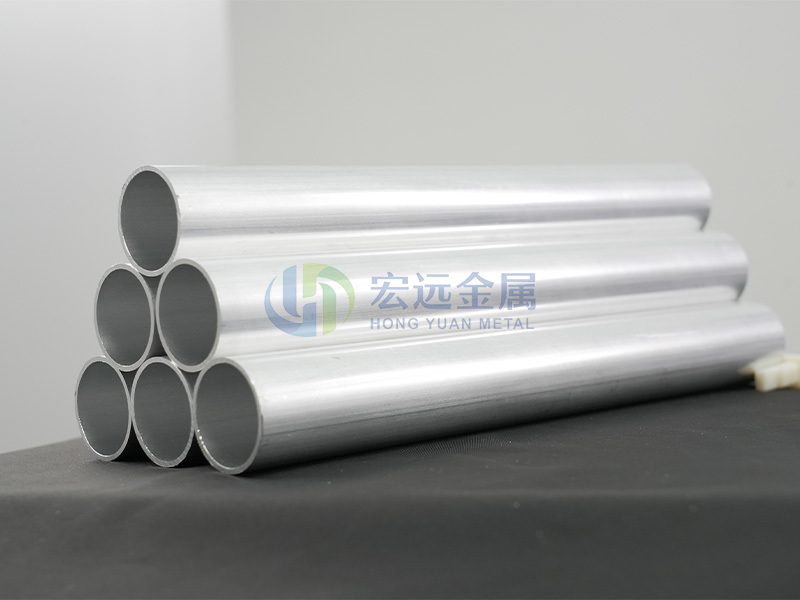
One of the primary benefits of using round tubes for air coolers is their efficiency in air distribution. The circular shape allows for smoother airflow, which can significantly improve the cooling capacity of the system. This design minimizes turbulence, thereby optimizing the performance of the air cooler and ensuring that the environment remains comfortable, especially in larger spaces.
Additionally, the use of galvanized pipes in constructing round tubes adds a layer of protection against corrosion. Galvanization involves coating the steel with a layer of zinc, which not only enhances the pipe's durability but also extends its lifespan. This is particularly important in environments with high humidity or exposure to moisture, as it reduces the risk of rust and degradation over time.
When selecting round tubes for air coolers, it is essential to consider various factors to ensure compatibility with your specific application. First, assess the diameter and thickness of the tubes, as these dimensions will influence airflow rate and pressure drop. The right size ensures that the air cooler operates efficiently, minimizing energy consumption while maximizing output.
Moreover, it's critical to evaluate the environmental conditions where the air cooler will be installed. This includes temperature variations, humidity levels, and potential exposure to chemicals or pollutants. Choosing the right material and coating for round tubes can significantly affect their performance and longevity in such environments.
Another consideration is the installation process. Round tubes should be easy to handle and connect, which can reduce the overall installation time and labor costs. Ensuring that the tubes have standardized fittings will facilitate a smoother assembly process and enhance the system's reliability.
In summary, round tubes for air coolers are an essential component in the construction and decorative materials industry, particularly when made from galvanized steel. Their design promotes efficient air distribution, while their corrosion-resistant properties ensure longevity. By considering factors such as size, environmental conditions, and installation ease, professionals can select the most suitable round tubes, thereby enhancing the performance of air cooling systems and ensuring a comfortable indoor climate.
BLOGS

Exploring the Benefits of High-Quality Oil Cooler Tubes: A Comprehensive Guide
Exploring the Benefits of High-Quality Oil Cooler Tubes Table of Contents 1. Introduction to Oil Cooler Tubes 2. Importance of High-Quality Oil Cooler Tubes 3. Materials Used in Oil Cooler Tubes 4. Enhancing Performance with Quality Tubes 5. Longevity and Durability of Oil Cooler Tubes 6. Cost-Benefit Analysis of Investing in High-Quality Tubes 7. Environmental Impact
Essential Insights on Round Tubes for Air Coolers in Construction Materials
In the construction and decorative materials industry, round tubes play a crucial role in various applications, particularly in air cooling systems. Round tubes for air coolers, often made from galvanized steel, offer numerous advantages that enhance both efficiency and durability. Understanding these benefits can aid professionals in making informed decisions when selecting materials for their pr

Unlocking Energy Efficiency: The Role of Coaxial Heat Exchanger Tubes in Modern Building Systems
Unlocking Energy Efficiency: The Role of Coaxial Heat Exchanger Tubes in Modern Building Systems Table of Contents Introduction to Coaxial Heat Exchanger Tubes Understanding Coaxial Heat Exchangers Key Design Features of Coaxial Heat Exchanger Tubes Benefits of Coaxial Heat Exchanger Tubes for Energy Efficiency Applications of Coaxial Heat Exchanger Tubes in Building Systems

Understanding Preflux Coating for Flat Tubes in Steel Construction
Preflux coating is a process applied to flat tubes that significantly enhances their performance and longevity in various construction and decorative applications. This specialized coating takes place before the welding process and serves as a protective layer that can improve the overall efficiency of the metal during subsequent manufacturing stages. One of the main benefits of preflux coating is

The Environmental Advantages of Using Zn-Silflux Coating Flat Tubes
The Environmental Advantages of Using Zn-Silflux Coating Flat Tubes Table of Contents 1. Introduction to Zn-Silflux Coating Flat Tubes 2. What is Zn-Silflux Coating? 3. Benefits of Using Zn-Silflux Coating Flat Tubes 3.1 Durability and Longevity 3.2 Corrosion Resistance 3.3 Energy Efficiency 4. Environmental Impact of Zn-Silflu
Understanding Microchannel Flat Tube Coils: The Future of HVAC Efficiency
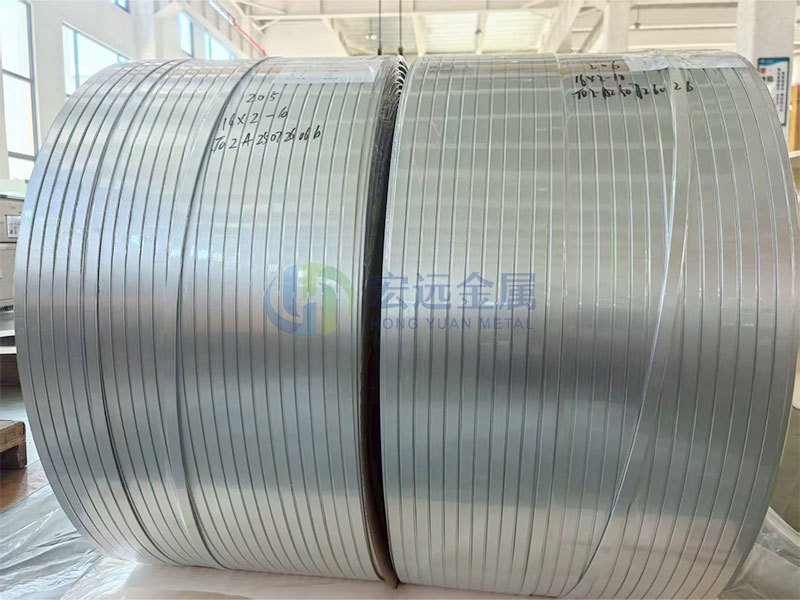
Microchannel flat tube coils represent an innovative advancement in the design and functionality of HVAC systems, particularly in air conditioning, refrigeration, and ventilation equipment. These coils are comprised of flat tubes that are arranged in a compact configuration, offering several advantages over traditional round tube coils. One of the primary benefits is their enhanced heat transfer e