
Unlocking Energy Efficiency: The Role of Coaxial Heat Exchanger Tubes in Modern Building Systems
Release time:
2026-11-13
Unlocking Energy Efficiency: The Role of Coaxial Heat Exchanger Tubes in Modern Building Systems Table of Contents Introduction to Coaxial Heat Exchanger Tubes Understanding Coaxial Heat Exchangers Key Design Features of Coaxial Heat Exchanger Tubes Benefits of Coaxial Heat Exchanger Tubes for Energy Efficiency Applications of Coaxial Heat Exchanger Tubes in Building Systems

Unlocking Energy Efficiency: The Role of Coaxial Heat Exchanger Tubes in Modern Building Systems
Table of Contents
- Introduction to Coaxial Heat Exchanger Tubes
- Understanding Coaxial Heat Exchangers
- Key Design Features of Coaxial Heat Exchanger Tubes
- Benefits of Coaxial Heat Exchanger Tubes for Energy Efficiency
- Applications of Coaxial Heat Exchanger Tubes in Building Systems
- Installation and Maintenance of Coaxial Heat Exchanger Tubes
- Comparison with Other Heat Exchangers
- The Future of Coaxial Heat Exchanger Technology
- FAQs
- Conclusion
Introduction to Coaxial Heat Exchanger Tubes
In the quest for enhanced **energy efficiency** within the building and construction industry, **coaxial heat exchanger tubes** have emerged as essential components. These tubes play a pivotal role in optimizing thermal performance and reducing energy consumption across various applications. This article aims to explore the intricate details of coaxial heat exchangers, their design features, benefits, applications, and future trends that position them as vital assets in modern building systems.
Understanding Coaxial Heat Exchangers
Coaxial heat exchangers are innovative devices that use two concentric tubes to facilitate the transfer of heat between two fluids. The inner tube carries one fluid, while the outer tube carries another, allowing for efficient thermal exchange without direct contact. This design minimizes heat loss and maximizes energy efficiency, making it increasingly popular in heating, ventilation, and air conditioning (HVAC) systems, as well as industrial applications.
How Coaxial Heat Exchangers Work
The operation of coaxial heat exchangers is based on the principle of **thermal conduction**. As the fluid in the inner tube heats up, it transfers heat to the fluid in the outer tube, which then circulates to different parts of the system. This process ensures that energy is utilized effectively, reducing wastage and enhancing overall system performance.
Key Design Features of Coaxial Heat Exchanger Tubes
The design of coaxial heat exchanger tubes is crucial for their performance and efficiency. Several key features contribute to their effectiveness in various applications.
1. Enhanced Heat Transfer Surface Area
The concentric design of coaxial heat exchangers provides a significantly larger heat transfer surface area compared to traditional heat exchangers. This increased surface area allows for more efficient heat exchange, leading to lower energy consumption.
2. Compact Size
Coaxial heat exchanger tubes are typically more compact than their counterparts, making them suitable for installations where space is limited. Their slim profile enables easy integration into existing systems without extensive modifications.
3. Corrosion Resistance
Many coaxial heat exchangers are constructed from materials that resist corrosion, ensuring long-term durability and reliability. This feature is especially important in applications where the fluids involved may be corrosive.
Benefits of Coaxial Heat Exchanger Tubes for Energy Efficiency
The adoption of coaxial heat exchanger tubes in building systems presents numerous benefits, primarily revolving around energy efficiency.
1. Reduced Energy Consumption
By optimizing heat transfer, coaxial heat exchangers significantly reduce the energy needed for heating and cooling processes. This translates to lower utility bills and a reduced carbon footprint, aligning with sustainable building practices.
2. Improved System Performance
The enhanced thermal performance of coaxial heat exchangers contributes to overall system efficiency. Buildings equipped with these tubes can maintain comfortable indoor temperatures with minimal energy expenditure.
3. Versatility and Adaptability
Coaxial heat exchangers can be integrated into a wide range of applications, including residential, commercial, and industrial systems. Their adaptability makes them suitable for various heating and cooling needs.
Applications of Coaxial Heat Exchanger Tubes in Building Systems
Coaxial heat exchangers are utilized in numerous applications within building systems, showcasing their versatility and effectiveness.
1. HVAC Systems
In HVAC applications, coaxial heat exchangers improve the efficiency of heating and cooling systems. By utilizing waste heat and optimizing heat exchange, these tubes help maintain ideal indoor climates.
2. Hot Water Systems
Coaxial heat exchangers are also employed in domestic hot water systems, ensuring rapid and efficient heating. Their compact design allows for easy installation in residential settings.
3. Industrial Processes
In industrial settings, coaxial heat exchangers facilitate efficient temperature control in processes such as manufacturing and food processing. Their ability to handle high fluid temperatures and pressures makes them suitable for demanding applications.
Installation and Maintenance of Coaxial Heat Exchanger Tubes
Proper installation and maintenance are critical to maximizing the performance of coaxial heat exchanger tubes.
Installation Guidelines
When installing coaxial heat exchangers, it is essential to follow manufacturer guidelines to ensure optimal performance. Proper alignment, secure connections, and insulation are crucial factors that contribute to the efficiency of the system.
Maintenance Practices
Regular maintenance, including inspections, cleaning, and repairs, is necessary to prevent issues such as blockages or corrosion. By maintaining coaxial heat exchangers, building owners can ensure long-lasting performance and energy efficiency.
Comparison with Other Heat Exchangers
When evaluating heat exchanger options, it's essential to understand how coaxial heat exchangers compare to other designs, such as shell-and-tube and plate heat exchangers.
1. Shell-and-Tube Heat Exchangers
While shell-and-tube heat exchangers are widely used, they tend to occupy more space and can be less efficient in heat transfer compared to coaxial designs. The compact nature of coaxial heat exchangers often makes them a preferred choice for modern systems.
2. Plate Heat Exchangers
Plate heat exchangers are known for their efficiency but require more maintenance due to their complex design. Coaxial heat exchangers, with their simpler construction and ease of maintenance, can provide a more reliable option for many applications.
The Future of Coaxial Heat Exchanger Technology
As energy efficiency becomes increasingly important in building design, the role of coaxial heat exchangers is likely to expand. Innovations in materials and design could lead to even greater efficiencies and new applications.
1. Advances in Material Science
Developments in lightweight and corrosion-resistant materials will enhance the performance and durability of coaxial heat exchangers, allowing for broader adoption in various industries.
2. Integration with Smart Technologies
The future of coaxial heat exchangers may involve integration with smart building technologies, enabling real-time monitoring and optimization of energy use. This could lead to even higher efficiency and cost savings.
FAQs
1. What are coaxial heat exchanger tubes?
Coaxial heat exchanger tubes are devices featuring two concentric tubes that facilitate efficient heat transfer between two fluids without direct contact.
2. How do coaxial heat exchangers improve energy efficiency?
By maximizing heat transfer and minimizing heat loss, coaxial heat exchangers significantly reduce the energy required for heating and cooling processes.
3. What applications benefit from coaxial heat exchangers?
Coaxial heat exchangers are utilized in HVAC systems, hot water systems, and various industrial processes, among others.
4. What are the maintenance requirements for coaxial heat exchangers?
Regular inspections, cleaning, and repairs are necessary to maintain the performance and efficiency of coaxial heat exchangers.
5. How do coaxial heat exchangers compare to other types of heat exchangers?
Coaxial heat exchangers are generally more compact and easier to maintain than shell-and-tube or plate heat exchangers, offering advantages in efficiency and installation.
Conclusion
Coaxial heat exchanger tubes represent a pivotal advancement in achieving **energy efficiency** within the building and construction industry. Their unique design, coupled with significant benefits, positions them as essential components in modern HVAC and industrial systems. As the demand for sustainable building practices continues to grow, the role of coaxial heat exchangers will undoubtedly expand, leading to enhanced performance and reduced energy consumption. Embracing this technology not only supports energy efficiency goals but also contributes to a greener and more sustainable future in construction and building systems.
BLOGS

Exploring the Benefits of High-Quality Oil Cooler Tubes: A Comprehensive Guide
Exploring the Benefits of High-Quality Oil Cooler Tubes Table of Contents 1. Introduction to Oil Cooler Tubes 2. Importance of High-Quality Oil Cooler Tubes 3. Materials Used in Oil Cooler Tubes 4. Enhancing Performance with Quality Tubes 5. Longevity and Durability of Oil Cooler Tubes 6. Cost-Benefit Analysis of Investing in High-Quality Tubes 7. Environmental Impact
Essential Insights on Round Tubes for Air Coolers in Construction Materials
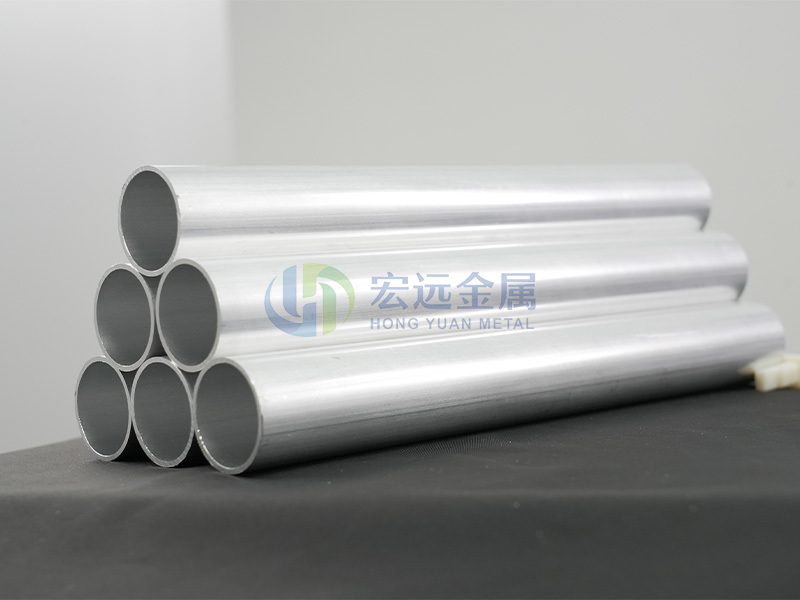
In the construction and decorative materials industry, round tubes play a crucial role in various applications, particularly in air cooling systems. Round tubes for air coolers, often made from galvanized steel, offer numerous advantages that enhance both efficiency and durability. Understanding these benefits can aid professionals in making informed decisions when selecting materials for their pr
Unlocking Energy Efficiency: The Role of Coaxial Heat Exchanger Tubes in Modern Building Systems
Unlocking Energy Efficiency: The Role of Coaxial Heat Exchanger Tubes in Modern Building Systems Table of Contents Introduction to Coaxial Heat Exchanger Tubes Understanding Coaxial Heat Exchangers Key Design Features of Coaxial Heat Exchanger Tubes Benefits of Coaxial Heat Exchanger Tubes for Energy Efficiency Applications of Coaxial Heat Exchanger Tubes in Building Systems

Understanding Preflux Coating for Flat Tubes in Steel Construction
Preflux coating is a process applied to flat tubes that significantly enhances their performance and longevity in various construction and decorative applications. This specialized coating takes place before the welding process and serves as a protective layer that can improve the overall efficiency of the metal during subsequent manufacturing stages. One of the main benefits of preflux coating is

The Environmental Advantages of Using Zn-Silflux Coating Flat Tubes
The Environmental Advantages of Using Zn-Silflux Coating Flat Tubes Table of Contents 1. Introduction to Zn-Silflux Coating Flat Tubes 2. What is Zn-Silflux Coating? 3. Benefits of Using Zn-Silflux Coating Flat Tubes 3.1 Durability and Longevity 3.2 Corrosion Resistance 3.3 Energy Efficiency 4. Environmental Impact of Zn-Silflu
Understanding Microchannel Flat Tube Coils: The Future of HVAC Efficiency
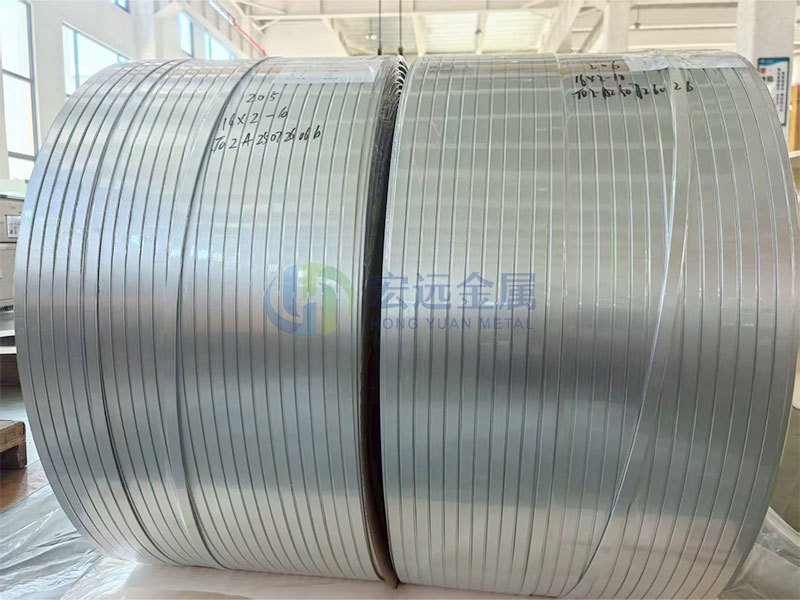
Microchannel flat tube coils represent an innovative advancement in the design and functionality of HVAC systems, particularly in air conditioning, refrigeration, and ventilation equipment. These coils are comprised of flat tubes that are arranged in a compact configuration, offering several advantages over traditional round tube coils. One of the primary benefits is their enhanced heat transfer e