
Exploring the Benefits of Microchannel Flat Tube Coils in HVAC Systems
Release time:
2025-11-04
Exploring the Benefits of Microchannel Flat Tube Coils in HVAC Systems Table of Contents Introduction to Microchannel Flat Tube Coils What Are Microchannel Flat Tube Coils? Advantages of Microchannel Flat Tube Coils Applications of Microchannel Flat Tube Coils in HVAC Systems Energy Efficiency and Sustainability of Microchannel Coils Maintenance and Lifespan of Microchanne
Exploring the Benefits of Microchannel Flat Tube Coils in HVAC Systems
Table of Contents
- Introduction to Microchannel Flat Tube Coils
- What Are Microchannel Flat Tube Coils?
- Advantages of Microchannel Flat Tube Coils
- Applications of Microchannel Flat Tube Coils in HVAC Systems
- Energy Efficiency and Sustainability of Microchannel Coils
- Maintenance and Lifespan of Microchannel Flat Tube Coils
- Future Trends in HVAC Technology
- Frequently Asked Questions
- Conclusion
Introduction to Microchannel Flat Tube Coils
Microchannel flat tube coils represent a significant advancement in the design and performance of HVAC systems. These innovative coils utilize a compact and lightweight design that maximizes heat transfer efficiency while minimizing refrigerant charges. As we explore the benefits of microchannel flat tube coils, it’s essential to understand their components and how they enhance the overall functionality of HVAC systems.
What Are Microchannel Flat Tube Coils?
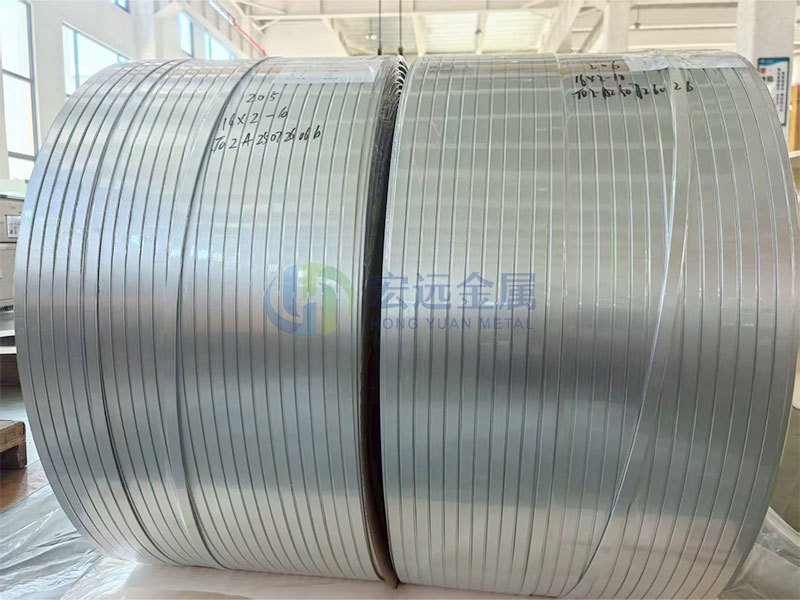
Microchannel flat tube coils are heat exchangers designed with multiple parallel channels or tubes, allowing for better airflow and heat exchange. Unlike traditional round tube coils, microchannel coils are characterized by their flat, thin profile, which enhances surface area and promotes efficient heat transfer. The design typically incorporates aluminum, which not only reduces weight but also improves corrosion resistance.
Design Features of Microchannel Coils
The design of microchannel coils includes several key features that set them apart from conventional coils:
- **Flat Tube Design**: The flat tubes increase the surface area, allowing more refrigerant to flow through and facilitating better heat exchange.
- **Multiple Passes**: Microchannel coils often have multiple passes, which enhances the efficiency of heat transfer by allowing refrigerant to flow back and forth through the coil.
- **Aluminum Construction**: The use of aluminum makes these coils lightweight and resistant to corrosion, extending their lifespan.
Advantages of Microchannel Flat Tube Coils
Microchannel flat tube coils offer several advantages over traditional coils, making them a popular choice in modern HVAC systems.
Improved Energy Efficiency
One of the most significant benefits of microchannel coils is their energy efficiency. The increased surface area leads to enhanced heat transfer, allowing HVAC systems to operate more efficiently. This improved efficiency translates into lower energy bills and reduced environmental impact.
Reduced Refrigerant Charge
Microchannel coils require less refrigerant than traditional coils, which is a critical factor in modern HVAC design. With the global push for environmentally friendly refrigerants, reducing refrigerant charge not only lowers costs but also minimizes the potential for leaks that could harm the environment.
Compact and Lightweight Design
The compact nature of microchannel coils allows for easier installation and integration into various HVAC systems. Their lightweight design reduces the structural load on buildings, making them suitable for a wide range of applications, from commercial to residential setups.
Enhanced Performance in Extreme Conditions
Microchannel coils are specifically designed to perform well in extreme environmental conditions. Their ability to handle higher pressures and temperatures makes them ideal for commercial applications where reliability is paramount.
Applications of Microchannel Flat Tube Coils in HVAC Systems
Microchannel flat tube coils find applications across various sectors, enhancing the performance of HVAC systems in multiple environments.
Commercial Buildings
In commercial buildings, microchannel coils are often used in chillers and rooftop units. Their energy efficiency helps reduce operational costs while providing ample cooling for large spaces.
Residential HVAC Systems
Homeowners benefit from microchannel coils in their air conditioning systems. The reduced footprint and weight make them suitable for residential applications while ensuring efficient climate control.
Industrial Applications
Industries requiring robust cooling solutions often utilize microchannel coils due to their ability to handle high loads and operate efficiently in demanding environments.
Energy Efficiency and Sustainability of Microchannel Coils
As the HVAC industry shifts towards sustainability, microchannel flat tube coils are leading the charge. Their ability to operate with lower energy consumption aligns with global sustainability goals.
Environmental Impact
By requiring a lower refrigerant charge and utilizing energy-efficient designs, microchannel coils contribute to reduced greenhouse gas emissions. This aligns with the increasing focus on eco-friendly technology in HVAC systems.
Long-Term Cost Savings
Investing in microchannel coils can lead to significant long-term savings. While the initial investment may be higher than traditional coils, the reduced energy consumption and lower maintenance costs lead to overall savings over the system’s lifespan.
Maintenance and Lifespan of Microchannel Flat Tube Coils
Understanding the maintenance needs of microchannel coils is crucial for maximizing their lifespan and performance.
Routine Maintenance Practices
Regular cleaning and inspection of microchannel coils are essential to maintain their efficiency. Debris accumulation can hinder airflow and reduce effectiveness.
Durability and Lifespan
Microchannel coils typically have a longer lifespan compared to traditional coils due to their robust design and corrosion-resistant materials. This durability translates into fewer replacements and lower long-term costs.
Future Trends in HVAC Technology
The HVAC industry is evolving, and microchannel flat tube coils are at the forefront of this transformation. Emerging trends include:
Smart HVAC Systems
Integrating smart technology with microchannel coils can enhance their efficiency and performance. Smart thermostats and sensors can optimize system operations based on real-time data.
Increased Focus on Sustainability
As regulatory pressures for sustainability increase, microchannel coils will play a crucial role in meeting energy efficiency standards and reducing environmental impact.
Frequently Asked Questions
1. What is the primary benefit of microchannel flat tube coils in HVAC systems?
The primary benefit is their improved energy efficiency, which leads to reduced operational costs and environmental impact.
2. How do microchannel coils compare to traditional round tube coils?
Microchannel coils are more compact, require less refrigerant, and provide better heat transfer efficiency compared to traditional round tube coils.
3. Are microchannel coils suitable for residential applications?
Yes, microchannel coils are increasingly used in residential HVAC systems due to their efficiency and compact design.
4. How often should microchannel coils be maintained?
Routine maintenance should be conducted at least once a year, including cleaning and inspections to ensure optimal performance.
5. What materials are used in microchannel coil construction?
Microchannel coils are primarily made from aluminum, which offers lightweight and corrosion-resistant properties.
Conclusion
Microchannel flat tube coils are revolutionizing HVAC systems with their innovative design, energy efficiency, and versatility. As we move towards a more sustainable future, the importance of these components will continue to grow. Investing in microchannel coils not only enhances system performance but also contributes to long-term savings and environmental responsibility. By understanding the multitude of benefits and applications of microchannel flat tube coils, industry professionals and homeowners alike can make informed decisions about their HVAC systems.
BLOGS
Understanding Microchannel Flat Tube Coils: The Future of HVAC Efficiency
Microchannel flat tube coils represent an innovative advancement in the design and functionality of HVAC systems, particularly in air conditioning, refrigeration, and ventilation equipment. These coils are comprised of flat tubes that are arranged in a compact configuration, offering several advantages over traditional round tube coils. One of the primary benefits is their enhanced heat transfer e

Microchannel Aluminum Flat Tubes: The Future of Lightweight Building Materials
Microchannel Aluminum Flat Tubes: The Future of Lightweight Building Materials Table of Contents 1. Introduction to Microchannel Aluminum Flat Tubes 2. What Are Microchannel Aluminum Flat Tubes? 3. Advantages of Microchannel Aluminum Flat Tubes 3.1 Lightweight Design 3.2 Thermal Efficiency 3.3 Corrosion Resistance 4. Applicatio

Understanding Oil Cooler Tubes: Essential Components for Efficient Performance
Oil cooler tubes play a crucial role in various applications, particularly within the construction and decorative materials sector. These components are essential for regulating the temperature of oil in machinery, ensuring optimal performance and longevity. Whether in heavy-duty equipment or smaller machines, understanding the function and importance of oil cooler tubes can greatly enhance operat

Maximizing Air Flow with Round Tubes for Air Coolers
Maximizing Air Flow with Round Tubes for Air Coolers Introduction to Air Flow in Cooling Systems In the realm of climate control, effective air flow is crucial. Air coolers rely on the movement of air to regulate temperatures, making the design of air ducts and tubes a significant factor in their performance. This article focuses on the advantages of using round tubes in air cooling systems, s

Understanding Coaxial Heat Exchanger Tubes: A Key Component in Modern Architecture
Coaxial heat exchanger tubes are innovative components designed to improve thermal efficiency in various systems. Unlike traditional heat exchangers, which often utilize a single pipe or tube for heat transfer, coaxial heat exchangers consist of one tube inside another, allowing for a more efficient transfer of heat. This design not only maximizes the surface area for heat exchange but also minimi

Preflux Coating: Enhancing the Performance of Flat Tubes in Construction
Introduction to Preflux Coating and Its Importance in Construction In the realm of construction, the materials used can significantly impact the overall quality and longevity of structures. One such material that has garnered attention is **flat tubes**, particularly those treated with **preflux coating**. This innovative technology not only enhances the performance of flat tubes but also plays a