
Exploring the Benefits of Microchannel Aluminum Flat Tubes for Construction: A Comprehensive Guide
Release time:
2026-01-13
Exploring the Benefits of Microchannel Aluminum Flat Tubes for Construction Table of Contents Introduction to Microchannel Aluminum Flat Tubes What Are Microchannel Aluminum Flat Tubes? Benefits of Microchannel Aluminum Flat Tubes Energy Efficiency Durability and Strength Lightweight Construction Corrosion Resistance
Exploring the Benefits of Microchannel Aluminum Flat Tubes for Construction
Table of Contents
- Introduction to Microchannel Aluminum Flat Tubes
- What Are Microchannel Aluminum Flat Tubes?
- Benefits of Microchannel Aluminum Flat Tubes
- Applications in Construction
- Sustainability and Environmental Impact
- Installation and Maintenance
- The Future of Microchannel Aluminum Flat Tubes in Construction
- Frequently Asked Questions
- Conclusion
Introduction to Microchannel Aluminum Flat Tubes
Microchannel aluminum flat tubes are an integral aspect of modern construction, offering unique advantages that cater to various engineering needs. Known for their efficient design, these tubes provide a viable solution that enhances performance while minimizing space. This article will explore the benefits of microchannel aluminum flat tubes, particularly in construction, emphasizing their importance in today's building materials landscape.
What Are Microchannel Aluminum Flat Tubes?
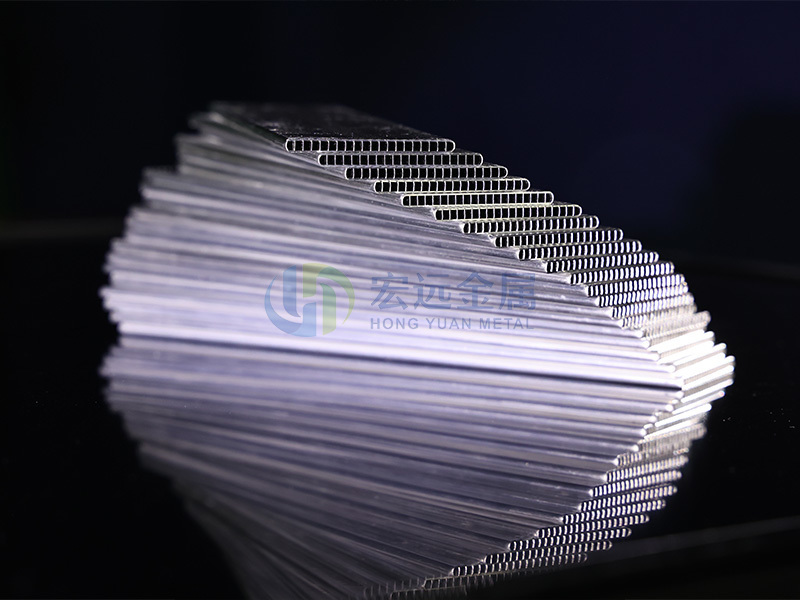
Microchannel aluminum flat tubes are specifically designed channels that facilitate the flow of refrigerants or fluids in various applications. Unlike traditional round tubes, microchannel tubes are flat and feature multiple parallel channels, which optimize heat transfer efficiency. This design minimizes the amount of refrigerant required while maintaining high performance, making it an attractive option for engineers and architects alike.
Benefits of Microchannel Aluminum Flat Tubes
Energy Efficiency
One of the primary advantages of microchannel aluminum flat tubes is their **energy efficiency**. Due to their optimized heat transfer capabilities, these tubes require less energy to operate HVAC systems, leading to significant operational cost reductions. This efficiency not only benefits building owners but also contributes to lower carbon footprints, aligning with global sustainability goals.
Durability and Strength
Microchannel aluminum flat tubes are renowned for their **durability and strength**. Made from high-quality aluminum, these tubes can withstand various environmental conditions, making them ideal for both indoor and outdoor applications. The inherent strength of aluminum allows these tubes to maintain structural integrity under stress, ensuring longevity and reliability in construction projects.
Lightweight Construction
Another significant benefit of microchannel aluminum flat tubes is their **lightweight nature**. Compared to traditional materials, aluminum offers high strength-to-weight ratios, allowing for easier handling and installation. This characteristic not only reduces labor costs but also minimizes the overall weight of construction assemblies, making them suitable for various structural applications.
Corrosion Resistance
Corrosion is a primary concern in construction, particularly for materials exposed to moisture and varying atmospheric conditions. Microchannel aluminum flat tubes exhibit excellent **corrosion resistance**, thanks to the protective oxide layer that forms naturally on aluminum surfaces. This property enhances their lifespan and reduces maintenance costs, making them a wise investment for construction projects.
Applications in Construction
HVAC Systems
Microchannel aluminum flat tubes are widely used in **HVAC systems** due to their superior heat exchange properties. By maximizing the surface area available for heat transfer, these tubes ensure that heating and cooling systems operate efficiently. This efficiency translates to lower energy consumption and improved indoor climate control, benefiting both occupants and building management.
Solar Collectors
In the realm of **solar technology**, microchannel aluminum flat tubes play a pivotal role. Their design allows for efficient transfer of heat, making them an ideal choice in solar collectors used for heating water and other fluids. This capability contributes to the overall effectiveness of solar energy systems, promoting renewable energy use in construction.
Refrigeration
Microchannel tubes are also extensively utilized in **refrigeration applications**. Their compact design allows for the efficient transfer of refrigerants, enhancing the functionality of refrigeration units in commercial and residential settings. By reducing the amount of refrigerant needed, these tubes contribute to more sustainable refrigeration practices.
Sustainability and Environmental Impact
The use of microchannel aluminum flat tubes aligns with sustainable construction practices. Their energy-efficient properties lead to reduced energy consumption, which ultimately minimizes greenhouse gas emissions. Moreover, aluminum is a highly recyclable material, further enhancing its sustainability profile. Incorporating these tubes into construction projects supports eco-friendly initiatives and helps meet regulatory requirements regarding environmental impact.
Installation and Maintenance
Installing microchannel aluminum flat tubes requires specialized knowledge, but the process is relatively straightforward for experienced professionals. Proper installation ensures optimal performance and longevity. Maintenance is minimal due to the corrosion-resistant properties of aluminum, but regular inspections can help identify any potential issues early on, ensuring the systems continue to operate efficiently.
The Future of Microchannel Aluminum Flat Tubes in Construction
As the construction industry evolves, the demand for innovative materials like microchannel aluminum flat tubes continues to rise. With advancements in technology, we anticipate further improvements in their design and performance. Future applications may include even more specialized uses in energy-efficient buildings, smart home technologies, and eco-friendly construction practices.
Frequently Asked Questions
1. What are the advantages of using microchannel aluminum flat tubes in HVAC systems?
Microchannel aluminum flat tubes provide superior heat transfer efficiency, leading to lower energy costs and improved climate control in HVAC systems.
2. How do microchannel aluminum flat tubes compare to traditional round tubes?
Microchannel tubes are lighter, more efficient, and require less refrigerant than traditional round tubes, making them a more sustainable option for construction.
3. Are microchannel aluminum flat tubes resistant to corrosion?
Yes, aluminum has natural corrosion resistance, which makes these tubes suitable for various environmental conditions without significant degradation.
4. Can microchannel aluminum flat tubes be recycled?
Absolutely. Aluminum is one of the most recycled materials globally, making microchannel tubes an environmentally friendly choice.
5. What is the expected lifespan of microchannel aluminum flat tubes?
With proper installation and minimal maintenance, microchannel aluminum flat tubes can last several decades, significantly contributing to the durability of construction projects.
Conclusion
Microchannel aluminum flat tubes represent a significant advancement in construction materials, offering unmatched energy efficiency, durability, and sustainability. Their versatile applications in HVAC systems, solar collectors, and refrigeration highlight their importance in modern building practices. As the construction industry moves towards more eco-friendly solutions, the adoption of microchannel aluminum flat tubes is expected to grow, paving the way for innovative and sustainable architectural designs. Embracing these materials can lead to enhanced building performance, reduced operational costs, and a positive environmental impact.
BLOGS

Understanding Oil Cooler Tubes: Essential Components for Efficient Performance
Oil cooler tubes play a crucial role in various applications, particularly within the construction and decorative materials sector. These components are essential for regulating the temperature of oil in machinery, ensuring optimal performance and longevity. Whether in heavy-duty equipment or smaller machines, understanding the function and importance of oil cooler tubes can greatly enhance operat

Maximizing Air Flow with Round Tubes for Air Coolers
Maximizing Air Flow with Round Tubes for Air Coolers Introduction to Air Flow in Cooling Systems In the realm of climate control, effective air flow is crucial. Air coolers rely on the movement of air to regulate temperatures, making the design of air ducts and tubes a significant factor in their performance. This article focuses on the advantages of using round tubes in air cooling systems, s

Understanding Coaxial Heat Exchanger Tubes: A Key Component in Modern Architecture
Coaxial heat exchanger tubes are innovative components designed to improve thermal efficiency in various systems. Unlike traditional heat exchangers, which often utilize a single pipe or tube for heat transfer, coaxial heat exchangers consist of one tube inside another, allowing for a more efficient transfer of heat. This design not only maximizes the surface area for heat exchange but also minimi

Preflux Coating: Enhancing the Performance of Flat Tubes in Construction
Introduction to Preflux Coating and Its Importance in Construction In the realm of construction, the materials used can significantly impact the overall quality and longevity of structures. One such material that has garnered attention is **flat tubes**, particularly those treated with **preflux coating**. This innovative technology not only enhances the performance of flat tubes but also plays a

Understanding Zn-Silflux Coating Flat Tubes: A Comprehensive Guide
Zn-Silflux coating flat tubes are specialized components often employed in various construction and decorative projects. These tubes are characterized by their unique Zn-Silflux coating, which enhances their performance and durability in diverse environments. The Zn-Silflux coating is primarily composed of zinc and a silicate flux, providing a robust layer that protects against corrosion and wear.

Innovative Applications of Microchannel Flat Tube Coils in Industrial Cooling
Innovative Applications of Microchannel Flat Tube Coils in Industrial Cooling Introduction to Microchannel Flat Tube Coils Microchannel flat tube coils are revolutionizing the way industrial cooling systems operate. These advanced components, designed with numerous parallel channels, facilitate efficient heat exchange while using less refrigerant. Their unique structure optimizes airflow and reduc