
The Role of Zn-Silflux Coating Flat Tubes in Modern Architecture
Release time:
2026-02-01
The Role of Zn-Silflux Coating Flat Tubes in Modern Architecture Table of Contents 1. Introduction to Zn-Silflux Coating Flat Tubes 2. What Are Zn-Silflux Coating Flat Tubes? 3. Advantages of Zn-Silflux Coating 4. Applications in Modern Architecture 5. Sustainability and Environmental Impact 6. Design Compatibility: Versatility of Flat Tubes 7. Future Trends in Buildin

The Role of Zn-Silflux Coating Flat Tubes in Modern Architecture
Table of Contents
- 1. Introduction to Zn-Silflux Coating Flat Tubes
- 2. What Are Zn-Silflux Coating Flat Tubes?
- 3. Advantages of Zn-Silflux Coating
- 4. Applications in Modern Architecture
- 5. Sustainability and Environmental Impact
- 6. Design Compatibility: Versatility of Flat Tubes
- 7. Future Trends in Building Materials
- 8. Conclusion
1. Introduction to Zn-Silflux Coating Flat Tubes
In the evolving landscape of modern architecture, materials that offer both functionality and aesthetic appeal are essential. Among these, **Zn-Silflux coating flat tubes** stand out for their unique properties and adaptability. This article explores the multifaceted role these tubes play in contemporary construction, highlighting their **benefits**, **applications**, and **sustainability**.
2. What Are Zn-Silflux Coating Flat Tubes?
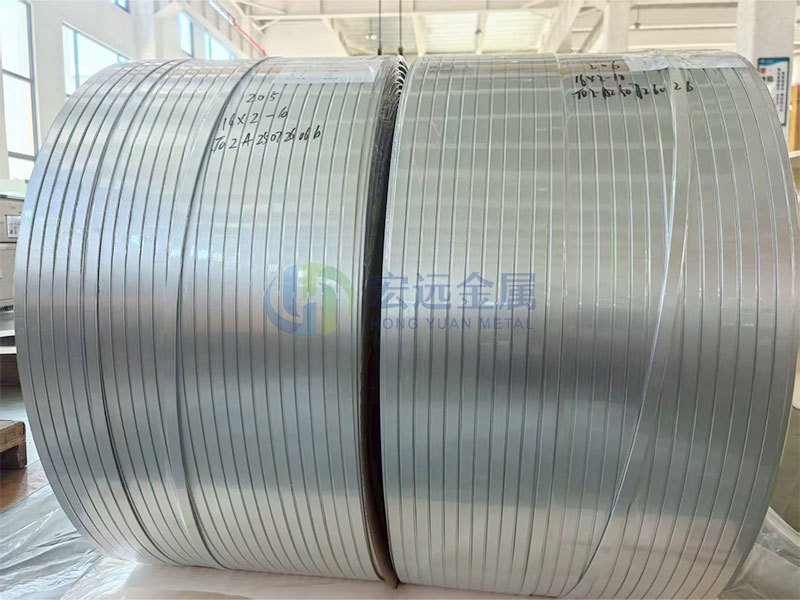
Zn-Silflux coating flat tubes are specialized metal tubes coated with a unique blend of zinc and a silicate flux. This coating provides several critical benefits that enhance the metal's performance in architectural applications. These tubes are engineered to resist **corrosion**, **wear**, and **physical stress**, making them ideal for various structural uses.
2.1 Composition and Properties
The primary constituents of Zn-Silflux coated tubes include:
- **Zinc**: Provides a protective layer against corrosion.
- **Silicate Flux**: Enhances adhesion and durability while allowing for improved welding characteristics.
These elements work together to create a tube that is not only robust but also lightweight, making it an excellent choice for modern architectural designs.
3. Advantages of Zn-Silflux Coating
**Zn-Silflux coating flat tubes** offer numerous advantages over traditional materials. Their unique properties contribute to their growing popularity in modern architecture.
3.1 Enhanced Durability
One of the most significant benefits of Zn-Silflux coated tubes is their **enhanced durability**. The zinc coating acts as a sacrificial anode, protecting the underlying metal from oxidation and corrosion. This longevity translates to lower maintenance costs and reduced need for replacements over time.
3.2 Cost-Effectiveness
Although the initial investment in Zn-Silflux coated flat tubes may be higher than some alternatives, their longevity and low maintenance requirements often result in lower total lifecycle costs. This quality makes them a financially sound decision for building projects.
3.3 Aesthetic Flexibility
The versatility of Zn-Silflux coating allows these tubes to be finished in various colors and textures, providing architects and designers with a **wide range of aesthetic options**. This flexibility helps architects achieve unique visual styles while maintaining structural integrity.
4. Applications in Modern Architecture
Zn-Silflux coating flat tubes find applications across many sectors of modern architecture, ranging from residential buildings to commercial spaces.
4.1 Structural Applications
Due to their strength and resilience, these tubes are often used in structural applications, including:
- **Frameworks**: Providing the backbone for modern buildings.
- **Bracing Systems**: Offering stability in earthquake-prone areas.
4.2 Decorative Elements
Beyond structural functions, Zn-Silflux coated tubes serve as decorative features, with applications in:
- **Railings and Balustrades**: Combining safety with style.
- **Architectural Facades**: Adding visual interest and character to building exteriors.
5. Sustainability and Environmental Impact
Sustainability is a pressing concern in modern architecture, and Zn-Silflux coated flat tubes contribute positively to this goal.
5.1 Recyclability
These tubes are fully recyclable, minimizing waste and allowing for a circular economy in building materials. The ability to reuse materials reduces the demand for new resources, aligning with sustainable construction practices.
5.2 Energy Efficiency
Incorporating Zn-Silflux coated tubes into building designs can lead to improved energy efficiency. Their durability reduces the need for frequent replacements, ultimately leading to less energy spent on manufacturing and transportation.
6. Design Compatibility: Versatility of Flat Tubes
The versatility of Zn-Silflux coating flat tubes makes them compatible with various architectural styles.
6.1 Compatibility with Other Materials
These tubes can be seamlessly integrated with other materials, such as glass, wood, and concrete. This adaptability allows architects to **create harmonious designs** that balance aesthetics and functionality.
6.2 Innovative Architectural Designs
The lightweight nature of Zn-Silflux coated tubes encourages architects to experiment with innovative designs, enabling the construction of **complex shapes and structures** that were once challenging to achieve.
7. Future Trends in Building Materials
As the architectural landscape continues to evolve, the demand for sustainable and durable materials will only increase. Zn-Silflux coated tubes are well-positioned to lead the way in this transformation.
7.1 Advances in Coating Technology
Ongoing advancements in coating technology promise to enhance the performance of Zn-Silflux coatings, leading to even more durable and effective materials for architectural application.
7.2 Growing Emphasis on Sustainable Practices
With a growing emphasis on sustainability, the architectural community is increasingly turning to materials like Zn-Silflux coated tubes that not only meet performance standards but also align with environmental goals.
8. Conclusion
Zn-Silflux coating flat tubes represent a significant advancement in building materials, combining durability, aesthetic flexibility, and sustainability. As modern architecture continues to evolve, these tubes will play an essential role in shaping the future of construction. Their unique properties and applications make them a preferred choice for architects and builders looking to create innovative, long-lasting structures. By investing in Zn-Silflux coated flat tubes, modern architecture can embrace both form and function, paving the way for a more sustainable and visually striking future.
FAQs
What is the main benefit of Zn-Silflux coating?
Zn-Silflux coating provides enhanced corrosion resistance and durability, making it an excellent choice for architectural applications.
Can Zn-Silflux coated flat tubes be used in residential construction?
Yes, they are versatile and can be effectively used in both residential and commercial buildings.
Are Zn-Silflux coated tubes environmentally friendly?
Yes, they are fully recyclable and contribute to sustainable building practices.
How do Zn-Silflux coated tubes compare to traditional materials?
They offer superior durability, lower maintenance costs, and greater aesthetic flexibility compared to many traditional materials.
What future trends are expected for Zn-Silflux coated tubes?
Expect advancements in coating technology and a growing emphasis on sustainability in their applications.
BLOGS
Understanding Microchannel Flat Tube Coils: The Future of HVAC Efficiency
Microchannel flat tube coils represent an innovative advancement in the design and functionality of HVAC systems, particularly in air conditioning, refrigeration, and ventilation equipment. These coils are comprised of flat tubes that are arranged in a compact configuration, offering several advantages over traditional round tube coils. One of the primary benefits is their enhanced heat transfer e

Microchannel Aluminum Flat Tubes: The Future of Lightweight Building Materials
Microchannel Aluminum Flat Tubes: The Future of Lightweight Building Materials Table of Contents 1. Introduction to Microchannel Aluminum Flat Tubes 2. What Are Microchannel Aluminum Flat Tubes? 3. Advantages of Microchannel Aluminum Flat Tubes 3.1 Lightweight Design 3.2 Thermal Efficiency 3.3 Corrosion Resistance 4. Applicatio

Understanding Oil Cooler Tubes: Essential Components for Efficient Performance
Oil cooler tubes play a crucial role in various applications, particularly within the construction and decorative materials sector. These components are essential for regulating the temperature of oil in machinery, ensuring optimal performance and longevity. Whether in heavy-duty equipment or smaller machines, understanding the function and importance of oil cooler tubes can greatly enhance operat

Maximizing Air Flow with Round Tubes for Air Coolers
Maximizing Air Flow with Round Tubes for Air Coolers Introduction to Air Flow in Cooling Systems In the realm of climate control, effective air flow is crucial. Air coolers rely on the movement of air to regulate temperatures, making the design of air ducts and tubes a significant factor in their performance. This article focuses on the advantages of using round tubes in air cooling systems, s

Understanding Coaxial Heat Exchanger Tubes: A Key Component in Modern Architecture
Coaxial heat exchanger tubes are innovative components designed to improve thermal efficiency in various systems. Unlike traditional heat exchangers, which often utilize a single pipe or tube for heat transfer, coaxial heat exchangers consist of one tube inside another, allowing for a more efficient transfer of heat. This design not only maximizes the surface area for heat exchange but also minimi

Preflux Coating: Enhancing the Performance of Flat Tubes in Construction
Introduction to Preflux Coating and Its Importance in Construction In the realm of construction, the materials used can significantly impact the overall quality and longevity of structures. One such material that has garnered attention is **flat tubes**, particularly those treated with **preflux coating**. This innovative technology not only enhances the performance of flat tubes but also plays a