
Innovative Uses of Microchannel Aluminum Flat Tubes in Decorative Architecture
Release time:
2026-02-13
Innovative Uses of Microchannel Aluminum Flat Tubes in Decorative Architecture Table of Contents 1. Introduction to Microchannel Aluminum Flat Tubes 2. What Are Microchannel Aluminum Flat Tubes? 3. Advantages of Microchannel Aluminum Flat Tubes in Architecture 4. Applications in Decorative Architecture 4.1 Facade Designs 4.2 Interior Design Element
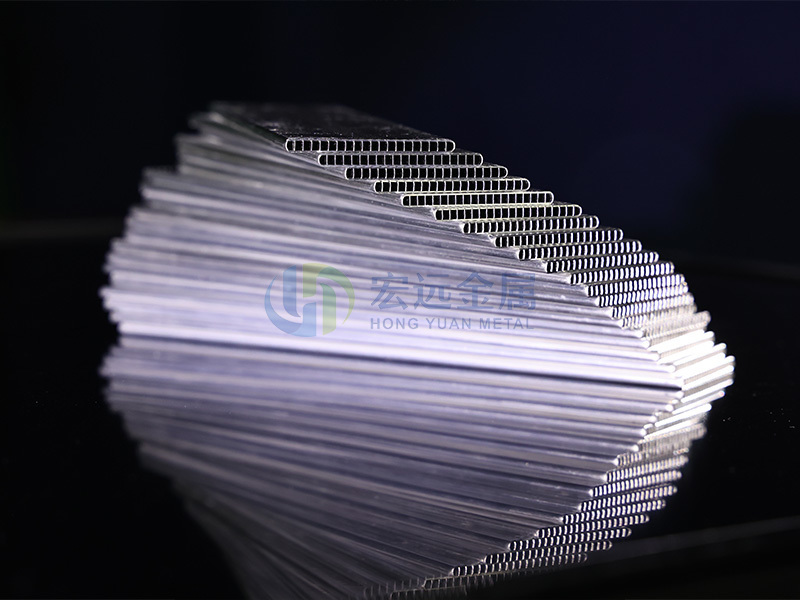
Innovative Uses of Microchannel Aluminum Flat Tubes in Decorative Architecture
Table of Contents
- 1. Introduction to Microchannel Aluminum Flat Tubes
- 2. What Are Microchannel Aluminum Flat Tubes?
- 3. Advantages of Microchannel Aluminum Flat Tubes in Architecture
- 4. Applications in Decorative Architecture
- 5. Sustainability and Eco-Friendliness of Microchannel Tubes
- 6. Design Considerations for Architects
- 7. Case Studies of Innovative Uses
- 8. Future Trends in Decorative Architecture
- 9. Frequently Asked Questions
- 10. Conclusion
1. Introduction to Microchannel Aluminum Flat Tubes
In the ever-evolving field of architecture, the use of innovative materials plays a critical role in enhancing both aesthetic appeal and functionality. Among these materials, **microchannel aluminum flat tubes** have emerged as a revolutionary component in decorative architecture. Their unique design not only allows for efficient fluid and gas flow but also lends itself to various decorative applications that can elevate the visual aspects of structures.
2. What Are Microchannel Aluminum Flat Tubes?
Microchannel aluminum flat tubes are specialized tubes designed with a series of microchannels that significantly improve heat transfer efficiency and reduce weight. These tubes are typically constructed from aluminum due to its lightweight nature, resistance to corrosion, and recyclability. With their flat structure and intricate channeling, these tubes can be integrated seamlessly into various architectural designs, providing both **aesthetic and functional advantages**.
3. Advantages of Microchannel Aluminum Flat Tubes in Architecture
The architectural industry is increasingly turning to microchannel aluminum flat tubes for several reasons:
- **Enhanced Heat Transfer:** The microchannel design allows for superior thermal performance, making it ideal for HVAC applications and energy-efficient building designs.
- **Lightweight Construction:** Their lightweight nature reduces the overall load on building structures, allowing for more innovative design possibilities.
- **Versatile Aesthetics:** Aluminum can be finished in various ways, allowing architects to create stunning visual effects without compromising functionality.
- **Durability:** Aluminum’s natural resistance to corrosion ensures longevity, making these tubes suitable for both indoor and outdoor applications.
4. Applications in Decorative Architecture
Microchannel aluminum flat tubes are versatile in their application across various aspects of decorative architecture. Here are some key areas where they shine:
4.1 Facade Designs
**Facade designs** have a significant impact on the overall appearance of a building. By using microchannel aluminum flat tubes, architects can create unique building facades that are not only visually striking but also functionally superior. The tubes can be arranged in various patterns and orientations, allowing for creative designs that enhance natural light while providing ventilation.
4.2 Interior Design Elements
Microchannel tubes can also redefine interior spaces. They can be utilized in **partition walls**, ceiling designs, and as aesthetic accents in furniture. Their adaptability allows for a seamless integration into various interior styles, from modern minimalism to industrial chic, adding depth and texture to spaces.
4.3 Innovative Lighting Fixtures
Incorporating microchannel aluminum flat tubes into **lighting fixtures** opens up new avenues for artistic expression. These tubes can be designed to house LED elements, creating sleek, modern lighting solutions that are energy-efficient and visually appealing. The ability to manipulate light using these tubes can result in stunning visual displays that enhance the ambiance of any space.
5. Sustainability and Eco-Friendliness of Microchannel Tubes
As sustainability becomes a top priority in construction and design, microchannel aluminum flat tubes stand out as an **eco-friendly option**. Aluminum is highly recyclable, and the manufacturing process of these tubes typically consumes less energy than traditional materials. Using these tubes supports sustainable architecture by decreasing the carbon footprint and promoting energy efficiency.
6. Design Considerations for Architects
While the advantages of microchannel aluminum flat tubes are evident, architects must consider several factors when integrating them into designs:
- **Thermal Properties:** Understanding the thermal performance of the tubes is crucial for their use in HVAC and energy-efficient applications.
- **Aesthetic Integration:** Careful consideration must be given to how these tubes will visually interact with other materials used in the project.
- **Structural Impact:** Architects should evaluate the weight and load-bearing characteristics of the tubes to ensure safety and compliance with building codes.
7. Case Studies of Innovative Uses
Exploring real-world applications of microchannel aluminum flat tubes can provide inspiration for architects and designers:
- **The XYZ Building:** This innovative structure utilizes microchannel tubes in its facade, allowing for natural ventilation while enhancing the aesthetic appeal with a unique geometric design.
- **Urban Park Pavilion:** A public space that uses microchannel aluminum flat tubes to create a visually striking roof structure, showcasing the material’s flexibility and potential for artistic design.
8. Future Trends in Decorative Architecture
As technology continues to advance, we can expect further innovations in the use of microchannel aluminum flat tubes. Future trends may include:
- **Smart Architecture:** Integration with smart technology for automated climate control and lighting systems.
- **Hybrid Materials:** Combining microchannel tubes with other eco-friendly materials to enhance sustainability.
- **Parametric Design:** Utilizing advanced software for complex geometrical forms that challenge conventional architectural boundaries.
9. Frequently Asked Questions
**Q1: What are microchannel aluminum flat tubes used for in architecture?**
A1: They are used for various applications including facade designs, interior elements, and lighting fixtures due to their lightweight and aesthetic appeal.
**Q2: Are microchannel aluminum flat tubes eco-friendly?**
A2: Yes, aluminum is recyclable and the production process can be energy efficient, making it a sustainable choice for architecture.
**Q3: How do microchannel flat tubes improve energy efficiency?**
A3: Their design allows for superior heat transfer, making them ideal for HVAC systems in energy-efficient buildings.
**Q4: Can these tubes be customized for specific designs?**
A4: Yes, architects can manipulate the arrangement and finish of the tubes to suit various aesthetic requirements.
**Q5: What are the structural considerations when using microchannel tubes?**
A5: Architects must assess the weight and load-bearing impact of the tubes to ensure safety and compliance with building codes.
10. Conclusion
Microchannel aluminum flat tubes represent a significant advancement in the realm of decorative architecture. Their unique properties combine functionality with aesthetic versatility, allowing architects to push the boundaries of design while remaining committed to sustainability. As the industry continues to evolve, the innovative uses of these tubes will undoubtedly shape the future of architecture, offering both beauty and efficiency in modern constructions. Embracing microchannel technology not only enriches architectural creativity but also paves the way for a more sustainable future in building practices.
BLOGS
Understanding Microchannel Flat Tube Coils: The Future of HVAC Efficiency
Microchannel flat tube coils represent an innovative advancement in the design and functionality of HVAC systems, particularly in air conditioning, refrigeration, and ventilation equipment. These coils are comprised of flat tubes that are arranged in a compact configuration, offering several advantages over traditional round tube coils. One of the primary benefits is their enhanced heat transfer e

Microchannel Aluminum Flat Tubes: The Future of Lightweight Building Materials
Microchannel Aluminum Flat Tubes: The Future of Lightweight Building Materials Table of Contents 1. Introduction to Microchannel Aluminum Flat Tubes 2. What Are Microchannel Aluminum Flat Tubes? 3. Advantages of Microchannel Aluminum Flat Tubes 3.1 Lightweight Design 3.2 Thermal Efficiency 3.3 Corrosion Resistance 4. Applicatio

Understanding Oil Cooler Tubes: Essential Components for Efficient Performance
Oil cooler tubes play a crucial role in various applications, particularly within the construction and decorative materials sector. These components are essential for regulating the temperature of oil in machinery, ensuring optimal performance and longevity. Whether in heavy-duty equipment or smaller machines, understanding the function and importance of oil cooler tubes can greatly enhance operat

Maximizing Air Flow with Round Tubes for Air Coolers
Maximizing Air Flow with Round Tubes for Air Coolers Introduction to Air Flow in Cooling Systems In the realm of climate control, effective air flow is crucial. Air coolers rely on the movement of air to regulate temperatures, making the design of air ducts and tubes a significant factor in their performance. This article focuses on the advantages of using round tubes in air cooling systems, s

Understanding Coaxial Heat Exchanger Tubes: A Key Component in Modern Architecture
Coaxial heat exchanger tubes are innovative components designed to improve thermal efficiency in various systems. Unlike traditional heat exchangers, which often utilize a single pipe or tube for heat transfer, coaxial heat exchangers consist of one tube inside another, allowing for a more efficient transfer of heat. This design not only maximizes the surface area for heat exchange but also minimi

Preflux Coating: Enhancing the Performance of Flat Tubes in Construction
Introduction to Preflux Coating and Its Importance in Construction In the realm of construction, the materials used can significantly impact the overall quality and longevity of structures. One such material that has garnered attention is **flat tubes**, particularly those treated with **preflux coating**. This innovative technology not only enhances the performance of flat tubes but also plays a