Overcoming Common Hydraulic System Challenges with Multi-Port Extrusion Tubes
Release time:
2026-02-19
Introduction: Understanding Hydraulic Systems In the world of industrial machinery, **hydraulic systems** serve as the backbone for many applications. These systems utilize pressurized fluid to transmit energy and power various components, ranging from construction equipment to manufacturing machines. However, despite their prevalent use, hydraulic systems often encounter numerous challenges that

Introduction: Understanding Hydraulic Systems
In the world of industrial machinery, **hydraulic systems** serve as the backbone for many applications. These systems utilize pressurized fluid to transmit energy and power various components, ranging from construction equipment to manufacturing machines. However, despite their prevalent use, hydraulic systems often encounter numerous challenges that can compromise performance. In this article, we will explore the common challenges faced by hydraulic systems and delve into how **Multi-Port Extrusion Tubes** can effectively address these issues.
Table of Contents
1. Common Challenges in Hydraulic Systems
- 1.1 Leakage Issues and Their Impact
- 1.2 Pressure Drop Problems
- 1.3 Space Constraints in Design
- 1.4 Heat Management Concerns
2. Introduction to Multi-Port Extrusion Tubes
- 2.1 Design and Functionality of Multi-Port Tubes
- 2.2 Benefits of Multi-Port Extrusion Tubes
3. How Multi-Port Extrusion Tubes Solve Hydraulic Challenges
- 3.1 Mitigating Leakage Issues
- 3.2 Optimizing Pressure and Flow
- 3.3 Space-Saving Solutions
- 3.4 Heat Management Solutions
4. Conclusion
5. Frequently Asked Questions (FAQs)
Common Challenges in Hydraulic Systems
Hydraulic systems are highly efficient, yet they can experience various operational challenges. Understanding these challenges is crucial for optimizing system performance.
Leakage Issues and Their Impact
One of the most prevalent issues in hydraulic systems is **leakage**. When hydraulic fluid leaks from hoses, fittings, or seals, it can lead to **reduced efficiency** and potentially catastrophic failures. Leakage not only compromises the system's performance but also poses environmental hazards and increases operational costs due to fluid loss. Addressing leakage is essential for maintaining system integrity.
Pressure Drop Problems
Another common challenge is the occurrence of **pressure drops** within the hydraulic system. These pressure drops can arise from various factors, including **restrictive tubing**, misaligned components, or faulty valves. A significant pressure drop can lead to insufficient power delivery, adversely affecting machine performance and productivity. Identifying and mitigating the causes of pressure drops is vital for optimal system operation.
Space Constraints in Design
In many industrial applications, **space constraints** present a significant challenge. Hydraulic systems often require multiple components, including pumps, valves, and hoses, which can take up considerable space. In compact machinery or tightly designed workspaces, finding room for these components can be a struggle. Efficient design solutions are essential to maximize system functionality while minimizing spatial impact.
Heat Management Concerns
Heat generation is an inherent characteristic of hydraulic systems. However, excessive heat can lead to fluid degradation, component wear, and overall system inefficiency. Effective **heat management** is crucial for maintaining optimal operating conditions and extending the life of hydraulic components. Solutions to manage heat effectively can prevent costly downtimes and enhance reliability.
Introduction to Multi-Port Extrusion Tubes
As the industry evolves, innovative solutions like **Multi-Port Extrusion Tubes** have emerged to address common hydraulic challenges. These tubes offer unique design advantages that enhance system performance and reliability.
Design and Functionality of Multi-Port Tubes
Multi-Port Extrusion Tubes are designed with multiple ports, allowing for efficient fluid transfer and distribution. Typically made from high-strength materials, these tubes offer durability and resistance to wear. Their design enables fluid to flow through several pathways simultaneously, optimizing performance and reducing potential pressure drops. This functionality makes Multi-Port Tubes an essential component in modern hydraulic systems.
Benefits of Multi-Port Extrusion Tubes
The adoption of Multi-Port Extrusion Tubes in hydraulic systems comes with several notable benefits, including:
- **Improved Flow Efficiency**: With multiple ports facilitating fluid passage, these tubes enhance overall flow efficiency, reducing resistance and pressure drops.
- **Space Optimization**: Their design allows for compact installations, accommodating tight spaces without compromising system capabilities.
- **Reduced Leakage**: By minimizing joints and connections, the likelihood of leakage is significantly reduced, promoting operational reliability.
- **Enhanced Heat Dissipation**: The design aids in better heat distribution, contributing to effective heat management within the hydraulic system.
How Multi-Port Extrusion Tubes Solve Hydraulic Challenges
Multi-Port Extrusion Tubes tackle the most pressing challenges faced in hydraulic systems, providing effective solutions.
Mitigating Leakage Issues
By reducing the number of joints and connections, Multi-Port Extrusion Tubes significantly mitigate the risk of **leakage**. Their integration into hydraulic systems fosters a more sealed environment where hydraulic fluid is contained efficiently, thus preventing losses and enhancing system performance.
Optimizing Pressure and Flow
Multi-Port Tubes facilitate optimal fluid distribution, ensuring that pressure is uniformly distributed across multiple pathways. This capability ensures that hydraulic machinery receives the necessary power without the adverse effects associated with pressure drops, thus enhancing productivity and performance.
Space-Saving Solutions
The compact design of Multi-Port Extrusion Tubes allows for **space-saving** installations. This adaptability is particularly beneficial in environments with limited space, enabling manufacturers to incorporate sophisticated hydraulic systems without sacrificing functionality.
Heat Management Solutions
With improved fluid flow and distribution capabilities, Multi-Port Tubes also contribute to effective **heat management**. By facilitating better circulation of hydraulic fluid, these tubes help maintain optimal operating temperatures, thus prolonging the lifespan of hydraulic components and ensuring reliable operation.
Conclusion
Hydraulic systems are essential to industrial processes, yet they often face challenges that can impede performance. By understanding these challenges, such as leakage, pressure drops, space constraints, and heat management issues, industries can take proactive measures to enhance operational efficiency. **Multi-Port Extrusion Tubes** offer an innovative solution to these challenges, providing significant benefits in terms of efficiency, durability, and design flexibility. Integrating these tubes into hydraulic systems not only mitigates common issues but also paves the way for enhanced productivity and reliability in various industrial applications.
Frequently Asked Questions (FAQs)
1. What are Multi-Port Extrusion Tubes?
Multi-Port Extrusion Tubes are specially designed tubes used in hydraulic systems, featuring multiple ports that facilitate efficient fluid transfer and distribute hydraulic pressure effectively.
2. How do Multi-Port Tubes reduce leakage?
By minimizing the number of joints and connections in the system, Multi-Port Tubes significantly decrease the likelihood of fluid leakage, enhancing overall system reliability.
3. Can Multi-Port Tubes improve heat management?
Yes, the design of Multi-Port Tubes allows for better fluid circulation, helping to dissipate heat more effectively and maintain optimal operating temperatures within hydraulic systems.
4. Are Multi-Port Tubes suitable for tight spaces?
Absolutely! Multi-Port Extrusion Tubes are designed to be compact, making them ideal for installation in machinery or environments with limited space.
5. What industries can benefit from Multi-Port Extrusion Tubes?
Multi-Port Extrusion Tubes are beneficial across various industries, including construction, manufacturing, automotive, and aerospace, where hydraulic systems are commonly used.
By leveraging the insights presented in this article, industries can make informed decisions on optimizing their hydraulic systems and overcoming common challenges effectively.
BLOGS

Top Applications for Zn-Silflux Coating Flat Tubes in Building Materials
Top Applications for Zn-Silflux Coating Flat Tubes in Building Materials Introduction to Zn-Silflux Coating Flat Tubes Zn-Silflux coating flat tubes present a revolutionary advancement in the construction and building materials sector. With their unique properties, these tubes are crafted to meet the rigorous demands of modern construction while ensuring durability and reliability. They offer

Understanding the Importance of Coaxial Heat Exchanger Tubes in Building Materials
Coaxial heat exchanger tubes are essential components in various applications, particularly in the construction and decorative materials industry. Their unique design allows for efficient thermal energy transfer between two fluids, making them a popular choice for heating and cooling systems. Understanding the functionality and advantages of these tubes can significantly enhance the performance an
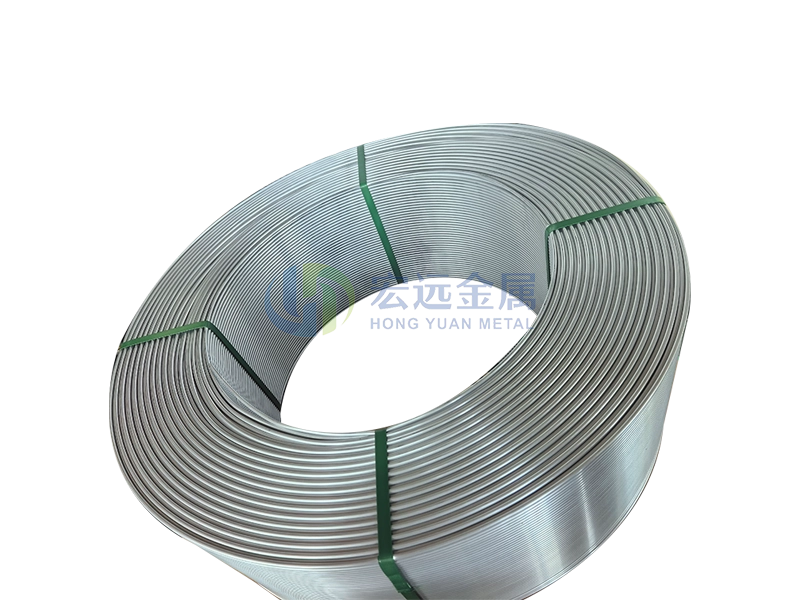
Innovative Applications of Aluminum Round Tube Coils in Industrial Ventilation
Innovative Applications of Aluminum Round Tube Coils in Industrial Ventilation Table of Contents 1. Introduction to Aluminum Round Tube Coils 2. Key Benefits of Aluminum Round Tube Coils 3. Innovative Applications in Industrial Ventilation 4. Design Considerations for Optimal Performance 5. Enhancing Energy Efficiency with Aluminum Coils 6. Maintenance and Longevity of Alu
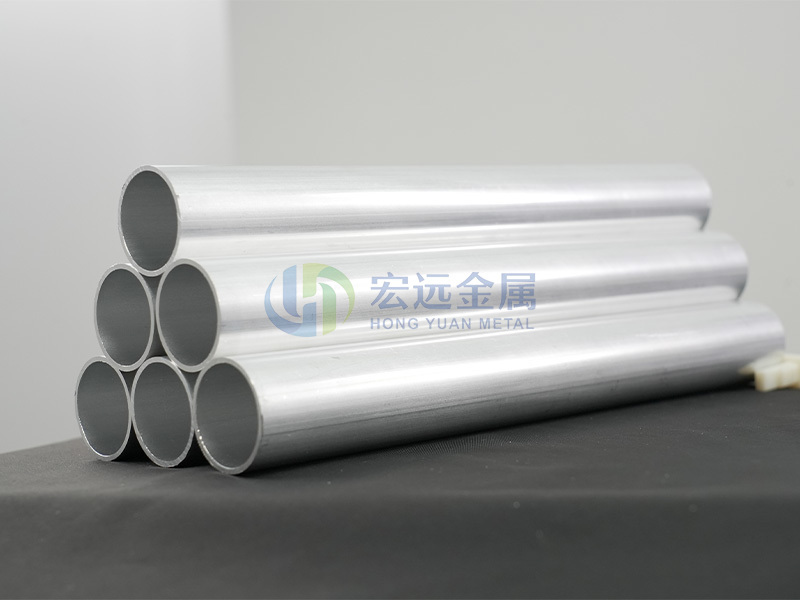
Enhancing Air Cooler Efficiency with Round Tubes: A Comprehensive Guide
In contemporary building and air conditioning design, the selection of materials plays a crucial role in the efficiency and effectiveness of systems such as air coolers. Among the various options available, round tubes, particularly those made from galvanized steel, have emerged as a preferred choice. This article delves into the characteristics and advantages of round tubes for air cooler applica
Overcoming Common Hydraulic System Challenges with Multi-Port Extrusion Tubes
Introduction: Understanding Hydraulic Systems In the world of industrial machinery, **hydraulic systems** serve as the backbone for many applications. These systems utilize pressurized fluid to transmit energy and power various components, ranging from construction equipment to manufacturing machines. However, despite their prevalent use, hydraulic systems often encounter numerous challenges that

Optimizing Battery Cooling with Wide MPE Tubes: An Innovative Approach
In the evolving landscape of battery technology, particularly in electric vehicles and renewable energy storage, effective cooling is paramount for maintaining optimal performance and prolonging battery life. One innovative solution in this realm is the use of Wide MPE tubes for battery cooling. MPE, or Modified Polyethylene, is a material known for its excellent thermal conductivity and flexibili