
Microchannel Flat Tube Coils: The Future of Compact Heat Exchangers
Release time:
2026-03-09
Microchannel Flat Tube Coils: The Future of Compact Heat Exchangers Table of Contents 1. Introduction to Microchannel Flat Tube Coils 2. Understanding Heat Exchangers 3. Advantages of Microchannel Flat Tube Coils 3.1 Improved Efficiency 3.2 Space-Saving Design 3.3 Enhanced Durability 4. Applications of Microchannel Coils in HVAC Systems 4.1 Commercial HVAC 4.2 Residential Applications 5. Comparing

Microchannel Flat Tube Coils: The Future of Compact Heat Exchangers
Table of Contents
1. Introduction to Microchannel Flat Tube Coils
2. Understanding Heat Exchangers
3. Advantages of Microchannel Flat Tube Coils
3.1 Improved Efficiency
3.2 Space-Saving Design
3.3 Enhanced Durability
4. Applications of Microchannel Coils in HVAC Systems
4.1 Commercial HVAC
4.2 Residential Applications
5. Comparing Microchannel and Traditional Heat Exchangers
6. Technical Specifications and Design Considerations
7. Future Trends in Microchannel Technology
8. FAQs about Microchannel Flat Tube Coils
9. Conclusion
1. Introduction to Microchannel Flat Tube Coils
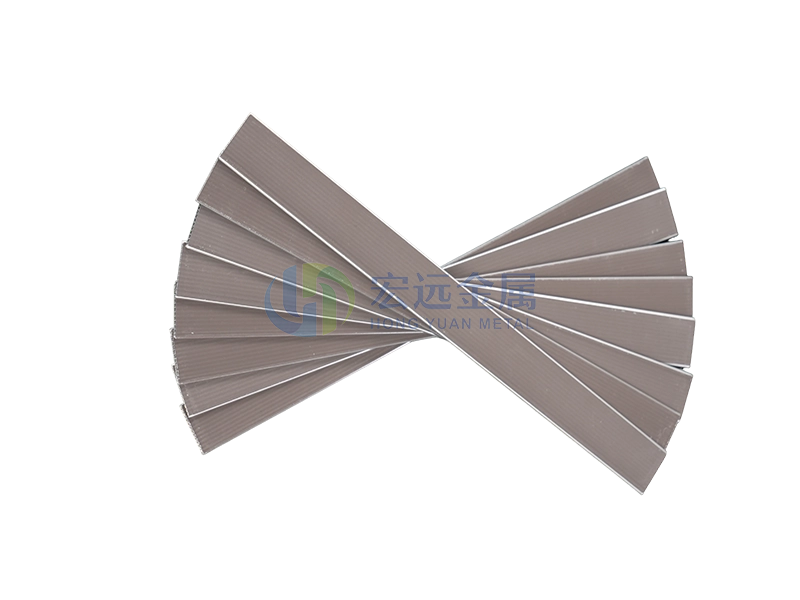
Microchannel flat tube coils represent a significant advancement in the field of heat exchangers. These innovative systems are designed to enhance heat exchange efficiency while minimizing physical space requirements. By utilizing a unique flat tube design, microchannel coils allow for greater surface area exposure to the fluid, leading to improved thermal performance. This article explores the various aspects of microchannel flat tube coils, their advantages, applications, and future trends in the industry.
2. Understanding Heat Exchangers
Heat exchangers are critical components in numerous industrial applications, facilitating the transfer of heat between two or more fluids. They are widely used in HVAC systems, refrigeration units, and industrial processes. The efficiency of heat exchangers is paramount, as it directly impacts energy consumption and operational costs. Traditional heat exchangers often utilize finned-tube designs, which can be bulkier and less efficient compared to their microchannel counterparts.
3. Advantages of Microchannel Flat Tube Coils
Microchannel flat tube coils offer a multitude of benefits that set them apart from traditional heat exchangers.
3.1 Improved Efficiency
Through their unique design, microchannel flat tube coils achieve higher heat transfer coefficients. The increased surface area allows for better heat dissipation, leading to enhanced overall efficiency. This improved efficiency translates to lower energy consumption and reduced operational costs.
3.2 Space-Saving Design
One of the most significant advantages of microchannel flat tube coils is their compact size. These coils require less space than traditional heat exchangers, making them ideal for applications with limited installation space. Their slim profile allows for easier integration into existing systems, providing flexibility in design and layout.
3.3 Enhanced Durability
Microchannel technology is designed to withstand harsh environmental conditions. The use of high-quality materials ensures that these coils have a longer lifespan than traditional heat exchangers. Additionally, microchannel flat tube coils are less prone to corrosion, which further enhances their durability and reliability.
4. Applications of Microchannel Coils in HVAC Systems
Microchannel flat tube coils are utilized in various HVAC applications, showcasing their versatility and effectiveness.
4.1 Commercial HVAC
In commercial settings, microchannel coils are particularly beneficial due to their efficiency and compact design. They are commonly used in chiller units, air conditioning systems, and heat pumps, where space and energy efficiency are crucial.
4.2 Residential Applications
For residential HVAC systems, microchannel flat tube coils provide homeowners with cost-effective and energy-efficient heating and cooling solutions. Their ability to deliver consistent airflow while consuming less energy makes them an appealing choice for modern homes.
5. Comparing Microchannel and Traditional Heat Exchangers
When evaluating microchannel flat tube coils against traditional heat exchangers, several key differences come to light:
- **Size and Weight**: Microchannel coils are significantly lighter and more compact, making them easier to handle and install.
- **Efficiency**: The heat transfer efficiency of microchannel coils is superior, leading to better overall performance.
- **Maintenance**: Microchannel coils often require less maintenance due to their design, reducing downtime and service costs.
This comparison highlights the advantages of microchannel technology and its suitability for a wide range of applications.
6. Technical Specifications and Design Considerations
When designing microchannel flat tube coils, several technical specifications need to be taken into account:
- **Material Selection**: The choice of materials impacts the coil's performance and lifespan. Copper and aluminum are common choices due to their excellent thermal conductivity.
- **Fin Design**: Optimizing the fin design can enhance heat transfer efficiency, contributing to overall performance.
- **Fluid Dynamics**: Understanding the fluid flow within the coil is crucial for effective heat exchange. Customized designs can help optimize flow patterns.
These specifications are critical for ensuring that microchannel flat tube coils meet the demands of various applications.
7. Future Trends in Microchannel Technology
As the demand for energy-efficient systems continues to grow, the microchannel technology landscape is evolving. Key trends shaping the future of microchannel flat tube coils include:
- **Increased Integration with Smart Technologies**: The incorporation of IoT and smart sensors into microchannel systems can enhance monitoring and control, leading to even greater efficiency.
- **Sustainability Initiatives**: With a focus on eco-friendly solutions, manufacturers are exploring alternative materials and refrigerants that minimize environmental impact.
- **Advancements in Manufacturing Techniques**: Innovations in production methods are expected to reduce costs and improve the scalability of microchannel technology.
These trends indicate a promising future for microchannel flat tube coils, positioning them as a key player in future heat exchanger technologies.
8. FAQs about Microchannel Flat Tube Coils
What is a microchannel flat tube coil?
Microchannel flat tube coils are advanced heat exchangers designed for efficient thermal management. They utilize a unique flat tube design to maximize heat transfer while minimizing space.
How do microchannel coils improve energy efficiency?
Microchannel coils enhance energy efficiency through their larger surface area and optimized fluid dynamics, resulting in better heat transfer and lower energy consumption.
What applications benefit most from microchannel technology?
Microchannel flat tube coils are widely used in commercial HVAC systems, residential air conditioning, and refrigeration applications due to their compact size and efficiency.
Are microchannel coils more durable than traditional heat exchangers?
Yes, microchannel coils are typically more durable due to their resistance to corrosion and harsh environmental conditions, leading to an extended lifespan.
What factors should be considered when designing microchannel coils?
Key design considerations include material selection, fin design, and fluid dynamics, all of which influence the coil's performance and efficacy.
9. Conclusion
Microchannel flat tube coils represent the future of compact heat exchangers, offering numerous advantages over traditional designs. Their improved efficiency, space-saving properties, and enhanced durability make them an ideal solution for a variety of applications in the HVAC industry. As we look to the future, the trends in microchannel technology promise even greater advancements, further solidifying their role in energy-efficient heating and cooling solutions. By embracing this innovative technology, industry professionals can drive improvements in system performance and sustainability, positioning themselves at the forefront of the HVAC industry.
BLOGS

How Microchannel Aluminum Flat Tubes Enhance Energy Efficiency in Buildings
How Microchannel Aluminum Flat Tubes Enhance Energy Efficiency in Buildings Table of Contents 1. Introduction to Microchannel Aluminum Flat Tubes 2. Understanding Microchannel Technology 3. Benefits of Microchannel Aluminum Flat Tubes 4. Energy Efficiency in Buildings 5. Applications of Microchannel Aluminum Flat Tubes 6. Comparison with Traditional Materials 7. Case S
The Essential Guide to Sil Flux Coating Tube in Construction and Decoration
Sil flux coating tubes are integral components in the construction and decoration materials sector, particularly when it comes to steel tubes used in building applications. These tubes are designed with a specialized coating that enhances their functionality and longevity. The Sil flux coating serves multiple purposes, including improving corrosion resistance, facilitating welding processes, and e
Microchannel Flat Tube Coils: The Future of Compact Heat Exchangers
Microchannel Flat Tube Coils: The Future of Compact Heat Exchangers Table of Contents 1. Introduction to Microchannel Flat Tube Coils 2. Understanding Heat Exchangers 3. Advantages of Microchannel Flat Tube Coils 3.1 Improved Efficiency 3.2 Space-Saving Design 3.3 Enhanced Durability 4. Applications of Microchannel Coils in HVAC Systems 4.1 Commercial HVAC 4.2 Residential Applications 5. Comparing
Understanding Preflux Coating Flat Tubes: A Guide for Construction and Decoration Materials
Preflux coating flat tubes are essential components in various construction and decorative projects due to their unique properties and versatility. These flat tubes undergo a preflux coating process, which enhances their durability and resistance to corrosion, making them ideal for demanding environments. The preflux coating serves as a protective layer, ensuring that the steel remains intact even

Top Applications for Zn-Silflux Coating Flat Tubes in Building Materials
Top Applications for Zn-Silflux Coating Flat Tubes in Building Materials Introduction to Zn-Silflux Coating Flat Tubes Zn-Silflux coating flat tubes present a revolutionary advancement in the construction and building materials sector. With their unique properties, these tubes are crafted to meet the rigorous demands of modern construction while ensuring durability and reliability. They offer

Understanding the Importance of Coaxial Heat Exchanger Tubes in Building Materials
Coaxial heat exchanger tubes are essential components in various applications, particularly in the construction and decorative materials industry. Their unique design allows for efficient thermal energy transfer between two fluids, making them a popular choice for heating and cooling systems. Understanding the functionality and advantages of these tubes can significantly enhance the performance an