
The Critical Role of Material Selection in Multi-Port Extrusion Tubes for Hydraulics
Release time:
2026-03-21
The Critical Role of Material Selection in Multi-Port Extrusion Tubes for Hydraulics In the realm of hydraulics, **multi-port extrusion tubes** serve as vital components that facilitate the efficient distribution of hydraulic fluids. The performance, durability, and overall effectiveness of these tubes hinge significantly on the materials selected for their fabrication. In this comprehensive artic

The Critical Role of Material Selection in Multi-Port Extrusion Tubes for Hydraulics
In the realm of hydraulics, **multi-port extrusion tubes** serve as vital components that facilitate the efficient distribution of hydraulic fluids. The performance, durability, and overall effectiveness of these tubes hinge significantly on the materials selected for their fabrication. In this comprehensive article, we delve deep into the **importance of material selection** for multi-port extrusion tubes, examining various materials, their properties, and how they influence hydraulic systems.
Understanding Multi-Port Extrusion Tubes
Multi-port extrusion tubes are engineered to enable the flow and control of hydraulic fluids through multiple outlets. These tubes are commonly used in various industries, including construction, manufacturing, and automotive, where hydraulic systems are essential for operations. The design and material of these tubes are critical, as they must withstand high pressures and varying temperatures while maintaining structural integrity.
What Are Multi-Port Extrusion Tubes?
Multi-port extrusion tubes are typically cylindrical and feature several ports or outlets that allow fluid to be routed precisely where needed. The main purpose of these tubes is to facilitate efficient fluid transfer and minimize pressure loss, which is crucial for the optimal performance of hydraulic systems.
The Role of Material Properties in Hydraulic Applications
When selecting materials for multi-port extrusion tubes, several properties must be considered, including:
- **Strength**: The material must withstand high pressures without deforming or rupturing.
- **Corrosion Resistance**: Exposure to hydraulic fluids can lead to corrosion, so materials must resist chemical degradation.
- **Temperature Tolerance**: Materials must maintain performance across a range of temperatures.
- **Weight**: Lightweight materials can enhance the overall efficiency of hydraulic systems.
Common Materials Used in Multi-Port Extrusion Tubes
The choice of materials for multi-port extrusion tubes can significantly affect hydraulic performance. Let's explore some of the most commonly used materials:
1. Steel
Steel is a prevalent choice for hydraulic tubes due to its exceptional strength and durability. Its high tensile strength allows it to withstand the intense pressures typical in hydraulic systems. However, steel is susceptible to corrosion, especially in harsh environments. To mitigate this, manufacturers often apply coatings or use stainless steel variants that offer improved corrosion resistance.
2. Aluminum
Aluminum is favored for its lightweight properties, making it an excellent choice for applications where weight savings are crucial. It offers good corrosion resistance and sufficient strength for many hydraulic applications. However, aluminum may not perform as well under extreme pressures compared to steel.
3. Polymeric Materials
With advancements in materials science, polymeric materials such as **polyethylene** and **polyvinyl chloride (PVC)** have gained popularity. These materials are lightweight, corrosion-resistant, and often more cost-effective than metals. However, their pressure tolerance is generally lower, making them suitable for specific applications rather than high-pressure hydraulic systems.
4. Composite Materials
Composite materials combine the benefits of different substances to enhance performance. For instance, carbon fiber-reinforced polymers offer excellent strength-to-weight ratios and corrosion resistance. These materials are increasingly being used in high-performance hydraulic applications where traditional materials may fall short.
The Impact of Material Selection on Hydraulic Performance
The material chosen for multi-port extrusion tubes can profoundly influence the overall performance and reliability of hydraulic systems. Let's examine some critical factors affected by material selection:
1. Pressure Ratings
Selecting the appropriate material directly correlates to the pressure ratings of the tubes. Steel tubes can handle significantly higher pressures compared to aluminum and polymeric options. In high-pressure applications, failure to choose a suitable material can lead to catastrophic system failures.
2. System Efficiency
The efficiency of hydraulic systems largely depends on the flow of fluids through the tubes. The internal surface finish and material compatibility influence the flow characteristics. For example, a smooth surface reduces frictional losses, enhancing system efficiency.
3. Maintenance and Longevity
Materials that resist corrosion and wear will require less maintenance and offer greater longevity. Corrosion can lead to leaks and system failures, causing downtime and costly repairs. Therefore, selecting durable materials can significantly enhance the lifespan of hydraulic systems.
Factors to Consider When Choosing Materials for Multi-Port Extrusion Tubes
When selecting materials for multi-port extrusion tubes, several critical factors should guide the decision-making process:
1. Application Requirements
Understanding the specific requirements of the application is paramount. Factors such as the operating pressure, temperature, and type of hydraulic fluids used can dictate the most suitable material choice.
2. Cost Considerations
Budget constraints often play a significant role in material selection. While high-performance materials may offer superior properties, they can also come with a higher price tag. Balancing performance and cost is essential for project success.
3. Availability and Manufacturing Capabilities
The availability of materials can impact lead times and production schedules. It's crucial to choose materials that are readily available and can be easily processed by manufacturers.
4. Regulatory Compliance
Certain industries have specific regulations regarding materials used in hydraulic systems. It's essential to ensure that the selected materials comply with these regulations to avoid legal issues and ensure safety.
Case Studies: Successful Material Selection in Hydraulic Systems
Examining real-world examples can provide valuable insights into the importance of material selection for multi-port extrusion tubes in hydraulics.
1. Case Study: Heavy Machinery Hydraulics
In heavy machinery applications, the use of high-strength steel tubes has proven effective in withstanding the demands of high-pressure hydraulic systems. These tubes demonstrated exceptional durability, leading to reduced maintenance costs and extended service life.
2. Case Study: Automotive Applications
Automotive manufacturers often utilize aluminum tubes for hydraulic braking systems. The lightweight nature of aluminum improves vehicle efficiency, while its corrosion resistance ensures reliable performance over time.
Best Practices for Material Selection in Hydraulics
To optimize the performance of hydraulic systems through effective material selection, consider the following best practices:
1. Conduct Thorough Material Testing
Before finalizing material choices, conducting rigorous testing can help assess performance under real-world conditions. This testing ensures that selected materials will meet the demands of specific applications.
2. Collaborate with Material Experts
Engaging with material scientists and engineers can provide valuable insights into the latest advancements in materials technology. Their expertise can guide the selection of the best materials for specific hydraulic applications.
3. Prioritize Sustainability
Considering the environmental impact of material choices is becoming increasingly important. Opting for sustainable materials can enhance the overall reputation of a business while reducing environmental footprints.
Frequently Asked Questions (FAQs)
1. What are multi-port extrusion tubes used for in hydraulics?
Multi-port extrusion tubes are used to distribute hydraulic fluids across multiple outlets, optimizing fluid flow in hydraulic systems.
2. What materials are best for high-pressure hydraulic applications?
High-strength steel and composite materials are typically the best choices for high-pressure hydraulic applications due to their superior strength and durability.
3. How does material selection affect maintenance costs?
Choosing materials that resist corrosion and wear can significantly reduce maintenance costs by minimizing the need for repairs and replacements.
4. Are polymeric materials suitable for hydraulic applications?
Polymeric materials can be suitable for low-pressure hydraulic applications due to their lightweight and corrosion-resistant properties, but they may not handle high pressures effectively.
5. How can I ensure regulatory compliance for hydraulic materials?
Consulting industry regulations and standards, along with collaborating with material experts, can help ensure that chosen materials comply with necessary guidelines for hydraulic applications.
Conclusion
The selection of materials for multi-port extrusion tubes is a critical factor that influences the performance, efficiency, and longevity of hydraulic systems. By understanding the properties of various materials and considering application-specific requirements, businesses can optimize their hydraulic operations. Whether opting for traditional materials like steel or innovative options like composites, making informed choices will lead to enhanced performance and reliability in hydraulic applications. Ultimately, the right material selection is essential for achieving operational excellence in today's dynamic industrial landscape.
BLOGS
The Critical Role of Material Selection in Multi-Port Extrusion Tubes for Hydraulics
The Critical Role of Material Selection in Multi-Port Extrusion Tubes for Hydraulics In the realm of hydraulics, **multi-port extrusion tubes** serve as vital components that facilitate the efficient distribution of hydraulic fluids. The performance, durability, and overall effectiveness of these tubes hinge significantly on the materials selected for their fabrication. In this comprehensive artic

Maximizing Battery Performance with Wide MPE Tubes for Efficient Cooling
In recent years, the demand for efficient battery cooling solutions has surged, particularly in the context of electric vehicles and energy storage systems. A critical component in these applications is the use of wide MPE (Modified Polyethylene) tubes, which serve as an effective means of thermal regulation for battery systems. Understanding the properties and benefits of wide MPE tubes can signi

Aluminum Tube for Reservoir: High-Performance Solution for Cooling and Fluid Systems
Aluminum tube for reservoir is a lightweight, corrosion-resistant solution designed for efficient fluid storage and thermal management systems. With excellent heat conductivity and customizable dimensions, it is widely used in automotive cooling, HVAC systems, and industrial applications, ensuring reliable performance and long service life.


How Microchannel Aluminum Flat Tubes Enhance Energy Efficiency in Buildings
How Microchannel Aluminum Flat Tubes Enhance Energy Efficiency in Buildings Table of Contents 1. Introduction to Microchannel Aluminum Flat Tubes 2. Understanding Microchannel Technology 3. Benefits of Microchannel Aluminum Flat Tubes 4. Energy Efficiency in Buildings 5. Applications of Microchannel Aluminum Flat Tubes 6. Comparison with Traditional Materials 7. Case S
The Essential Guide to Sil Flux Coating Tube in Construction and Decoration
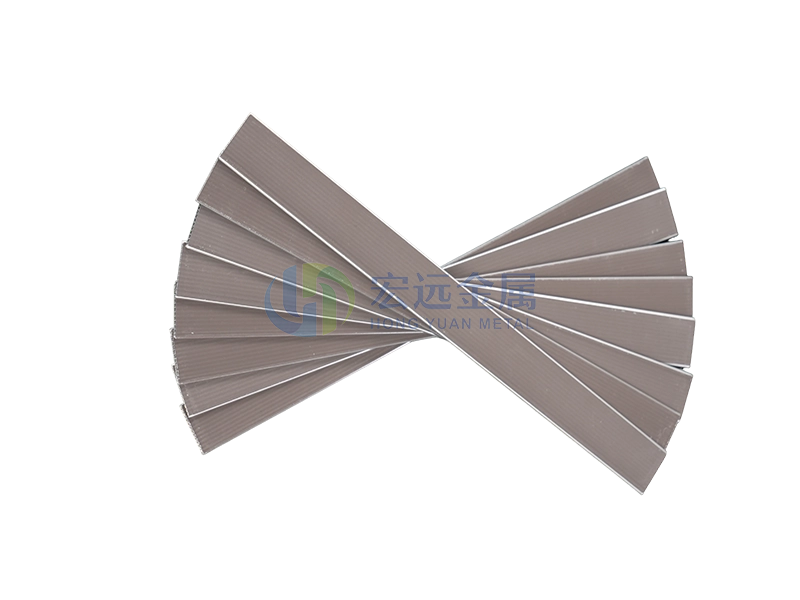
Sil flux coating tubes are integral components in the construction and decoration materials sector, particularly when it comes to steel tubes used in building applications. These tubes are designed with a specialized coating that enhances their functionality and longevity. The Sil flux coating serves multiple purposes, including improving corrosion resistance, facilitating welding processes, and e