
How Aluminum Round Tube Coils Enhance Heat Exchange in Air Conditioning
Release time:
2026-03-27
How Aluminum Round Tube Coils Enhance Heat Exchange in Air Conditioning In the world of air conditioning, maximizing heat exchange efficiency is paramount. One of the critical components that facilitate this process is the aluminum round tube coil. This article delves into how aluminum round tube coils can significantly enhance heat exchange in air conditioning systems, focusing on their design, b
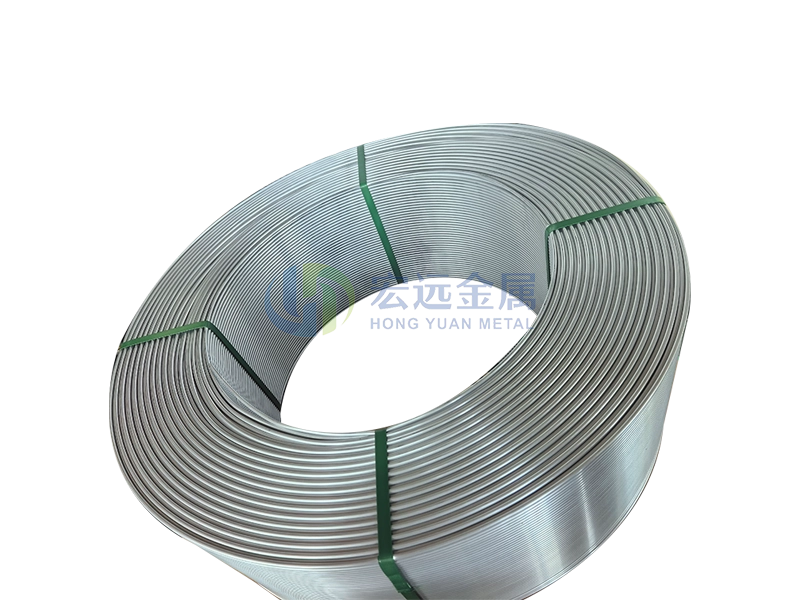
How Aluminum Round Tube Coils Enhance Heat Exchange in Air Conditioning
In the world of air conditioning, maximizing heat exchange efficiency is paramount. One of the critical components that facilitate this process is the aluminum round tube coil. This article delves into how aluminum round tube coils can significantly enhance heat exchange in air conditioning systems, focusing on their design, benefits, and applications.
Understanding Heat Exchange in Air Conditioning Systems
Heat exchange is the fundamental process through which air conditioning systems regulate indoor temperatures. The efficiency of this process directly impacts energy consumption and overall performance. To grasp how aluminum round tube coils fit into this picture, it’s essential to understand the principle of heat transfer.
The Basics of Heat Transfer
Heat transfer occurs through conduction, convection, and radiation. In air conditioning systems, heat is primarily exchanged through conduction and convection as refrigerants circulate through coils. With effective heat exchange, systems can cool or heat spaces more efficiently, leading to lower energy costs and improved comfort.
Role of Coils in Heat Exchange
Coils play a vital role in heat exchange by allowing refrigerant to absorb and release heat. The design of these coils influences how effectively they can transfer heat. This is where aluminum round tube coils come into play.
Why Choose Aluminum Round Tube Coils?
Aluminum round tube coils offer several intrinsic benefits. Their unique properties make them a preferred choice in modern air conditioning systems.
1. Enhanced Thermal Conductivity
Aluminum is known for its excellent thermal conductivity, which allows for efficient heat transfer between the refrigerant and the surrounding air. The use of round tubes increases the surface area for heat exchange without increasing the coil's footprint, making them more efficient in transferring heat compared to flat or rectangular coils.
2. Lightweight and Durable
Aluminum is significantly lighter than copper or steel, making installation easier and more cost-effective. Despite being lightweight, aluminum offers remarkable durability and resistance to corrosion, ensuring a long lifespan for the coils.
3. Flexibility in Design
The round shape of aluminum tubes allows for greater flexibility in design, enabling engineers to create compact and efficient coil configurations. This flexibility is crucial for accommodating various HVAC layouts and optimizing airflow.
4. Cost-Effectiveness
Aluminum round tube coils are often more cost-effective than their copper counterparts. They require less energy for production and are less expensive to transport due to their lighter weight, contributing to overall reduced installation costs.
5. Sustainability and Eco-Friendliness
Aluminum is recyclable, making it a more sustainable option for HVAC systems. Utilizing aluminum round tube coils can help reduce the environmental impact of air conditioning systems while promoting energy efficiency.
Applications of Aluminum Round Tube Coils in Air Conditioning
Aluminum round tube coils find extensive applications in various types of air conditioning systems, from residential to industrial. Their adaptability and performance make them suitable for several contexts.
1. Residential Air Conditioning Systems
In residential settings, aluminum round tube coils are widely used in central air conditioning and mini-split systems. Their efficiency in heat exchange contributes to improved indoor air quality and comfort for homeowners.
2. Commercial HVAC Systems
Many commercial HVAC systems utilize aluminum round tube coils to manage large-scale heating and cooling needs. Their ability to handle high volumes of air while maintaining efficiency makes them ideal for office buildings, shopping centers, and hospitals.
3. Industrial Applications
In industrial settings, aluminum round tube coils are crucial for process cooling and temperature regulation. Their durability and efficiency make them suitable for extreme operational conditions, ensuring reliable performance over time.
4. Refrigeration Systems
Aluminum round tube coils are also utilized in refrigeration applications. Their efficient heat exchange capabilities help maintain optimal temperatures in commercial refrigeration units and cold storage facilities.
Comparison with Other Coil Materials
While aluminum round tube coils offer numerous benefits, it’s useful to compare them with other common coil materials, such as copper and steel.
1. Aluminum vs. Copper
Copper coils have traditionally been favored for their excellent thermal conductivity. However, aluminum round tube coils are closing the gap. While copper tends to offer slightly better conductivity, aluminum's lightweight nature, cost-effectiveness, and resistance to corrosion make it a compelling alternative.
2. Aluminum vs. Steel
Steel coils are robust and resistant to damage, but they are also heavier and more expensive. Aluminum round tube coils are not only lighter but also provide superior heat exchange efficiency. Additionally, aluminum coils do not rust, which can lead to reduced maintenance costs over time.
Installation and Maintenance of Aluminum Round Tube Coils
Proper installation and maintenance are critical to ensuring the longevity and efficiency of aluminum round tube coils in air conditioning systems.
1. Installation Considerations
When installing aluminum round tube coils, technicians must pay attention to the layout and design of the HVAC system. Proper alignment and sealing are essential to maximize the coils' efficiency. Additionally, ensuring that the coils are adequately insulated will prevent energy loss.
2. Routine Maintenance
Regular maintenance of aluminum round tube coils is crucial for maintaining their performance. This includes cleaning the coils to remove dust and debris, checking for leaks, and ensuring that the refrigerant levels are adequate. Routine inspections can detect potential issues before they escalate, ensuring efficient operation.
Future Trends in Heat Exchange Technology
The HVAC industry continuously evolves, and advancements in technology promise even greater efficiencies in heat exchange systems. Innovations in coil design, materials, and smart technologies are paving the way for the next generation of air conditioning systems.
1. Smart HVAC Systems
Integrating smart technology into HVAC systems allows for real-time monitoring and adjustments based on indoor conditions. This can optimize the performance of aluminum round tube coils, enhancing heat exchange efficiency while reducing energy consumption.
2. Advanced Coating Technologies
Research into advanced coatings for aluminum coils aims to improve their durability and efficiency. These coatings can enhance the coils' resistance to corrosion and improve heat transfer capabilities, further extending their lifecycle.
3. Eco-Friendly Refrigerants
The shift towards eco-friendly refrigerants will also impact the design and function of aluminum round tube coils. Compatibility with new refrigerants will be critical for maintaining efficiency and reducing environmental impact.
Conclusion
Aluminum round tube coils are revolutionizing heat exchange in air conditioning systems through their unique properties and advantages. With enhanced thermal conductivity, lightweight durability, and flexibility in design, these coils offer significant benefits for residential, commercial, and industrial applications. As the HVAC industry continues to innovate, the role of aluminum round tube coils will likely expand, contributing to more efficient and sustainable air conditioning solutions.
FAQs
1. What are aluminum round tube coils used for in air conditioning?
Aluminum round tube coils are primarily used for heat exchange in air conditioning systems, improving efficiency and performance.
2. How do aluminum coils compare to copper coils?
While copper coils have excellent thermal conductivity, aluminum coils are lighter, more cost-effective, and resistant to corrosion, making them a strong alternative.
3. What maintenance do aluminum round tube coils require?
Regular maintenance includes cleaning the coils, checking for leaks, and ensuring proper refrigerant levels to maintain efficiency.
4. Are aluminum coils environmentally friendly?
Yes, aluminum is recyclable, and using aluminum coils in HVAC systems promotes sustainability and reduces environmental impact.
5. Can aluminum round tube coils be used in industrial applications?
Yes, aluminum round tube coils are ideal for industrial applications due to their durability and efficient heat exchange capabilities.
BLOGS
How Aluminum Round Tube Coils Enhance Heat Exchange in Air Conditioning
How Aluminum Round Tube Coils Enhance Heat Exchange in Air Conditioning In the world of air conditioning, maximizing heat exchange efficiency is paramount. One of the critical components that facilitate this process is the aluminum round tube coil. This article delves into how aluminum round tube coils can significantly enhance heat exchange in air conditioning systems, focusing on their design, b

Optimal Use of Round Tubes for Air Cooler Applications in Construction
In the construction and decorative materials industry, specifically in the segment of building pipes, the use of round tubes for air cooler applications plays a pivotal role in enhancing HVAC efficiency. Round tubes, particularly those made from galvanized steel, are a popular choice due to their corrosion resistance, strength, and lightweight properties. Galvanized pipes are coated with zinc to

Aluminum Flat Tube market expands with rising demand in energy-efficient and industrial applications
Aluminum Flat Tube offers lightweight strength, corrosion resistance, and excellent heat transfer, ideal for HVAC, automotive, and industrial use

The Critical Role of Material Selection in Multi-Port Extrusion Tubes for Hydraulics
The Critical Role of Material Selection in Multi-Port Extrusion Tubes for Hydraulics In the realm of hydraulics, **multi-port extrusion tubes** serve as vital components that facilitate the efficient distribution of hydraulic fluids. The performance, durability, and overall effectiveness of these tubes hinge significantly on the materials selected for their fabrication. In this comprehensive artic

Maximizing Battery Performance with Wide MPE Tubes for Efficient Cooling
In recent years, the demand for efficient battery cooling solutions has surged, particularly in the context of electric vehicles and energy storage systems. A critical component in these applications is the use of wide MPE (Modified Polyethylene) tubes, which serve as an effective means of thermal regulation for battery systems. Understanding the properties and benefits of wide MPE tubes can signi

Aluminum Tube for Reservoir: High-Performance Solution for Cooling and Fluid Systems
Aluminum tube for reservoir is a lightweight, corrosion-resistant solution designed for efficient fluid storage and thermal management systems. With excellent heat conductivity and customizable dimensions, it is widely used in automotive cooling, HVAC systems, and industrial applications, ensuring reliable performance and long service life.