
How to Choose the Right Air Conditioning Connecting Pipe for Maximum Efficiency
Release time:
2026-04-02
How to Choose the Right Air Conditioning Connecting Pipe for Maximum Efficiency Introduction to Air Conditioning Connecting Pipes Air conditioning systems are essential for comfort in both residential and commercial spaces. One critical component that often gets overlooked is the **connecting pipe**. The right choice of air conditioning connecting pipe can significantly influence the overall effic

How to Choose the Right Air Conditioning Connecting Pipe for Maximum Efficiency
Introduction to Air Conditioning Connecting Pipes
Air conditioning systems are essential for comfort in both residential and commercial spaces. One critical component that often gets overlooked is the **connecting pipe**. The right choice of air conditioning connecting pipe can significantly influence the overall efficiency and performance of your AC system. In this guide, we will explore how to choose the right pipe, focusing on factors such as material, size, insulation, and installation practices.
The Importance of Choosing the Right Connecting Pipe
The connecting pipe serves as a conduit that links the indoor and outdoor units of an air conditioning system. **Choosing the right connecting pipe** is vital as it affects not only the efficiency of the system but also energy consumption, cooling capacity, and longevity of the AC unit. A proper selection ensures optimal refrigerant flow, minimizes energy loss, and contributes to a comfortable indoor environment.
Understanding AC Connecting Pipe Types
There are primarily two types of pipes used in air conditioning systems: copper and aluminum. Understanding the differences between these materials can help you make an informed decision.
Copper Pipes
Copper pipes are favored for their durability and thermal conductivity. Here are some advantages of using copper pipes:
- **High Thermal Conductivity**: Copper conducts heat efficiently, which aids in the effective transfer of refrigerants.
- **Resistance to Corrosion**: Copper is less prone to corrosion, extending the lifespan of the installation.
- **Flexible and Easy to Work With**: Copper can be easily bent and shaped, which simplifies installation.
However, copper pipes tend to be more expensive than their aluminum counterparts.
Aluminum Pipes
Aluminum pipes are lighter and more cost-effective. Their benefits include:
- **Low Cost**: Aluminum pipes are generally cheaper than copper, making them a budget-friendly option.
- **Lightweight**: Their lightweight nature eases installation and transportation.
- **Corrosion Resistance**: While not as durable as copper, aluminum still offers decent resistance to certain types of corrosion.
However, aluminum does not conduct heat as effectively as copper, which may impact overall efficiency.
Choosing the Right Size of Connecting Pipe
The size of the connecting pipe is crucial for maintaining the efficiency of your air conditioning system. An incorrect size can lead to reduced performance and higher energy costs.
Understanding Pipe Diameter
Connecting pipes come in various diameters, typically ranging from 1/4 inch to 3/4 inch. It is essential to match the pipe diameter with the specifications of your AC unit. Here’s how to determine the correct size:
- **Consult Manufacturer Specifications**: Always refer to the manufacturer's guidelines for the recommended pipe diameter.
- **Consider the Length of the Run**: Longer runs may require larger diameters to maintain efficiency and minimize pressure loss.
- **Evaluate Refrigerant Type**: Different refrigerants may have varying requirements for pipe sizes.
Choosing the right diameter not only optimizes refrigerant flow but also helps prevent issues such as pressure drops and inefficiencies.
Insulation: A Key Component of AC Efficiency
Insulating your connecting pipes is another critical factor in maximizing air conditioning efficiency. Proper insulation minimizes heat gain or loss in the pipes, which is essential for maintaining the desired indoor temperature and reducing energy consumption.
Types of Insulation Materials
Several insulation materials are available, each with its pros and cons. Here are some common insulation materials used for AC connecting pipes:
Foam Insulation
Foam insulation is one of the most common types used for AC pipes. It's lightweight, cost-effective, and provides excellent thermal resistance.
- **Energy Efficient**: Reduces energy loss effectively.
- **Easy Installation**: Can be cut easily to fit various pipe sizes.
Rubber Insulation
Rubber insulation is another option, known for its durability and flexibility.
- **Weather Resistant**: Performs well in various climatic conditions.
- **Noise Reduction**: Helps in reducing noise from the AC system.
Vinyl Insulation
Vinyl insulation is also available, primarily used for its moisture-resistant properties.
- **Moisture Resistant**: Ideal for areas prone to humidity.
- **Versatile**: Works well for both indoor and outdoor installations.
When selecting the right insulation, consider the climate in your area and the specific needs of your air conditioning system.
Installation Best Practices for Connecting Pipes
Even the best materials and sizes won't yield maximum efficiency if the installation isn't done correctly. Here are some best practices to follow:
Proper Sealing Techniques
Ensure all joints and connections are tightly sealed to prevent refrigerant leaks. Use appropriate sealing materials, such as Teflon tape or pipe joint compound, to enhance the durability of connections.
Avoiding Bends and Kinks
Minimize bends and kinks in the connecting pipes, as they can restrict refrigerant flow and reduce efficiency. If bends are necessary, use wide-radius bends to maintain optimal flow.
Follow Local Building Codes and Standards
Always adhere to local building codes and standards during installation to ensure safety and efficiency. This practice not only helps in compliance but also improves the longevity and performance of your system.
Maintenance Tips for Air Conditioning Connecting Pipes
Regular maintenance is crucial for ensuring long-term efficiency and performance of your AC system. Here are some maintenance tips:
Routine Inspections
Conduct periodic inspections to check for signs of leaks, corrosion, or damage. Early detection can prevent costly repairs down the line.
Cleaning the Pipes
Keep the pipes clean and free from dust and debris. Clean pipes help in maintaining optimal refrigerant flow and efficiency.
Check Insulation Condition
Regularly examine the insulation around the connecting pipes. Replace any damaged or deteriorated insulation to maintain energy efficiency.
FAQs About Air Conditioning Connecting Pipes
1. What is the best material for air conditioning connecting pipes?
The best material depends on your specific needs. Copper pipes are excellent for durability and conductivity, while aluminum pipes are budget-friendly and lightweight.
2. How do I determine the correct size for my AC connecting pipe?
Refer to the manufacturer’s specifications and consider the length of the run and refrigerant type to determine the correct size.
3. Is insulation necessary for connecting pipes?
Yes, insulation is essential to minimize heat gain or loss, which improves overall efficiency.
4. Can I install the connecting pipe myself?
While DIY installations are possible, it is recommended to hire a professional to ensure proper sizing, sealing, and adherence to building codes.
5. How often should I maintain my air conditioning connecting pipes?
Conduct routine inspections at least once a year and perform maintenance as needed to ensure optimal performance.
Conclusion
Choosing the right air conditioning connecting pipe is crucial for maximizing efficiency and ensuring the longevity of your AC system. By understanding the different materials, sizes, insulation options, and best installation practices, you can make informed decisions that enhance your system's performance. Regular maintenance and adherence to best practices will further contribute to energy savings and comfort in your home or business. Investing the time to select and maintain the right connecting pipe will ultimately lead to a more efficient and effective air conditioning system.
BLOGS
How to Choose the Right Air Conditioning Connecting Pipe for Maximum Efficiency
How to Choose the Right Air Conditioning Connecting Pipe for Maximum Efficiency Introduction to Air Conditioning Connecting Pipes Air conditioning systems are essential for comfort in both residential and commercial spaces. One critical component that often gets overlooked is the **connecting pipe**. The right choice of air conditioning connecting pipe can significantly influence the overall effic

Understanding Coaxial Heat Exchanger Tubes: A Comprehensive Guide
Coaxial heat exchanger tubes are critical components in various thermal systems, particularly in applications where effective heat transfer is essential. These tubes consist of two concentric pipes—one for the hot fluid and the other for the cold fluid—allowing them to exchange heat efficiently while minimizing thermal losses. Understanding the properties and advantages of coaxial heat exchanger t
How Aluminum Round Tube Coils Enhance Heat Exchange in Air Conditioning
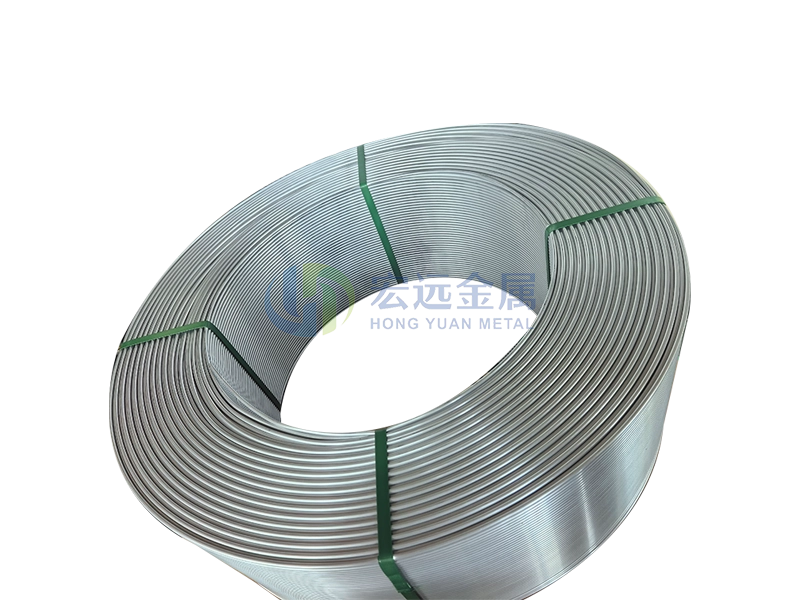
How Aluminum Round Tube Coils Enhance Heat Exchange in Air Conditioning In the world of air conditioning, maximizing heat exchange efficiency is paramount. One of the critical components that facilitate this process is the aluminum round tube coil. This article delves into how aluminum round tube coils can significantly enhance heat exchange in air conditioning systems, focusing on their design, b

Optimal Use of Round Tubes for Air Cooler Applications in Construction
In the construction and decorative materials industry, specifically in the segment of building pipes, the use of round tubes for air cooler applications plays a pivotal role in enhancing HVAC efficiency. Round tubes, particularly those made from galvanized steel, are a popular choice due to their corrosion resistance, strength, and lightweight properties. Galvanized pipes are coated with zinc to

Aluminum Flat Tube market expands with rising demand in energy-efficient and industrial applications
Aluminum Flat Tube offers lightweight strength, corrosion resistance, and excellent heat transfer, ideal for HVAC, automotive, and industrial use

The Critical Role of Material Selection in Multi-Port Extrusion Tubes for Hydraulics
The Critical Role of Material Selection in Multi-Port Extrusion Tubes for Hydraulics In the realm of hydraulics, **multi-port extrusion tubes** serve as vital components that facilitate the efficient distribution of hydraulic fluids. The performance, durability, and overall effectiveness of these tubes hinge significantly on the materials selected for their fabrication. In this comprehensive artic