
How Microchannel Flat Tube Coils Elevate HVAC Energy Efficiency
Release time:
2026-04-14
How Microchannel Flat Tube Coils Elevate HVAC Energy Efficiency Table of Contents 1. Introduction to HVAC Efficiency 2. What are Microchannel Flat Tube Coils? 3. Benefits of Microchannel Flat Tube Coils for HVAC Systems 4. How Microchannel Coils Improve Energy Efficiency 5. Microchannel Coils vs. Traditional Coils: A Comprehensive Comparison 6. Applications of Microchannel

How Microchannel Flat Tube Coils Elevate HVAC Energy Efficiency
Table of Contents
- 1. Introduction to HVAC Efficiency
- 2. What are Microchannel Flat Tube Coils?
- 3. Benefits of Microchannel Flat Tube Coils for HVAC Systems
- 4. How Microchannel Coils Improve Energy Efficiency
- 5. Microchannel Coils vs. Traditional Coils: A Comprehensive Comparison
- 6. Applications of Microchannel Flat Tube Coils in HVAC Systems
- 7. The Future of Microchannel Technology in HVAC
- 8. Conclusion
- 9. FAQs about Microchannel Flat Tube Coils
1. Introduction to HVAC Efficiency
Energy efficiency has become a crucial aspect of modern HVAC (Heating, Ventilation, and Air Conditioning) systems. As energy costs continue to rise and environmental concerns grow, industries are seeking innovative solutions to improve efficiency and reduce waste. In this context, microchannel flat tube coils have emerged as a game-changing technology. This article explores how these coils not only enhance energy efficiency but also contribute to better overall HVAC performance.
2. What are Microchannel Flat Tube Coils?
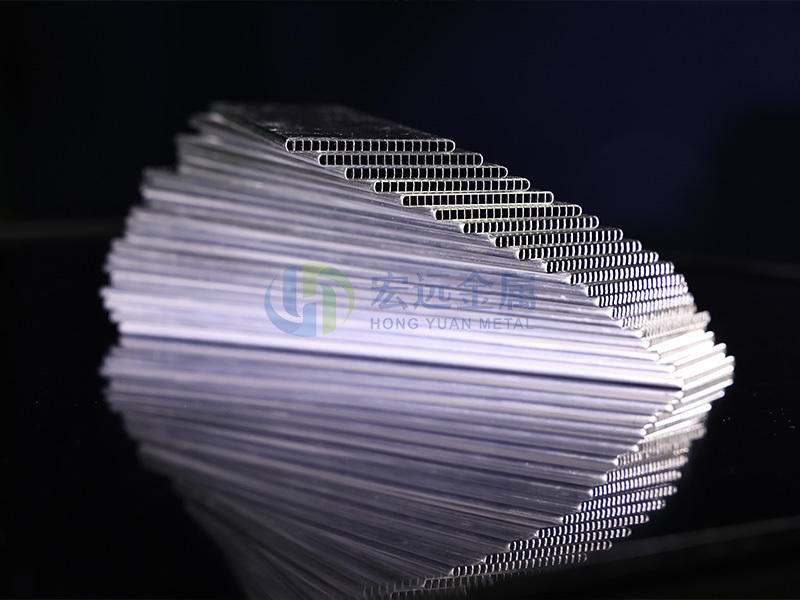
Microchannel flat tube coils are advanced heat exchange components used in various HVAC applications. Unlike conventional round tube coils, microchannel coils utilize flat, multi-channel tubes that facilitate efficient heat transfer. The unique design allows for a larger surface area in a compact form, leading to several operational benefits.
These coils are primarily constructed from aluminum, which is lightweight and corrosion-resistant, making them ideal for use in diverse environments. The flat tube design also allows for increased refrigerant flow, optimizing the heat exchange process while minimizing energy consumption.
3. Benefits of Microchannel Flat Tube Coils for HVAC Systems
The adoption of microchannel flat tube coils in HVAC systems offers numerous advantages:
3.1 Enhanced Heat Exchange Efficiency
Microchannel coils facilitate improved heat transfer due to their increased surface area. This leads to faster and more efficient temperature regulation within HVAC systems.
3.2 Reduced Refrigerant Charge
Microchannel technology requires less refrigerant than traditional coils, resulting in lower operational costs and a reduced environmental impact.
3.3 Compact Design
The slim profile of microchannel flat tube coils allows for easier integration into space-constrained installations, making them suitable for a wide range of applications.
3.4 Higher Reliability
With fewer joints and a robust design, microchannel coils are less prone to leaks and failures, enhancing overall system reliability.
3.5 Improved Durability
The corrosion-resistant properties of aluminum and the design of microchannel coils contribute to their longevity and performance stability under varying conditions.
4. How Microchannel Coils Improve Energy Efficiency
Microchannel flat tube coils significantly enhance HVAC energy efficiency through multiple mechanisms:
4.1 Optimized Refrigerant Flow
The design of microchannel coils promotes a lower pressure drop, enabling the refrigerant to flow more efficiently. This optimized flow reduces the workload on the compressor, leading to lower energy consumption.
4.2 Faster Cooling and Heating Cycles
The increased surface area allows for quicker heat exchange, leading to faster response times in heating and cooling cycles. This efficiency can decrease run times and energy usage, ultimately lowering utility bills.
4.3 Compatibility with Advanced Controls
Microchannel coils can be effectively integrated with modern HVAC control systems, allowing for precise temperature regulation and energy management, further enhancing efficiency.
5. Microchannel Coils vs. Traditional Coils: A Comprehensive Comparison
When evaluating microchannel flat tube coils against traditional round tube coils, several key differences emerge:
5.1 Heat Transfer Efficiency
Microchannel coils outperform traditional coils in heat transfer efficiency due to their design, which maximizes surface area and minimizes thermal resistance.
5.2 Energy Consumption
Studies show that microchannel coils can lead to energy savings of up to 30% compared to traditional coils, making them a more sustainable choice.
5.3 Installation and Maintenance
The lightweight design of microchannel coils simplifies installation and maintenance, reducing labor costs and installation time.
5.4 Environmental Impact
With a lower refrigerant charge and better energy efficiency, microchannel coils contribute to a smaller carbon footprint compared to their traditional counterparts.
6. Applications of Microchannel Flat Tube Coils in HVAC Systems
Microchannel flat tube coils are versatile and can be utilized in various HVAC applications:
6.1 Air Conditioning Systems
These coils are commonly used in residential and commercial air conditioning systems to enhance cooling efficiency and reduce energy consumption.
6.2 Heat Pumps
Microchannel coils optimize the efficiency of heat pumps, allowing for effective heating and cooling throughout the year.
6.3 Refrigeration Systems
In refrigeration applications, microchannel technology ensures maximum efficiency, making it ideal for commercial refrigeration units.
6.4 Chillers
Microchannel coils are increasingly used in chillers, improving their overall performance and energy efficiency while reducing the environmental impact.
7. The Future of Microchannel Technology in HVAC
As the demand for energy-efficient solutions continues to grow, the future of microchannel flat tube coils in HVAC technology looks promising. Ongoing research and development focus on enhancing their design and functionality, paving the way for even more sustainable HVAC solutions. Innovations may include improved materials, advanced heat exchange technologies, and further integration with smart control systems.
With increasing regulations on energy efficiency and environmental impact, microchannel technology is likely to play a crucial role in the next generation of HVAC systems.
8. Conclusion
Microchannel flat tube coils represent a significant advancement in HVAC technology, contributing to enhanced energy efficiency and overall system performance. Their unique design and numerous benefits make them an attractive option for modern heating and cooling applications. By adopting microchannel technology, industries can achieve substantial energy savings and reduce their environmental footprint, aligning with the growing demand for sustainable solutions.
Investing in microchannel flat tube coils not only optimizes HVAC performance but also positions businesses as leaders in energy efficiency and sustainability.
9. FAQs about Microchannel Flat Tube Coils
What is the primary advantage of using microchannel flat tube coils in HVAC systems?
The primary advantage of microchannel flat tube coils is their enhanced heat transfer efficiency, which leads to lower energy consumption and reduced operational costs.
Are microchannel coils more expensive than traditional coils?
While the initial cost may be higher, the long-term savings in energy consumption and maintenance often outweigh the upfront investment.
How do microchannel coils affect refrigerant use?
Microchannel coils require a lower refrigerant charge compared to traditional coils, making them more environmentally friendly and cost-effective.
Can microchannel coils be retrofitted into existing HVAC systems?
Yes, microchannel coils can often be retrofitted into existing HVAC systems, enhancing their efficiency and performance.
What types of HVAC systems benefit most from microchannel coil technology?
Microchannel coils are particularly beneficial in air conditioning systems, heat pumps, refrigeration systems, and chillers, improving efficiency across various applications.
By understanding the crucial role that microchannel flat tube coils play in HVAC energy efficiency, we can make informed decisions that promote sustainability and operational effectiveness in our systems.
BLOGS
How Microchannel Flat Tube Coils Elevate HVAC Energy Efficiency
How Microchannel Flat Tube Coils Elevate HVAC Energy Efficiency Table of Contents 1. Introduction to HVAC Efficiency 2. What are Microchannel Flat Tube Coils? 3. Benefits of Microchannel Flat Tube Coils for HVAC Systems 4. How Microchannel Coils Improve Energy Efficiency 5. Microchannel Coils vs. Traditional Coils: A Comprehensive Comparison 6. Applications of Microchannel
The Advantages of High Corrosion Resistance Flat Tubes in Construction and Decoration
--- In the construction and decoration industry, material selection is pivotal for ensuring durability, aesthetics, and cost-effectiveness. One such material gaining traction is the high corrosion resistance flat tube. These tubes are engineered to withstand harsh environmental conditions, making them ideal for various applications where exposure to moisture, chemicals, and other corrosive element

Innovative Design Ideas Featuring Wide MPE Tubes: Transforming Spaces with Versatile Solutions
Innovative Design Ideas Featuring Wide MPE Tubes Table of Contents 1. Introduction to Wide MPE Tubes 2. Characteristics of Wide MPE Tubes 3. Benefits of Using Wide MPE Tubes in Design 4. Creative Applications of Wide MPE Tubes 4.1 Interior Design Innovations 4.2 Exterior Architectural Solutions 4.3 Industrial and Commercial Uses 5. Sustainability and Wide MPE Tubes 6. Expert Tips for Incorporating

The Versatile Applications and Advantages of Helical Tubes in Construction
Helical tubes are an innovative type of construction material that has gained popularity in various applications due to their distinctive design and structural benefits. These tubes are characterized by their spiral or helical shape, which effectively enhances their strength and flexibility compared to traditional straight pipes. In the realm of architectural and decorative materials, they offer s

How to Choose the Right Air Conditioning Connecting Pipe for Maximum Efficiency
How to Choose the Right Air Conditioning Connecting Pipe for Maximum Efficiency Introduction to Air Conditioning Connecting Pipes Air conditioning systems are essential for comfort in both residential and commercial spaces. One critical component that often gets overlooked is the **connecting pipe**. The right choice of air conditioning connecting pipe can significantly influence the overall effic

Understanding Coaxial Heat Exchanger Tubes: A Comprehensive Guide
Coaxial heat exchanger tubes are critical components in various thermal systems, particularly in applications where effective heat transfer is essential. These tubes consist of two concentric pipes—one for the hot fluid and the other for the cold fluid—allowing them to exchange heat efficiently while minimizing thermal losses. Understanding the properties and advantages of coaxial heat exchanger t