
Exploring the Benefits of Helical Tubes in Construction: Transforming Structural Integrity
Release time:
2026-04-20
Exploring the Benefits of Helical Tubes in Construction Table of Contents 1. Introduction to Helical Tubes 2. What are Helical Tubes? 3. Key Benefits of Helical Tubes in Construction 3.1 Enhanced Structural Integrity 3.2 Material Efficiency and Sustainability 3.3 Cost-Effectiveness 4. Applications of Helical Tubes in Const
Exploring the Benefits of Helical Tubes in Construction
Table of Contents
- 1. Introduction to Helical Tubes
- 2. What are Helical Tubes?
- 3. Key Benefits of Helical Tubes in Construction
- 4. Applications of Helical Tubes in Construction
- 5. Design Considerations for Helical Tubes
- 6. Installation Techniques for Helical Tubes
- 7. Case Studies: Successful Implementations
- 8. The Future of Helical Tubes in Construction
- 9. Frequently Asked Questions
- 10. Conclusion
1. Introduction to Helical Tubes
In the evolving landscape of construction materials, **helical tubes** are gaining significant attention due to their unique structural properties and numerous applications. As construction demands become more complex, incorporating innovative materials like helical tubes can lead to enhanced performance and sustainability. This article aims to provide a thorough exploration of helical tubes, their benefits, applications, and future potential in the construction industry.
2. What are Helical Tubes?
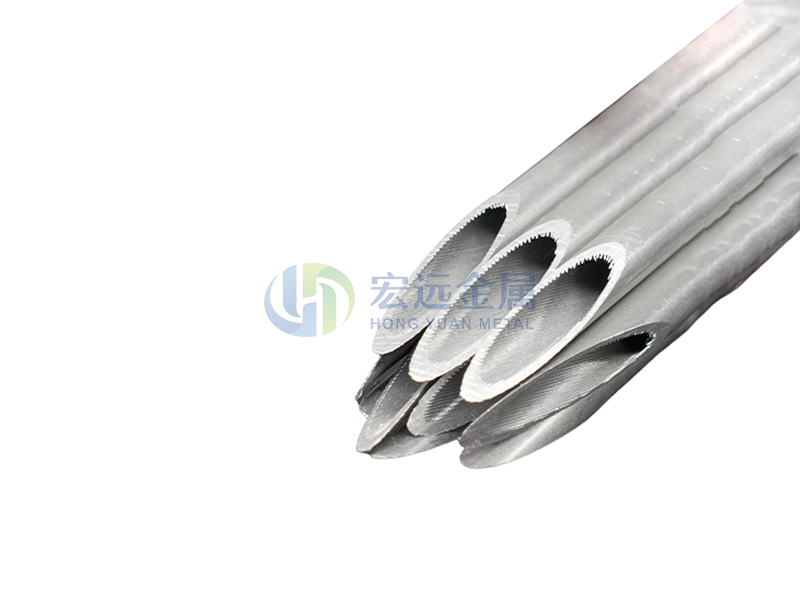
Helical tubes are cylindrical structures characterized by their spiral shape, which provides them with distinct mechanical properties. Made from various materials, including **steel** and **composite materials**, helical tubes are designed to handle various loads and stresses encountered in construction. Their geometric configuration allows for optimal strength-to-weight ratios, making them a practical choice for various structural applications.
3. Key Benefits of Helical Tubes in Construction
The integration of helical tubes into construction projects offers several **significant advantages**:
3.1 Enhanced Structural Integrity
One of the primary benefits of helical tubes is their **enhanced structural integrity**. The spiral design distributes loads uniformly, reducing stress concentrations that often lead to structural failures. This unique property allows helical tubes to withstand significant bending and torsional forces, making them ideal for **load-bearing applications**.
3.2 Material Efficiency and Sustainability
Helical tubes contribute to **material efficiency** by maximizing strength while minimizing weight. Their geometry allows for the use of less material without compromising structural performance, leading to sustainable construction practices. Additionally, the reduced material usage translates to lower carbon footprints, making helical tubes an environmentally friendly option.
3.3 Cost-Effectiveness
While the initial investment in helical tubes may be higher than traditional materials, their long-term cost-effectiveness cannot be overlooked. The durability and reduced maintenance requirements of helical tubes often result in significant savings over the lifespan of a construction project. Furthermore, the efficiency of installation can lead to reduced labor costs, enhancing overall project budgets.
4. Applications of Helical Tubes in Construction
Helical tubes are versatile and find applications across various sectors within the construction industry, including:
- **Foundation Systems**: Used as piles to support structures, particularly in challenging soil conditions.
- **Structural Frameworks**: Employed in beams and columns for their superior load-bearing capabilities.
- **Plumbing and HVAC Systems**: Implemented in piping systems for their flexibility and strength.
- **Customized Architectural Features**: Used in unique designs and aesthetic applications due to their distinctive shape.
5. Design Considerations for Helical Tubes
When integrating helical tubes into construction designs, several factors should be considered:
- **Load Requirements**: Assessing the load conditions is crucial to determine the appropriate specifications for helical tubes.
- **Material Selection**: Choosing the right material is essential based on the environmental conditions and desired properties of the structure.
- **Corrosion Resistance**: In certain applications, it is vital to consider coatings or companion materials to enhance corrosion resistance.
- **Architectural Aesthetics**: The visual appeal of helical tubes can be a significant design element, allowing for creative expressions in architecture.
6. Installation Techniques for Helical Tubes
Successful installation of helical tubes requires **careful planning and execution**. Here are some common techniques:
- **Helical Pile Installation**: Using specialized equipment to screw helical piles into the ground, ensuring optimal depth and alignment.
- **Welding and Joining**: Employing proper welding techniques to connect helical tubes within structural frameworks securely.
- **Prefabrication**: Off-site fabrication of helical tube components can streamline the installation process and enhance project timelines.
7. Case Studies: Successful Implementations
Several projects have successfully utilized helical tubes, showcasing their benefits and versatility:
- **Urban Development Project**: In a recent high-rise construction, helical tubes were used for the foundation, providing enhanced stability in the challenging urban soil environment.
- **Bridges and Overpasses**: In a notable infrastructure project, helical tubes served as effective supports for bridges, demonstrating exceptional load-bearing capabilities under dynamic conditions.
8. The Future of Helical Tubes in Construction
As the construction industry continues to innovate, the future of helical tubes appears promising. Ongoing research into advanced materials and manufacturing techniques is likely to enhance their performance further. Additionally, as sustainability becomes a more significant focus, helical tubes' environmentally friendly characteristics will likely lead to increased adoption across various sectors.
9. Frequently Asked Questions
1. What materials are used to make helical tubes?
Helical tubes can be constructed from various materials, including steel, aluminum, and composite materials, each chosen based on the specific application and required properties.
2. Are helical tubes suitable for all building types?
Yes, helical tubes can be used in various building types, including residential, commercial, and industrial structures, due to their versatility and strength.
3. How do helical tubes compare to traditional construction materials?
Helical tubes often provide superior strength-to-weight ratios and greater design flexibility compared to traditional construction materials, making them a compelling alternative in many applications.
4. What are the maintenance requirements for helical tubes?
Helical tubes typically require minimal maintenance due to their durability. However, it is essential to monitor for signs of corrosion or wear, especially in harsh environments.
5. How are helical tubes installed in construction projects?
Helical tubes can be installed using specialized equipment to screw them into the desired position, making the process efficient and effective for various applications.
10. Conclusion
The integration of **helical tubes** in construction represents a significant advancement in building materials, offering numerous benefits, including enhanced structural integrity, material efficiency, and cost-effectiveness. As we continue to explore innovative solutions in the industry, helical tubes stand out as a sustainable and versatile option for architects, engineers, and contractors alike. Embracing this technology will not only improve the performance and longevity of structures but also contribute to the overall sustainability of the construction sector. With ongoing advancements and growing understanding of their applications, the future of helical tubes in construction looks bright.
BLOGS

Oil Cooler Tube: Supporting Efficient Thermal Management in Modern Industries
Oil cooler tube provides efficient heat transfer, durability, and stable performance for automotive and industrial cooling systems, improving reliability, energy efficiency, and long-term equipment operation.

Wide MPE Tubes: Balancing Functionality and Style for Modern Design
Wide MPE Tubes: Balancing Functionality and Style for Modern Design Table of Contents 1. Introduction to Wide MPE Tubes 2. What Are Wide MPE Tubes? 3. Benefits of Using Wide MPE Tubes 3.1 Durability and Longevity 3.2 Lightweight Yet Sturdy 3.3 Versatility in Application 4. Design Options with Wide MPE Tubes

The Importance of Quality Air Conditioning Connecting Pipes in Your HVAC System
The Importance of Quality Air Conditioning Connecting Pipes in Your HVAC System Table of Contents Introduction to Air Conditioning Connecting Pipes Understanding HVAC Systems and Their Components The Role of Connecting Pipes in HVAC Systems The Importance of Quality Materials in Air Conditioning Pipes Installation Best Practices for Air Conditioning Pipes Maintenance Tips

Exploring the Benefits of High Corrosion Resistance Flat Tubes in Construction
Exploring the Benefits of High Corrosion Resistance Flat Tubes in Construction Table of Contents 1. Introduction to High Corrosion Resistance Flat Tubes 2. What Are Flat Tubes? 3. Understanding Corrosion Resistance Properties 4. Benefits of High Corrosion Resistance Flat Tubes in Construction 4.1 Durability and Longevity 4.2 Cost-Effectiveness
Exploring the Benefits and Applications of Wide MPE Tubes in Construction
Wide MPE tubes, or Wide Multi-Purpose Extrusion tubes, are specialized piping solutions made from modified polyethylene. These tubes are known for their excellent resistance to chemicals, UV radiation, and extreme weather conditions, making them ideal for various construction applications. Their wide diameter allows for increased flow rates and reduced pressure drop, enhancing the efficiency of fl
Exploring the Benefits of Helical Tubes in Construction: Transforming Structural Integrity
Exploring the Benefits of Helical Tubes in Construction Table of Contents 1. Introduction to Helical Tubes 2. What are Helical Tubes? 3. Key Benefits of Helical Tubes in Construction 3.1 Enhanced Structural Integrity 3.2 Material Efficiency and Sustainability 3.3 Cost-Effectiveness 4. Applications of Helical Tubes in Const