
Exploring the Benefits of High Corrosion Resistance Flat Tubes in Construction
Release time:
2026-04-26
Exploring the Benefits of High Corrosion Resistance Flat Tubes in Construction Table of Contents 1. Introduction to High Corrosion Resistance Flat Tubes 2. What Are Flat Tubes? 3. Understanding Corrosion Resistance Properties 4. Benefits of High Corrosion Resistance Flat Tubes in Construction 4.1 Durability and Longevity 4.2 Cost-Effectiveness
Exploring the Benefits of High Corrosion Resistance Flat Tubes in Construction
Table of Contents
- 1. Introduction to High Corrosion Resistance Flat Tubes
- 2. What Are Flat Tubes?
- 3. Understanding Corrosion Resistance Properties
- 4. Benefits of High Corrosion Resistance Flat Tubes in Construction
- 5. Applications of High Corrosion Resistance Flat Tubes
- 6. Choosing the Right Material for Your Project
- 7. The Future of Flat Tubes in Construction
- 8. FAQs
- 9. Conclusion
1. Introduction to High Corrosion Resistance Flat Tubes
In today's construction landscape, durability is paramount. One of the innovations that have gained significant traction is **high corrosion resistance flat tubes**. These tubes are engineered to withstand various environmental conditions, making them an ideal choice for a range of construction applications. As we explore the numerous benefits these materials provide, we will highlight their unique properties and how they contribute to achieving long-lasting structures.
2. What Are Flat Tubes?
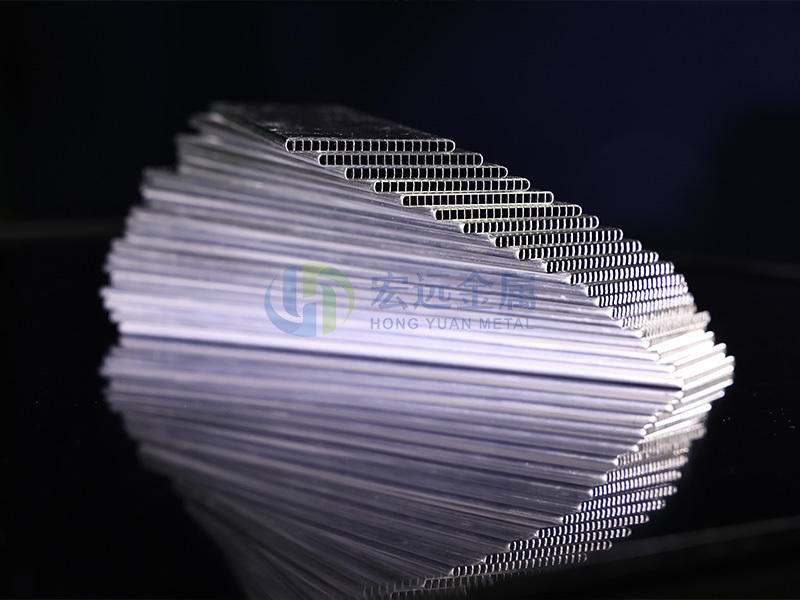
Flat tubes are elongated, rectangular sections of metal or other materials, often utilized in construction and manufacturing. These tubes are characterized by their flat shape and are often used to create frameworks, supports, or conduits. Flat tubes can be made from various materials, including stainless steel, aluminum, and carbon steel, each offering distinct advantages based on the requirements of a particular project.
3. Understanding Corrosion Resistance Properties
Corrosion resistance is the ability of a material to withstand deterioration caused by reaction with its environment. High corrosion resistance flat tubes typically incorporate advanced alloys and treatments that enhance their ability to resist rust, oxidation, and other forms of corrosion. This resistance is crucial in construction, especially in environments prone to moisture, chemicals, or extreme weather conditions.
4. Benefits of High Corrosion Resistance Flat Tubes in Construction
4.1 Durability and Longevity
One of the most compelling advantages of high corrosion resistance flat tubes is their **durability**. These tubes are designed to last, significantly reducing the need for maintenance and replacement over time. By using materials that resist corrosion, construction projects can achieve extended service life, ensuring that structures remain safe and functional for years.
4.2 Cost-Effectiveness
While the initial investment in high corrosion resistance flat tubes may be higher than traditional materials, the long-term cost benefits are substantial. Reduced maintenance, fewer replacements, and enhanced energy efficiency contribute to lower overall project costs. This makes high corrosion resistance flat tubes an economically savvy choice for contractors, architects, and builders alike.
4.3 Positive Environmental Impact
Using high corrosion resistance flat tubes also aligns with sustainability goals. These materials lead to less waste, as their durability reduces the frequency of replacements. Furthermore, many manufacturers focus on environmentally friendly processes when creating corrosion-resistant materials. By choosing these tubes, construction projects can significantly minimize their environmental footprint.
5. Applications of High Corrosion Resistance Flat Tubes
High corrosion resistance flat tubes offer versatility across various sectors within the construction industry.
5.1 Structural Applications
In structural applications, high corrosion resistance flat tubes provide the necessary strength to support load-bearing components. Their ability to withstand harsh environmental conditions makes them ideal for bridges, buildings, and infrastructure projects.
5.2 Plumbing Applications
In plumbing systems, corrosion-resistant materials are vital for preventing leaks and ensuring the longevity of piping systems. High corrosion resistance flat tubes are often used in water supply lines, drainage systems, and HVAC applications.
5.3 Automotive Applications
The automotive industry also benefits from high corrosion resistance flat tubes. These materials are used in exhaust systems, chassis components, and vehicle frameworks, providing both strength and longevity in harsh operating conditions.
6. Choosing the Right Material for Your Project
Selecting the appropriate material for your construction project involves considering various factors, including environmental conditions, load requirements, and budget constraints. High corrosion resistance flat tubes stand out as a top choice in environments where moisture, chemicals, or corrosive elements are present. Engaging with suppliers and engineers can help determine the best materials for specific applications.
7. The Future of Flat Tubes in Construction
As technology advances, the future of high corrosion resistance flat tubes looks promising. Innovations in material science are continuously enhancing the performance of these tubes, making them even more effective against corrosion and wear. Furthermore, the growing emphasis on sustainable construction practices is likely to drive increased adoption in the coming years.
8. FAQs
1. What materials are typically used to create high corrosion resistance flat tubes?
High corrosion resistance flat tubes can be made from various materials, including **stainless steel**, **aluminum**, and specially treated carbon steels.
2. How do I determine if high corrosion resistance flat tubes are suitable for my project?
Consider environmental factors such as moisture levels, chemical exposure, and the anticipated lifespan of the project. Consulting with engineers can provide tailored recommendations.
3. Are high corrosion resistance flat tubes more expensive than traditional materials?
While initial costs may be higher, the long-term savings due to reduced maintenance and replacement often justify the investment.
4. Can high corrosion resistance flat tubes be recycled?
Yes, many high corrosion resistance flat tubes can be recycled, contributing to sustainable construction practices.
5. What industries benefit the most from high corrosion resistance flat tubes?
Industries such as **construction**, **automotive**, and **marine** heavily rely on high corrosion resistance flat tubes for their durability and performance in challenging conditions.
9. Conclusion
High corrosion resistance flat tubes represent a significant advancement in construction materials, offering numerous benefits that cater to modern building needs. Their durability, cost-effectiveness, and positive environmental impact make them an essential component in achieving robust and sustainable structures. As the construction industry continues to evolve, embracing these innovative materials will be crucial for future success. Adopting high corrosion resistance flat tubes ensures longevity and reliability, ultimately leading to better-performing projects and enhanced safety for all.
BLOGS

Oil Cooler Tube: Supporting Efficient Thermal Management in Modern Industries
Oil cooler tube provides efficient heat transfer, durability, and stable performance for automotive and industrial cooling systems, improving reliability, energy efficiency, and long-term equipment operation.

Wide MPE Tubes: Balancing Functionality and Style for Modern Design
Wide MPE Tubes: Balancing Functionality and Style for Modern Design Table of Contents 1. Introduction to Wide MPE Tubes 2. What Are Wide MPE Tubes? 3. Benefits of Using Wide MPE Tubes 3.1 Durability and Longevity 3.2 Lightweight Yet Sturdy 3.3 Versatility in Application 4. Design Options with Wide MPE Tubes

The Importance of Quality Air Conditioning Connecting Pipes in Your HVAC System
The Importance of Quality Air Conditioning Connecting Pipes in Your HVAC System Table of Contents Introduction to Air Conditioning Connecting Pipes Understanding HVAC Systems and Their Components The Role of Connecting Pipes in HVAC Systems The Importance of Quality Materials in Air Conditioning Pipes Installation Best Practices for Air Conditioning Pipes Maintenance Tips
Exploring the Benefits of High Corrosion Resistance Flat Tubes in Construction
Exploring the Benefits of High Corrosion Resistance Flat Tubes in Construction Table of Contents 1. Introduction to High Corrosion Resistance Flat Tubes 2. What Are Flat Tubes? 3. Understanding Corrosion Resistance Properties 4. Benefits of High Corrosion Resistance Flat Tubes in Construction 4.1 Durability and Longevity 4.2 Cost-Effectiveness
Exploring the Benefits and Applications of Wide MPE Tubes in Construction
Wide MPE tubes, or Wide Multi-Purpose Extrusion tubes, are specialized piping solutions made from modified polyethylene. These tubes are known for their excellent resistance to chemicals, UV radiation, and extreme weather conditions, making them ideal for various construction applications. Their wide diameter allows for increased flow rates and reduced pressure drop, enhancing the efficiency of fl
Exploring the Benefits of Helical Tubes in Construction: Transforming Structural Integrity
Exploring the Benefits of Helical Tubes in Construction Table of Contents 1. Introduction to Helical Tubes 2. What are Helical Tubes? 3. Key Benefits of Helical Tubes in Construction 3.1 Enhanced Structural Integrity 3.2 Material Efficiency and Sustainability 3.3 Cost-Effectiveness 4. Applications of Helical Tubes in Const