
Understanding High Corrosion Resistance Flat Tubes: The Future of Building and Decorative Materials
Release time:
2026-05-13
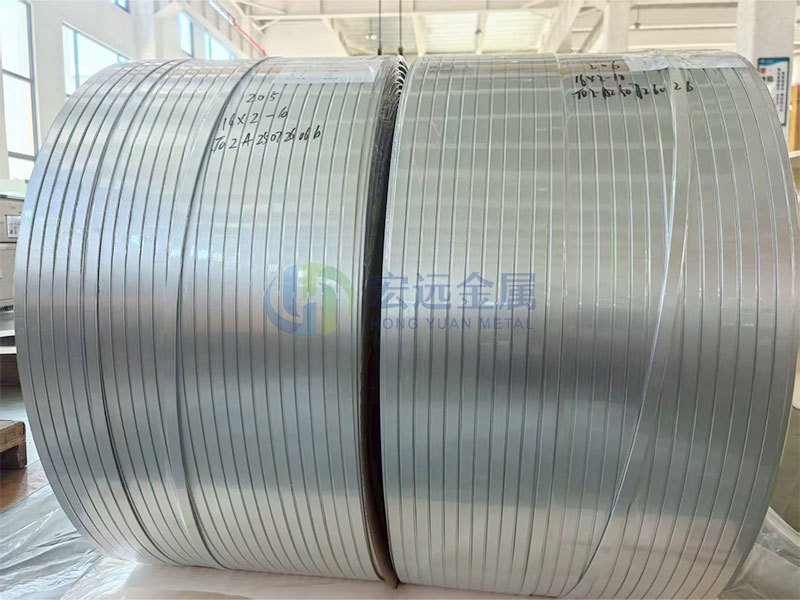
High corrosion resistance flat tubes are increasingly becoming essential in the construction and decorative materials sector, particularly for applications where exposure to harsh environments is a concern. These tubes are engineered to withstand corrosion, making them ideal for various settings, including architectural projects, plumbing, and structural components. Corrosion in metal materials ca

Corrosion in metal materials can lead to significant structural damage over time, particularly in buildings and installations exposed to moisture, chemicals, or extreme weather conditions. High corrosion resistance flat tubes are typically made from specialized alloys or treated to enhance their durability. For example, stainless steel and aluminum are commonly used due to their intrinsic properties, such as resistance to rust and oxidation. This characteristic is particularly vital for structures in coastal areas or industrial sites where exposure to saline atmospheres or corrosive substances is prevalent.
The manufacturing process of these tubes often involves advanced techniques such as alloying, surface treatments, and coatings that further boost corrosion resistance. By choosing high corrosion resistance flat tubes, architects and builders can ensure the longevity of their projects, reducing maintenance costs and enhancing safety. Additionally, these tubes can be produced in various sizes and wall thicknesses, making them versatile for multiple applications – from decorative fixtures to structural elements.
In terms of aesthetics, high corrosion resistance flat tubes can also contribute to modern and sleek designs. Their ability to maintain visual appeal over time, without unsightly rust or deterioration, allows architects and designers the freedom to create visually stunning projects without compromising on durability. This fusion of form and function is crucial in today’s construction landscape, where aesthetics and practicality go hand in hand.
Furthermore, the environmental impact of using high corrosion resistance flat tubes cannot be overlooked. By selecting materials that last longer and require fewer replacements, the construction industry can contribute to a more sustainable future. Sustainable building practices are increasingly prioritized, and using durable materials aligns with these objectives, promoting the conservation of resources and reducing waste.
In summary, high corrosion resistance flat tubes represent a significant advancement in building and decorative materials, combining durability, aesthetic versatility, and environmental sustainability. Their essential role in modern construction makes them a preferred choice for professionals seeking to enhance both the functionality and appearance of their projects. As the industry evolves, the adoption of such innovative materials will undoubtedly lead to safer and more resilient structures that stand the test of time.
BLOGS
Understanding Microchannel Flat Tube Coils: The Future of HVAC Efficiency
Microchannel flat tube coils represent an innovative advancement in the design and functionality of HVAC systems, particularly in air conditioning, refrigeration, and ventilation equipment. These coils are comprised of flat tubes that are arranged in a compact configuration, offering several advantages over traditional round tube coils. One of the primary benefits is their enhanced heat transfer e

Microchannel Aluminum Flat Tubes: The Future of Lightweight Building Materials
Microchannel Aluminum Flat Tubes: The Future of Lightweight Building Materials Table of Contents 1. Introduction to Microchannel Aluminum Flat Tubes 2. What Are Microchannel Aluminum Flat Tubes? 3. Advantages of Microchannel Aluminum Flat Tubes 3.1 Lightweight Design 3.2 Thermal Efficiency 3.3 Corrosion Resistance 4. Applicatio

Understanding Oil Cooler Tubes: Essential Components for Efficient Performance
Oil cooler tubes play a crucial role in various applications, particularly within the construction and decorative materials sector. These components are essential for regulating the temperature of oil in machinery, ensuring optimal performance and longevity. Whether in heavy-duty equipment or smaller machines, understanding the function and importance of oil cooler tubes can greatly enhance operat

Maximizing Air Flow with Round Tubes for Air Coolers
Maximizing Air Flow with Round Tubes for Air Coolers Introduction to Air Flow in Cooling Systems In the realm of climate control, effective air flow is crucial. Air coolers rely on the movement of air to regulate temperatures, making the design of air ducts and tubes a significant factor in their performance. This article focuses on the advantages of using round tubes in air cooling systems, s

Understanding Coaxial Heat Exchanger Tubes: A Key Component in Modern Architecture
Coaxial heat exchanger tubes are innovative components designed to improve thermal efficiency in various systems. Unlike traditional heat exchangers, which often utilize a single pipe or tube for heat transfer, coaxial heat exchangers consist of one tube inside another, allowing for a more efficient transfer of heat. This design not only maximizes the surface area for heat exchange but also minimi

Preflux Coating: Enhancing the Performance of Flat Tubes in Construction
Introduction to Preflux Coating and Its Importance in Construction In the realm of construction, the materials used can significantly impact the overall quality and longevity of structures. One such material that has garnered attention is **flat tubes**, particularly those treated with **preflux coating**. This innovative technology not only enhances the performance of flat tubes but also plays a