
Understanding Helical Tubes in Construction and Decor Materials
Release time:
2026-06-04
Helical tubes are an intriguing component in the realm of construction and decorative materials. Characterized by their spiral shape, these tubes offer a range of benefits and applications that make them valuable in various architectural projects. Unlike traditional straight tubes, helical tubes provide enhanced structural integrity and design flexibility, making them a popular choice for modern c
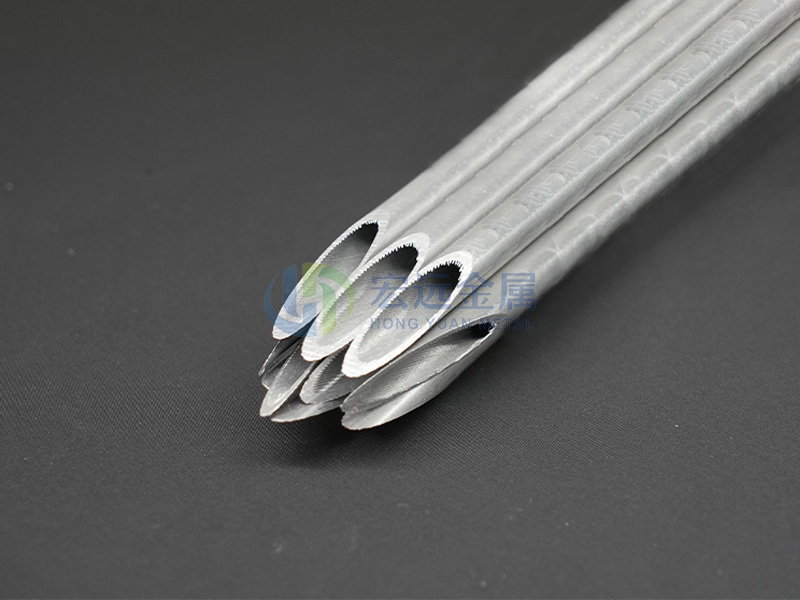
One of the primary advantages of helical tubes is their ability to withstand both tensile and compressive forces. This strength is largely attributed to their geometric design, which distributes loads more evenly than conventional tubes. As a result, helical tubes can be utilized in a variety of structural applications, from supporting frameworks to being integrated into decorative elements. Their unique shape allows architects and designers to explore innovative designs that might be challenging to achieve with standard tube configurations.
Moreover, helical tubes are often employed in fluid conveyance applications due to their smooth internal surfaces. This design reduces turbulence and friction within the tube, facilitating efficient fluid flow. Whether used for drainage systems, water supply lines, or HVAC applications, helical tubes can significantly enhance the performance of these systems while reducing the risk of blockages and maintenance issues.
In addition to their functional benefits, helical tubes also lend themselves to aesthetic applications. The spiral design can be incorporated into various architectural elements such as railings, sculptures, and even building facades. This versatility allows architects to create visually striking features that can enhance the overall appeal of a structure. By utilizing helical tubes, designers can achieve a harmonious balance between form and function, resulting in eye-catching and practical solutions.
When considering the environmental aspect, helical tubes can also contribute to sustainable building practices. Many manufacturers are now producing these tubes using recycled materials or eco-friendly manufacturing processes. This shift towards sustainability aligns with the growing demand for green building materials, making helical tubes an attractive option for environmentally conscious projects.
As the construction industry continues to evolve, the incorporation of innovative materials like helical tubes will likely increase. Their unique properties and versatile applications make them a great asset for architects and builders looking to push the boundaries of traditional design and construction. By understanding the potential of helical tubes, professionals in the field can leverage their benefits to create structures that are not only functional but also visually stunning.
In summary, helical tubes represent an exciting development in construction and decorative materials. Their strength, design flexibility, and potential for aesthetic appeal make them a noteworthy option for a variety of applications. As the industry embraces new technologies and innovative materials, helical tubes will undoubtedly play a crucial role in shaping the future of architectural design.
BLOGS

Understanding Preflux Coating for Flat Tubes in Steel Construction
Preflux coating is a process applied to flat tubes that significantly enhances their performance and longevity in various construction and decorative applications. This specialized coating takes place before the welding process and serves as a protective layer that can improve the overall efficiency of the metal during subsequent manufacturing stages. One of the main benefits of preflux coating is

The Environmental Advantages of Using Zn-Silflux Coating Flat Tubes
The Environmental Advantages of Using Zn-Silflux Coating Flat Tubes Table of Contents 1. Introduction to Zn-Silflux Coating Flat Tubes 2. What is Zn-Silflux Coating? 3. Benefits of Using Zn-Silflux Coating Flat Tubes 3.1 Durability and Longevity 3.2 Corrosion Resistance 3.3 Energy Efficiency 4. Environmental Impact of Zn-Silflu
Understanding Microchannel Flat Tube Coils: The Future of HVAC Efficiency
Microchannel flat tube coils represent an innovative advancement in the design and functionality of HVAC systems, particularly in air conditioning, refrigeration, and ventilation equipment. These coils are comprised of flat tubes that are arranged in a compact configuration, offering several advantages over traditional round tube coils. One of the primary benefits is their enhanced heat transfer e

Microchannel Aluminum Flat Tubes: The Future of Lightweight Building Materials
Microchannel Aluminum Flat Tubes: The Future of Lightweight Building Materials Table of Contents 1. Introduction to Microchannel Aluminum Flat Tubes 2. What Are Microchannel Aluminum Flat Tubes? 3. Advantages of Microchannel Aluminum Flat Tubes 3.1 Lightweight Design 3.2 Thermal Efficiency 3.3 Corrosion Resistance 4. Applicatio

Understanding Oil Cooler Tubes: Essential Components for Efficient Performance
Oil cooler tubes play a crucial role in various applications, particularly within the construction and decorative materials sector. These components are essential for regulating the temperature of oil in machinery, ensuring optimal performance and longevity. Whether in heavy-duty equipment or smaller machines, understanding the function and importance of oil cooler tubes can greatly enhance operat

Maximizing Air Flow with Round Tubes for Air Coolers
Maximizing Air Flow with Round Tubes for Air Coolers Introduction to Air Flow in Cooling Systems In the realm of climate control, effective air flow is crucial. Air coolers rely on the movement of air to regulate temperatures, making the design of air ducts and tubes a significant factor in their performance. This article focuses on the advantages of using round tubes in air cooling systems, s