
The Role of Microchannel Aluminum Flat Tubes in Sustainable Construction Practices
Release time:
2026-06-21
The Role of Microchannel Aluminum Flat Tubes in Sustainable Construction Practices Introduction to Microchannel Aluminum Flat Tubes In the ever-evolving landscape of construction, the quest for sustainability is at the forefront of innovation. One key component contributing to this movement is **microchannel aluminum flat tubes**. These tubes offer unique advantages that align perfectly with mod
The Role of Microchannel Aluminum Flat Tubes in Sustainable Construction Practices
Introduction to Microchannel Aluminum Flat Tubes
In the ever-evolving landscape of construction, the quest for sustainability is at the forefront of innovation. One key component contributing to this movement is **microchannel aluminum flat tubes**. These tubes offer unique advantages that align perfectly with modern sustainable practices. As we delve into the specifics of microchannel aluminum flat tubes, we will explore their composition, functionality, and the critical role they play in enhancing energy efficiency and reducing carbon footprints in construction.
What Are Microchannel Aluminum Flat Tubes?
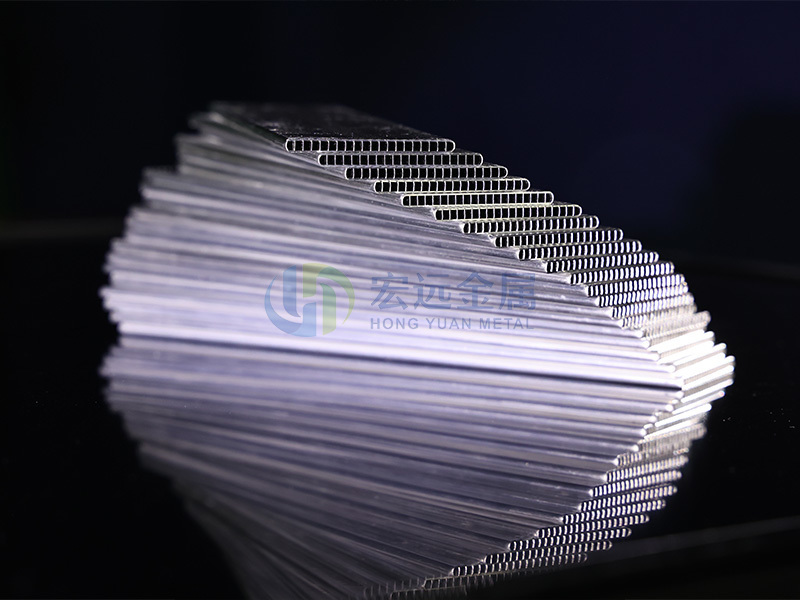
Microchannel aluminum flat tubes are lightweight, high-performance components primarily used in the HVAC (Heating, Ventilation and Air Conditioning) industry. Their design features small channels that allow for efficient fluid transport, making them ideal for heat exchange applications. These tubes are characterized by their:
- **Thin walls**: Reducing material usage while maintaining strength.
- **High surface area**: Enhancing heat transfer efficiency.
- **Corrosion resistance**: Extending service life in various environments.
Through these attributes, microchannel aluminum flat tubes have established themselves as indispensable in sustainable construction practices, helping reduce energy consumption and associated greenhouse gas emissions.
The Importance of Sustainability in Modern Construction
Sustainability has become a critical focal point in the construction industry. With growing environmental concerns, the demand for **eco-friendly building materials** and practices is at an all-time high. The construction sector contributes significantly to global CO2 emissions, necessitating a shift towards sustainable alternatives.
By integrating materials that promote energy efficiency, such as microchannel aluminum flat tubes, construction projects can substantially lower their carbon footprints and contribute to a healthier planet.
Benefits of Microchannel Aluminum Flat Tubes
The adoption of microchannel aluminum flat tubes in sustainable construction practices offers several key benefits:
1. Enhanced Energy Efficiency
Due to their design, microchannel aluminum flat tubes facilitate superior heat exchange capabilities. This leads to reduced energy consumption in heating and cooling systems, translating to lower energy bills and decreased demand on power resources.
2. Lightweight and Strong
The lightweight nature of aluminum flat tubes allows for easier handling and installation, reducing labor costs and simplifying logistics. Their strength ensures durability, making them a reliable choice for various construction applications.
3. Reduced Material Waste
The efficient design of microchannel tubes minimizes material usage, contributing to less waste during production and installation. This aligns with the principles of sustainable construction, which emphasize resource conservation and responsible sourcing.
4. Long Lifespan and Low Maintenance
Microchannel aluminum flat tubes have a long service life due to their corrosion resistance. This durability results in lower maintenance costs and resource consumption over the lifespan of the building.
5. Versatility Across Applications
These tubes are not limited to HVAC systems. They are increasingly being utilized in refrigeration, automotive applications, and other sectors, showcasing their adaptability in various sustainable practices.
The Applications of Microchannel Aluminum Flat Tubes in Construction
Microchannel aluminum flat tubes find numerous applications in the construction industry, primarily focused on enhancing energy efficiency and sustainability. Some notable applications include:
1. HVAC Systems
In HVAC systems, microchannel tubes play a crucial role in cooling and heating processes. Their design allows for efficient heat transfer, reducing energy consumption and improving overall system performance.
2. Refrigeration Units
The refrigeration sector benefits from the compact size and efficient thermal management capabilities of microchannel aluminum flat tubes. This leads to enhanced performance and energy efficiency in commercial and residential refrigeration systems.
3. Solar Thermal Systems
Microchannel tubes are also utilized in solar thermal applications. Their efficient heat transfer properties enable effective energy capture and conversion, making them an integral part of sustainable energy solutions.
4. Chilled Beam Technology
In modern building designs, chilled beams incorporate microchannel aluminum tubes to provide efficient cooling. This technology is particularly effective in large commercial spaces, where energy efficiency is paramount.
Microchannel Aluminum Flat Tubes and LEED Certification
The **Leadership in Energy and Environmental Design (LEED)** certification is a widely recognized standard for green building. Integrating microchannel aluminum flat tubes into construction projects can significantly contribute to achieving LEED points. By enhancing energy efficiency, reducing waste, and utilizing sustainable materials, these tubes help builders meet the stringent requirements set forth by LEED.
Strategies for Incorporating Microchannel Aluminum Flat Tubes
To maximize the benefits of microchannel aluminum flat tubes, construction professionals can adopt the following strategies:
1. Early Design Integration
Incorporating microchannel tubes during the early design phases of a project can lead to optimized system layouts, reduced material use, and enhanced performance.
2. Collaboration with Suppliers
Engaging with suppliers who specialize in microchannel technology can provide valuable insights into the best practices for installation and application, ensuring maximum efficiency and sustainability.
3. Continuous Training for Professionals
Ongoing education and training for construction professionals regarding the latest developments in microchannel technology can further enhance the effectiveness of its integration into building projects.
Challenges and Solutions in Using Microchannel Aluminum Flat Tubes
While the benefits of microchannel aluminum flat tubes are evident, there are challenges that construction professionals may encounter:
1. Initial Cost Considerations
The upfront cost of microchannel aluminum flat tubes may be higher than conventional materials. However, their long-term energy savings and reduced maintenance costs often outweigh these initial expenditures.
2. Installation Expertise
Proper installation is critical for maximizing the benefits of microchannel tubes. Investing in training and hiring experienced professionals can mitigate potential installation issues.
3. Limited Awareness
Many construction professionals may not be familiar with the benefits and applications of microchannel aluminum flat tubes. Increasing industry awareness through workshops and seminars can help promote wider adoption.
Future Trends in Microchannel Aluminum Technology
As the construction industry continues to evolve, microchannel aluminum flat tubes are expected to gain even more prominence. Future trends may include:
1. Advanced Material Development
Ongoing research and development may lead to new formulations of aluminum that enhance the properties of microchannel tubes, improving performance and sustainability.
2. Integration with Smart Building Technologies
The intersection of microchannel aluminum technology with smart building systems can lead to further efficiencies in energy management and resource allocation.
3. Expanding Applications
As sustainability becomes increasingly crucial, microchannel aluminum flat tubes are likely to find new applications beyond HVAC and refrigeration, potentially expanding their role in sustainable construction practices.
Conclusion
Microchannel aluminum flat tubes are undeniably shaping the future of sustainable construction practices. With their energy-efficient design, versatility, and contributions to reduced material waste, these innovative components are essential for modern eco-friendly building projects. By overcoming the challenges associated with their adoption, the construction industry can fully leverage the benefits of microchannel technology, pushing the boundaries of sustainability and efficiency in building practices for years to come. Embracing this technology is not just a trend; it is a vital step towards a greener, more sustainable future in construction.
FAQs
1. What are microchannel aluminum flat tubes used for?
Microchannel aluminum flat tubes are primarily used in HVAC systems, refrigeration units, and solar thermal applications due to their efficient heat transfer capabilities.
2. How do microchannel tubes contribute to sustainability?
They enhance energy efficiency, reduce material waste, and have a long lifespan, all of which contribute to more sustainable construction practices.
3. Are microchannel aluminum flat tubes more expensive than traditional materials?
While they may have a higher initial cost, the long-term savings in energy and maintenance often make them more cost-effective.
4. Can microchannel tubes be used in residential construction?
Yes, they can be used in both commercial and residential applications, particularly in energy-efficient HVAC systems.
5. What role do microchannel tubes play in LEED certification?
Integrating microchannel aluminum flat tubes can help projects achieve LEED points by promoting energy efficiency and reducing resource consumption.
BLOGS

Understanding Oil Cooler Tubes: Essential Components for Efficient Performance
Oil cooler tubes play a crucial role in various applications, particularly within the construction and decorative materials sector. These components are essential for regulating the temperature of oil in machinery, ensuring optimal performance and longevity. Whether in heavy-duty equipment or smaller machines, understanding the function and importance of oil cooler tubes can greatly enhance operat

Maximizing Air Flow with Round Tubes for Air Coolers
Maximizing Air Flow with Round Tubes for Air Coolers Introduction to Air Flow in Cooling Systems In the realm of climate control, effective air flow is crucial. Air coolers rely on the movement of air to regulate temperatures, making the design of air ducts and tubes a significant factor in their performance. This article focuses on the advantages of using round tubes in air cooling systems, s

Understanding Coaxial Heat Exchanger Tubes: A Key Component in Modern Architecture
Coaxial heat exchanger tubes are innovative components designed to improve thermal efficiency in various systems. Unlike traditional heat exchangers, which often utilize a single pipe or tube for heat transfer, coaxial heat exchangers consist of one tube inside another, allowing for a more efficient transfer of heat. This design not only maximizes the surface area for heat exchange but also minimi

Preflux Coating: Enhancing the Performance of Flat Tubes in Construction
Introduction to Preflux Coating and Its Importance in Construction In the realm of construction, the materials used can significantly impact the overall quality and longevity of structures. One such material that has garnered attention is **flat tubes**, particularly those treated with **preflux coating**. This innovative technology not only enhances the performance of flat tubes but also plays a

Understanding Zn-Silflux Coating Flat Tubes: A Comprehensive Guide
Zn-Silflux coating flat tubes are specialized components often employed in various construction and decorative projects. These tubes are characterized by their unique Zn-Silflux coating, which enhances their performance and durability in diverse environments. The Zn-Silflux coating is primarily composed of zinc and a silicate flux, providing a robust layer that protects against corrosion and wear.

Innovative Applications of Microchannel Flat Tube Coils in Industrial Cooling
Innovative Applications of Microchannel Flat Tube Coils in Industrial Cooling Introduction to Microchannel Flat Tube Coils Microchannel flat tube coils are revolutionizing the way industrial cooling systems operate. These advanced components, designed with numerous parallel channels, facilitate efficient heat exchange while using less refrigerant. Their unique structure optimizes airflow and reduc