
Understanding Preflux Coating for Flat Steel Tubes in Construction
Release time:
2026-07-03
--- In the construction and decorative materials industry, particularly when it comes to flat steel tubes, preflux coating has emerged as a critical process that enhances the durability and functionality of these materials. Preflux coating refers to the application of a coating layer designed to improve adhesion and corrosion resistance, essential factors for materials used in various structural a
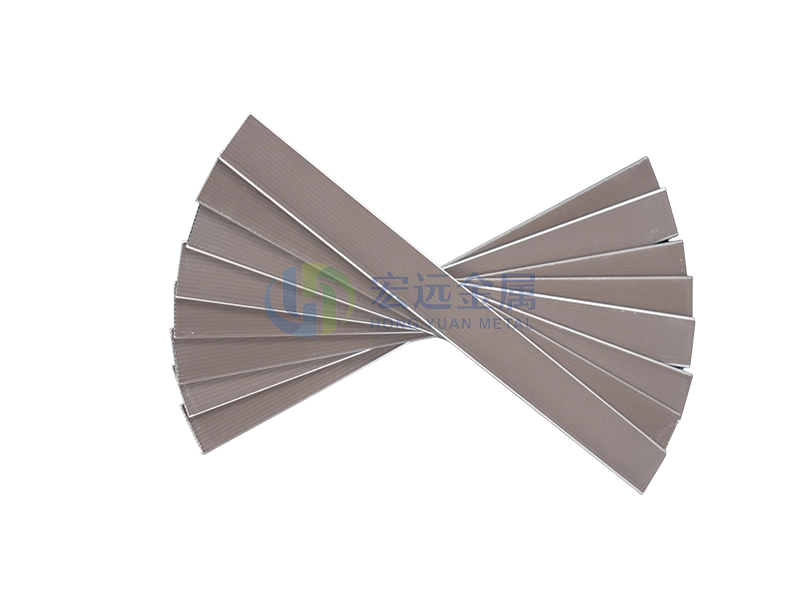
In the construction and decorative materials industry, particularly when it comes to flat steel tubes, preflux coating has emerged as a critical process that enhances the durability and functionality of these materials. Preflux coating refers to the application of a coating layer designed to improve adhesion and corrosion resistance, essential factors for materials used in various structural and aesthetic applications.
The process of preflux coating begins with the preparation of the flat tube surface. It is crucial to ensure that the surface is clean and free of contaminants, as this directly impacts the effectiveness of the coating. Typically, methods such as sandblasting or chemical cleaning are employed to achieve optimal surface conditions. Once the surface is prepared, the preflux material, which is often a combination of zinc-based compounds or other proprietary formulations, is applied. This coating not only acts as a barrier against environmental factors but also facilitates subsequent processes such as welding and painting.
One of the primary advantages of employing preflux coating on flat tubes is its ability to significantly enhance corrosion resistance. In environments where steel is exposed to moisture, chemicals, or extreme weather conditions, the preflux coating serves as a protective layer that mitigates the risk of corrosion. This is particularly vital for construction materials that are integral to the safety and longevity of structures.
Furthermore, preflux coating improves the adhesion of paint and other finishing materials. In decorative applications, where aesthetic appeal is paramount, a well-coated surface ensures that paint and finishes adhere properly, reducing the likelihood of peeling or deterioration over time. This quality is especially important in high-visibility areas where the appearance of materials can significantly influence overall design.
Another important aspect of preflux coating is its role in enhancing the welding process. When flat tubes are coated with a suitable preflux material, the welding process becomes more efficient, leading to stronger and more reliable welds. This is particularly crucial in structural applications where the integrity of welds directly affects safety and performance.
In conclusion, understanding the importance of preflux coating for flat steel tubes is essential for professionals in the construction and decorative materials sector. By improving corrosion resistance, enhancing adhesion qualities, and facilitating better welding outcomes, preflux coating contributes significantly to the overall performance of flat tubes in various applications. As the industry continues to evolve, adopting advanced coatings and treatments will be key to ensuring that materials meet the demanding requirements of modern construction.
BLOGS

Understanding Preflux Coating for Flat Tubes in Steel Construction
Preflux coating is a process applied to flat tubes that significantly enhances their performance and longevity in various construction and decorative applications. This specialized coating takes place before the welding process and serves as a protective layer that can improve the overall efficiency of the metal during subsequent manufacturing stages. One of the main benefits of preflux coating is

The Environmental Advantages of Using Zn-Silflux Coating Flat Tubes
The Environmental Advantages of Using Zn-Silflux Coating Flat Tubes Table of Contents 1. Introduction to Zn-Silflux Coating Flat Tubes 2. What is Zn-Silflux Coating? 3. Benefits of Using Zn-Silflux Coating Flat Tubes 3.1 Durability and Longevity 3.2 Corrosion Resistance 3.3 Energy Efficiency 4. Environmental Impact of Zn-Silflu
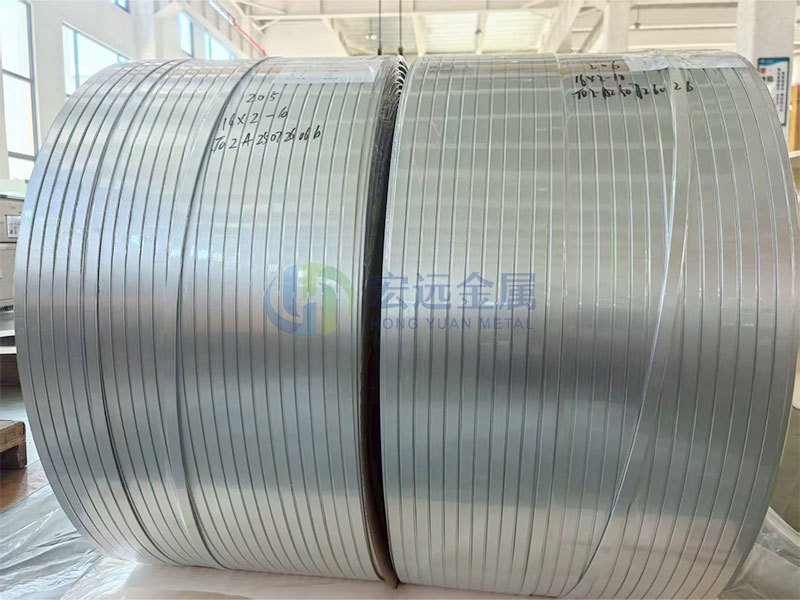
Understanding Microchannel Flat Tube Coils: The Future of HVAC Efficiency
Microchannel flat tube coils represent an innovative advancement in the design and functionality of HVAC systems, particularly in air conditioning, refrigeration, and ventilation equipment. These coils are comprised of flat tubes that are arranged in a compact configuration, offering several advantages over traditional round tube coils. One of the primary benefits is their enhanced heat transfer e

Microchannel Aluminum Flat Tubes: The Future of Lightweight Building Materials
Microchannel Aluminum Flat Tubes: The Future of Lightweight Building Materials Table of Contents 1. Introduction to Microchannel Aluminum Flat Tubes 2. What Are Microchannel Aluminum Flat Tubes? 3. Advantages of Microchannel Aluminum Flat Tubes 3.1 Lightweight Design 3.2 Thermal Efficiency 3.3 Corrosion Resistance 4. Applicatio

Understanding Oil Cooler Tubes: Essential Components for Efficient Performance
Oil cooler tubes play a crucial role in various applications, particularly within the construction and decorative materials sector. These components are essential for regulating the temperature of oil in machinery, ensuring optimal performance and longevity. Whether in heavy-duty equipment or smaller machines, understanding the function and importance of oil cooler tubes can greatly enhance operat

Maximizing Air Flow with Round Tubes for Air Coolers
Maximizing Air Flow with Round Tubes for Air Coolers Introduction to Air Flow in Cooling Systems In the realm of climate control, effective air flow is crucial. Air coolers rely on the movement of air to regulate temperatures, making the design of air ducts and tubes a significant factor in their performance. This article focuses on the advantages of using round tubes in air cooling systems, s