
Understanding Microchannel Aluminum Flat Tubes: A Key Component in Modern Construction
Release time:
2026-07-19
Microchannel aluminum flat tubes are specialized components made from aluminum, designed with a series of small channels or grooves. These tubes are primarily used in various applications within the construction and building materials sector, particularly in heating, ventilation, and air conditioning (HVAC) systems. Their innovative design offers several advantages over traditional tubing methods.
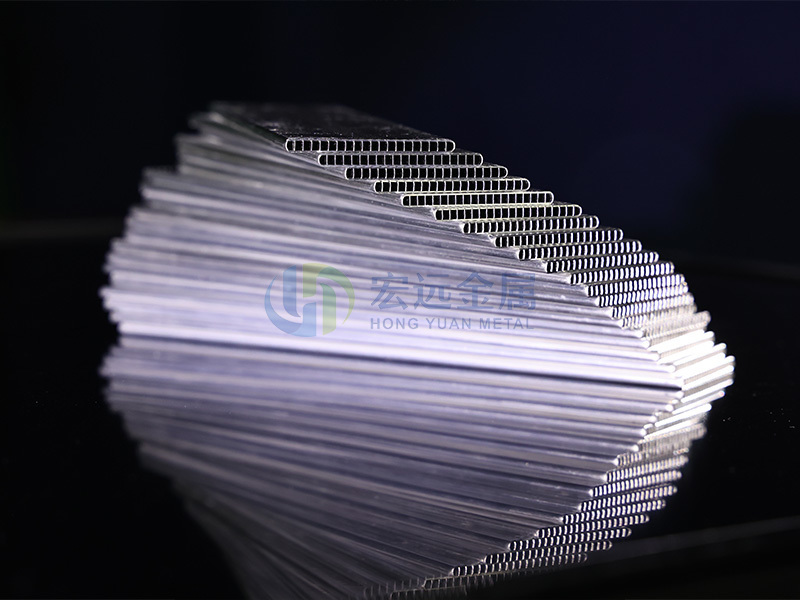
One of the most significant benefits of microchannel aluminum flat tubes is their enhanced thermal efficiency. Due to the increased surface area provided by the microchannel structure, these tubes allow for better heat exchange. This means that HVAC systems utilizing microchannel tubes can operate more efficiently, reducing energy consumption and improving overall system performance. As energy efficiency becomes a critical factor in building design, the use of microchannel technology in aluminum tubes is increasingly favored.
Another advantage of microchannel aluminum flat tubes is their lightweight nature. Aluminum, as a material, is known for its low density, making these tubes significantly lighter than other traditional materials, such as copper. This weight reduction simplifies handling and installation, which can lead to decreased labor costs and faster project timelines. Furthermore, the lightweight characteristic allows for greater flexibility in design, enabling architects and builders to create innovative structures without compromising structural integrity.
Durability is another key feature of microchannel aluminum flat tubes. Aluminum is naturally resistant to corrosion, which is essential for building materials exposed to various environmental factors. The microchannel design further enhances this resistance, as the smaller channels reduce the likelihood of debris accumulation and blockages, promoting longevity and reliability in HVAC applications.
Microchannel aluminum flat tubes also present an environmental advantage. With the global push towards sustainability, using materials that enhance energy efficiency while minimizing waste is increasingly important. The design of microchannel tubes allows for more efficient cooling and heating, leading to lower greenhouse gas emissions associated with energy production. Additionally, aluminum is 100% recyclable, contributing to a circular economy and reducing the overall environmental footprint.
In conclusion, microchannel aluminum flat tubes are an innovative solution in the construction and building materials industry. Their superior thermal efficiency, lightweight properties, durability, and environmental benefits make them a preferred choice for modern HVAC systems. As the construction sector continues to evolve, the adoption of advanced materials like microchannel aluminum flat tubes will be instrumental in achieving better building performance and sustainability.
BLOGS

Understanding Preflux Coating for Flat Tubes in Steel Construction
Preflux coating is a process applied to flat tubes that significantly enhances their performance and longevity in various construction and decorative applications. This specialized coating takes place before the welding process and serves as a protective layer that can improve the overall efficiency of the metal during subsequent manufacturing stages. One of the main benefits of preflux coating is

The Environmental Advantages of Using Zn-Silflux Coating Flat Tubes
The Environmental Advantages of Using Zn-Silflux Coating Flat Tubes Table of Contents 1. Introduction to Zn-Silflux Coating Flat Tubes 2. What is Zn-Silflux Coating? 3. Benefits of Using Zn-Silflux Coating Flat Tubes 3.1 Durability and Longevity 3.2 Corrosion Resistance 3.3 Energy Efficiency 4. Environmental Impact of Zn-Silflu
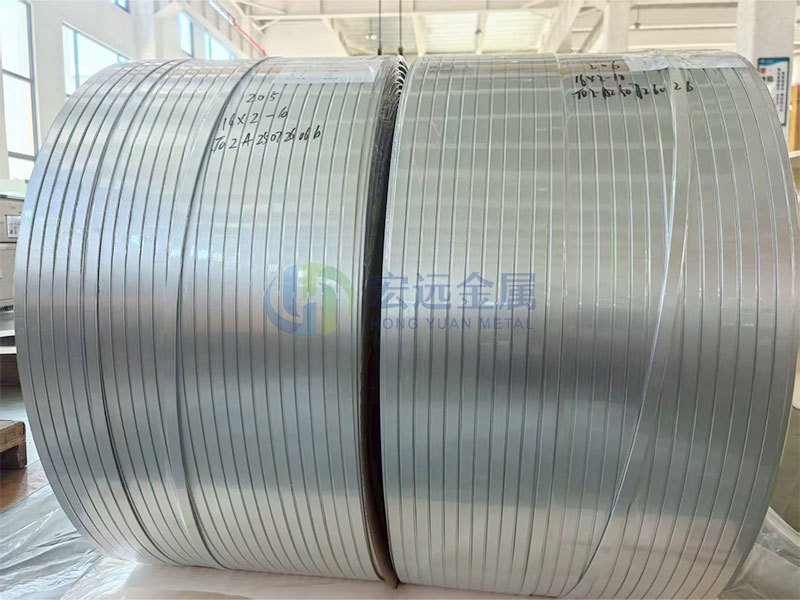
Understanding Microchannel Flat Tube Coils: The Future of HVAC Efficiency
Microchannel flat tube coils represent an innovative advancement in the design and functionality of HVAC systems, particularly in air conditioning, refrigeration, and ventilation equipment. These coils are comprised of flat tubes that are arranged in a compact configuration, offering several advantages over traditional round tube coils. One of the primary benefits is their enhanced heat transfer e

Microchannel Aluminum Flat Tubes: The Future of Lightweight Building Materials
Microchannel Aluminum Flat Tubes: The Future of Lightweight Building Materials Table of Contents 1. Introduction to Microchannel Aluminum Flat Tubes 2. What Are Microchannel Aluminum Flat Tubes? 3. Advantages of Microchannel Aluminum Flat Tubes 3.1 Lightweight Design 3.2 Thermal Efficiency 3.3 Corrosion Resistance 4. Applicatio

Understanding Oil Cooler Tubes: Essential Components for Efficient Performance
Oil cooler tubes play a crucial role in various applications, particularly within the construction and decorative materials sector. These components are essential for regulating the temperature of oil in machinery, ensuring optimal performance and longevity. Whether in heavy-duty equipment or smaller machines, understanding the function and importance of oil cooler tubes can greatly enhance operat

Maximizing Air Flow with Round Tubes for Air Coolers
Maximizing Air Flow with Round Tubes for Air Coolers Introduction to Air Flow in Cooling Systems In the realm of climate control, effective air flow is crucial. Air coolers rely on the movement of air to regulate temperatures, making the design of air ducts and tubes a significant factor in their performance. This article focuses on the advantages of using round tubes in air cooling systems, s