
Understanding Oil Cooler Tubes: Essential Components for Efficient Heat Management
Release time:
2026-08-12
--- Oil cooler tubes are specialized components designed to facilitate the efficient transfer of heat away from oils and lubricants within various systems. In the building and construction sector, these tubes play a pivotal role in maintaining optimal operational temperatures, thereby enhancing the overall performance and longevity of machinery and equipment. At their core, oil cooler tubes functi
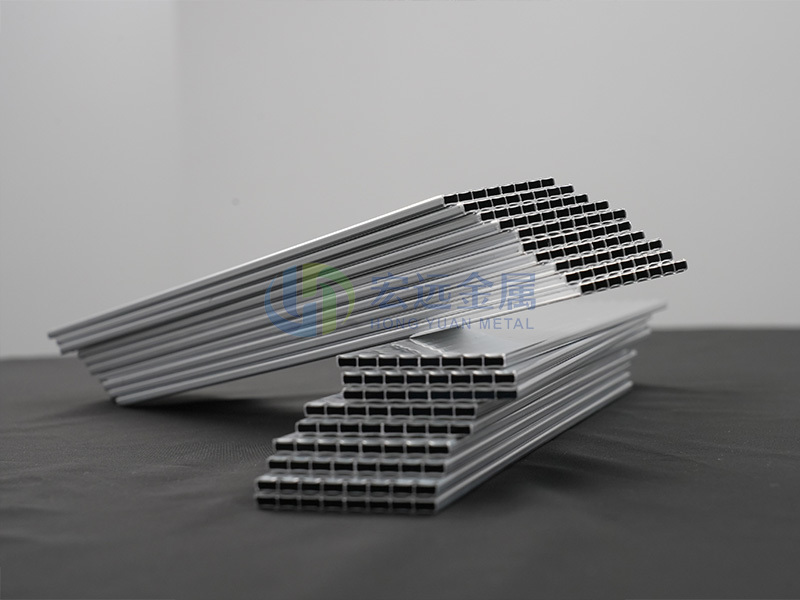
Oil cooler tubes are specialized components designed to facilitate the efficient transfer of heat away from oils and lubricants within various systems. In the building and construction sector, these tubes play a pivotal role in maintaining optimal operational temperatures, thereby enhancing the overall performance and longevity of machinery and equipment.
At their core, oil cooler tubes function by circulating oil through a series of channels or tubes that are exposed to a cooling medium, typically air or water. As the heated oil flows through these tubes, it releases excess heat, allowing for cooler oil to return to the system. This heat exchange process is vital in preventing overheating, which can lead to reduced efficiency, increased wear and tear, and potential equipment failure.
One of the primary benefits of oil cooler tubes is their ability to improve the thermal management of hydraulic systems, engines, and other machinery that rely on oil for lubrication. By effectively dissipating heat, these tubes help maintain the viscosity of the oil, ensuring that it performs its lubricating functions effectively. This is especially important in high-demand environments, such as construction sites, where heavy machinery operates under strenuous conditions.
In addition to promoting efficient cooling, oil cooler tubes contribute to the overall energy efficiency of a system. When equipment operates at optimal temperatures, it consumes less energy, leading to lower operational costs and reduced environmental impact. For professionals in the construction and decorative materials industry, understanding the importance of these components can lead to better decision-making when selecting materials and designing systems.
Moreover, the application of oil cooler tubes extends beyond just mechanical systems. They are also utilized in various industries, including automotive, aerospace, and manufacturing, where heat management is critical. The versatility of oil cooler tubes makes them an essential component in many engineering solutions, showcasing their importance across different fields.
In conclusion, oil cooler tubes are indispensable for maintaining the efficiency and reliability of systems that utilize oils and lubricants. For professionals in the construction and decorative materials sector, selecting the right type of oil cooler tube can significantly impact the performance and longevity of equipment. By investing in quality materials and understanding the principles of thermal management, stakeholders can ensure their projects operate smoothly and efficiently, ultimately leading to successful outcomes.
BLOGS

Understanding Preflux Coating for Flat Tubes in Steel Construction
Preflux coating is a process applied to flat tubes that significantly enhances their performance and longevity in various construction and decorative applications. This specialized coating takes place before the welding process and serves as a protective layer that can improve the overall efficiency of the metal during subsequent manufacturing stages. One of the main benefits of preflux coating is

The Environmental Advantages of Using Zn-Silflux Coating Flat Tubes
The Environmental Advantages of Using Zn-Silflux Coating Flat Tubes Table of Contents 1. Introduction to Zn-Silflux Coating Flat Tubes 2. What is Zn-Silflux Coating? 3. Benefits of Using Zn-Silflux Coating Flat Tubes 3.1 Durability and Longevity 3.2 Corrosion Resistance 3.3 Energy Efficiency 4. Environmental Impact of Zn-Silflu
Understanding Microchannel Flat Tube Coils: The Future of HVAC Efficiency
Microchannel flat tube coils represent an innovative advancement in the design and functionality of HVAC systems, particularly in air conditioning, refrigeration, and ventilation equipment. These coils are comprised of flat tubes that are arranged in a compact configuration, offering several advantages over traditional round tube coils. One of the primary benefits is their enhanced heat transfer e

Microchannel Aluminum Flat Tubes: The Future of Lightweight Building Materials
Microchannel Aluminum Flat Tubes: The Future of Lightweight Building Materials Table of Contents 1. Introduction to Microchannel Aluminum Flat Tubes 2. What Are Microchannel Aluminum Flat Tubes? 3. Advantages of Microchannel Aluminum Flat Tubes 3.1 Lightweight Design 3.2 Thermal Efficiency 3.3 Corrosion Resistance 4. Applicatio

Understanding Oil Cooler Tubes: Essential Components for Efficient Performance
Oil cooler tubes play a crucial role in various applications, particularly within the construction and decorative materials sector. These components are essential for regulating the temperature of oil in machinery, ensuring optimal performance and longevity. Whether in heavy-duty equipment or smaller machines, understanding the function and importance of oil cooler tubes can greatly enhance operat

Maximizing Air Flow with Round Tubes for Air Coolers
Maximizing Air Flow with Round Tubes for Air Coolers Introduction to Air Flow in Cooling Systems In the realm of climate control, effective air flow is crucial. Air coolers rely on the movement of air to regulate temperatures, making the design of air ducts and tubes a significant factor in their performance. This article focuses on the advantages of using round tubes in air cooling systems, s