
Understanding Microchannel Flat Tube Coils: A Key Component in HVAC Systems
Release time:
2026-08-20
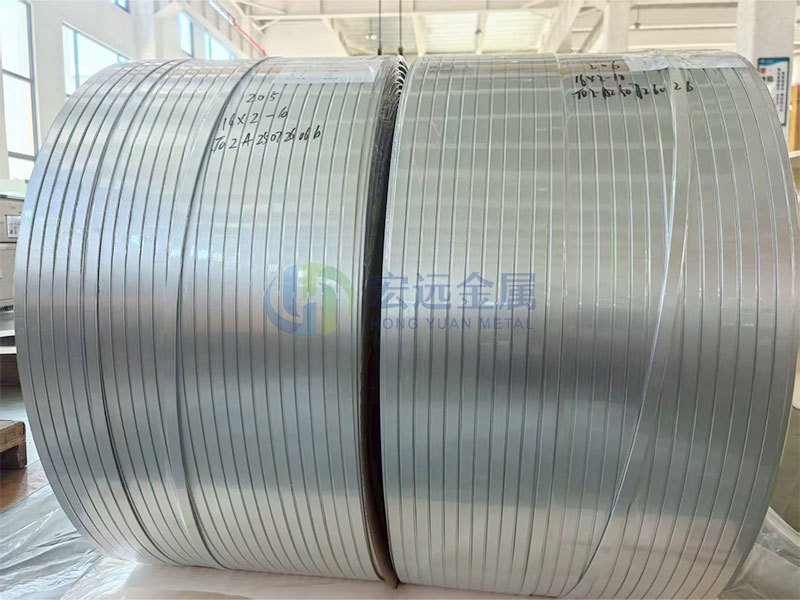
Microchannel flat tube coils are an innovative solution in the HVAC (Heating, Ventilation, and Air Conditioning) industry, particularly in the context of fan coil units. These coils are designed with a unique flat tube structure, allowing for a compact and lightweight design while maintaining high thermal efficiency. The microchannel technology utilizes small, parallel refrigerant pathways, which

One of the primary advantages of Microchannel flat tube coils is their improved energy efficiency. The design allows for a larger surface area for heat exchange in a smaller volume, which leads to better thermal performance. This characteristic is particularly crucial in commercial and residential air conditioning systems, where energy consumption is a significant concern. By optimizing the heat transfer process, these coils help reduce overall operational costs, making them an appealing choice for both manufacturers and end-users.
In addition to energy efficiency, Microchannel coils are also known for their lightweight and compact nature. This feature simplifies installation and reduces the overall weight of HVAC systems, which is advantageous for both structural considerations and transportation. Furthermore, the reduced size of these coils allows for more flexible design options in space-constrained environments, enabling engineers to optimize system layouts without sacrificing performance.
Another notable benefit of Microchannel flat tube coils is their resistance to corrosion and reduced refrigerant charge. The materials used in manufacturing these coils are often treated to enhance durability and prolong lifespan, which is essential in maintaining system reliability over time. Additionally, the microchannel design typically requires less refrigerant to achieve the same cooling capacity as traditional coils, which is beneficial from both an environmental and cost perspective.
When integrating Microchannel flat tube coils into your HVAC systems, it is essential to consider compatibility with existing equipment and the specific cooling requirements of your application. Collaboration with HVAC professionals can ensure you select the right coil configuration to maximize performance and efficiency.
In conclusion, Microchannel flat tube coils represent a significant advancement in HVAC technology, offering enhanced efficiency, lightweight design, and reduced refrigerant usage. Understanding their benefits and applications can help HVAC professionals make informed decisions that contribute to energy savings and improved environmental impact in their projects. Whether you’re involved in the design, manufacturing, or maintenance of HVAC systems, familiarizing yourself with Microchannel technology is a step toward optimizing system performance.
BLOGS
Understanding Microchannel Flat Tube Coils: The Future of HVAC Efficiency
Microchannel flat tube coils represent an innovative advancement in the design and functionality of HVAC systems, particularly in air conditioning, refrigeration, and ventilation equipment. These coils are comprised of flat tubes that are arranged in a compact configuration, offering several advantages over traditional round tube coils. One of the primary benefits is their enhanced heat transfer e

Microchannel Aluminum Flat Tubes: The Future of Lightweight Building Materials
Microchannel Aluminum Flat Tubes: The Future of Lightweight Building Materials Table of Contents 1. Introduction to Microchannel Aluminum Flat Tubes 2. What Are Microchannel Aluminum Flat Tubes? 3. Advantages of Microchannel Aluminum Flat Tubes 3.1 Lightweight Design 3.2 Thermal Efficiency 3.3 Corrosion Resistance 4. Applicatio

Understanding Oil Cooler Tubes: Essential Components for Efficient Performance
Oil cooler tubes play a crucial role in various applications, particularly within the construction and decorative materials sector. These components are essential for regulating the temperature of oil in machinery, ensuring optimal performance and longevity. Whether in heavy-duty equipment or smaller machines, understanding the function and importance of oil cooler tubes can greatly enhance operat

Maximizing Air Flow with Round Tubes for Air Coolers
Maximizing Air Flow with Round Tubes for Air Coolers Introduction to Air Flow in Cooling Systems In the realm of climate control, effective air flow is crucial. Air coolers rely on the movement of air to regulate temperatures, making the design of air ducts and tubes a significant factor in their performance. This article focuses on the advantages of using round tubes in air cooling systems, s

Understanding Coaxial Heat Exchanger Tubes: A Key Component in Modern Architecture
Coaxial heat exchanger tubes are innovative components designed to improve thermal efficiency in various systems. Unlike traditional heat exchangers, which often utilize a single pipe or tube for heat transfer, coaxial heat exchangers consist of one tube inside another, allowing for a more efficient transfer of heat. This design not only maximizes the surface area for heat exchange but also minimi

Preflux Coating: Enhancing the Performance of Flat Tubes in Construction
Introduction to Preflux Coating and Its Importance in Construction In the realm of construction, the materials used can significantly impact the overall quality and longevity of structures. One such material that has garnered attention is **flat tubes**, particularly those treated with **preflux coating**. This innovative technology not only enhances the performance of flat tubes but also plays a