
The Critical Importance of Oil Cooler Tubes in Maximizing Equipment Efficiency
Release time:
2026-09-09
The Critical Importance of Oil Cooler Tubes in Maximizing Equipment Efficiency Table of Contents 1. Introduction to Oil Cooler Tubes 2. What Are Oil Cooler Tubes? 3. The Functionality of Oil Cooler Tubes 4. Benefits of Using Oil Cooler Tubes 4.1 Enhanced Equipment Performance 4.2 Increased Lifespan of Equipment 4.3 Reduced Energy Consum
The Critical Importance of Oil Cooler Tubes in Maximizing Equipment Efficiency
Table of Contents
- 1. Introduction to Oil Cooler Tubes
- 2. What Are Oil Cooler Tubes?
- 3. The Functionality of Oil Cooler Tubes
- 4. Benefits of Using Oil Cooler Tubes
- 4.1 Enhanced Equipment Performance
- 4.2 Increased Lifespan of Equipment
- 4.3 Reduced Energy Consumption
- 5. Applications of Oil Cooler Tubes
- 6. Maintenance of Oil Cooler Tubes
- 7. Common Issues and Solutions
- 8. Frequently Asked Questions (FAQs)
- 9. Conclusion
1. Introduction to Oil Cooler Tubes
In the realm of industrial machinery, the effective management of temperature is of paramount importance. **Oil cooler tubes** serve as essential components that enable machinery to maintain optimal operating temperatures. These tubes are designed to regulate the temperature of the oil circulating within engines and hydraulic systems, thereby preventing overheating and ensuring reliability. This article delves deeply into the role of oil cooler tubes, their benefits, and pertinent maintenance tips, providing a comprehensive overview for professionals in the construction and decoration materials industry.
2. What Are Oil Cooler Tubes?
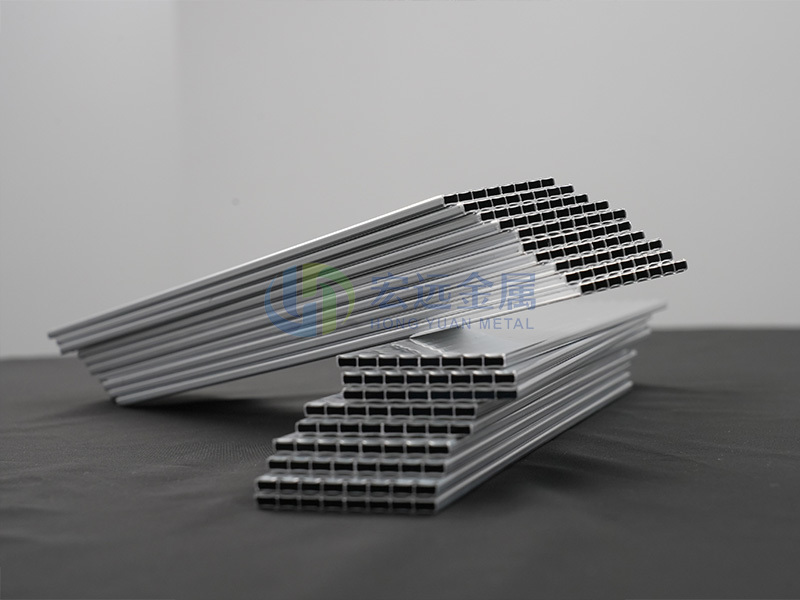
Oil cooler tubes are specialized conduits that facilitate the transfer of heat away from engine oil or hydraulic fluids. Typically made from materials that exhibit high thermal conductivity, such as aluminum or copper, these tubes are integral to various mechanical systems. They operate by allowing oil to flow through them while ambient air or another cooling medium circulates around them, effectively dissipating heat.
3. The Functionality of Oil Cooler Tubes
The functionality of oil cooler tubes can be understood through the principles of thermodynamics. As oil circulates through the engine, it absorbs heat generated by friction and combustion. The oil then passes through the cooler tubes, where the heat is transferred to the surrounding air or coolant. This process is crucial in preventing oil from reaching temperatures that could compromise the performance and integrity of machinery.
3.1 How Oil Cooler Tubes Work
The design of oil cooler tubes typically involves multiple fins or passages to maximize surface area, enhancing the heat exchange process. When hot oil enters the tube, it encounters cooler air or fluid outside. This transfer of heat is expedited by the flow dynamics and the thermal properties of the materials used, ensuring that the oil exits the cooler at a lower temperature.
3.2 Types of Oil Cooler Tubes
There are several types of oil cooler tubes based on their design and application:
- **Air Cooled Tubes:** Utilize ambient air to cool the oil, common in automotive applications.
- **Liquid Cooled Tubes:** Use another liquid, often coolant, to absorb heat from the oil, typically found in larger industrial systems.
- **Plate and Frame Coolers:** Feature multiple plates stacked together, allowing for efficient heat exchange.
4. Benefits of Using Oil Cooler Tubes
The implementation of oil cooler tubes in machinery yields numerous benefits that enhance operational efficiency and reliability.
4.1 Enhanced Equipment Performance
By maintaining optimal oil temperatures, oil cooler tubes ensure that machinery operates at peak performance. This is particularly vital in high-demand scenarios where consistent performance is critical.
4.2 Increased Lifespan of Equipment
Overheating can lead to accelerated wear and tear on engine components. Oil cooler tubes mitigate this risk, contributing to a longer lifespan for machinery and reducing the frequency of repairs and replacements.
4.3 Reduced Energy Consumption
By effectively managing the temperature of the oil, oil cooler tubes also help in reducing energy consumption. Cooler oil enhances lubrication properties, requiring less energy for pumps and motors to function effectively.
5. Applications of Oil Cooler Tubes
Oil cooler tubes are utilized across various industries, including:
- **Automotive:** Used in engines and transmission systems to maintain optimal oil temperatures.
- **Hydraulic Systems:** Essential in construction and manufacturing machinery to ensure efficient operation.
- **Marine Applications:** Help in cooling engine oil in boats and ships to prevent overheating during prolonged use.
6. Maintenance of Oil Cooler Tubes
Regular maintenance of oil cooler tubes is crucial for ensuring their efficiency and longevity. Here are some key practices to follow:
- **Routine Inspections:** Regularly check for signs of wear or damage, such as leaks or corrosion.
- **Cleaning:** Keep the exterior and fins of the cooler free from debris to enhance air circulation and heat exchange efficiency.
- **Fluid Replacement:** Ensure that the oil and coolant are replaced at regular intervals to prevent contamination and maintain cooling efficiency.
7. Common Issues and Solutions
Despite their robust design, oil cooler tubes can encounter several issues. Here are some common problems and their solutions:
7.1 Leaks
**Problem:** Leaks can occur due to corrosion or mechanical failure.
**Solution:** Regular inspections and timely replacements of worn components can prevent leaks from becoming significant issues.
7.2 Clogging
**Problem:** Debris accumulation can hinder oil flow.
**Solution:** Implement a routine cleaning schedule to prevent clogging and ensure optimal oil flow.
7.3 Inefficient Cooling
**Problem:** If the oil cooler is not effectively cooling the oil, it can lead to overheating.
**Solution:** Check for airflow obstructions and ensure that the cooler is free from dirt and debris.
8. Frequently Asked Questions (FAQs)
8.1 What materials are oil cooler tubes made from?
Oil cooler tubes are typically made from aluminum or copper due to their excellent thermal conductivity and resistance to corrosion.
8.2 How often should I inspect my oil cooler tubes?
It is advisable to inspect oil cooler tubes at least once a year or more frequently in high-use equipment.
8.3 Can oil cooler tubes be repaired?
In many cases, minor leaks and issues can be repaired, but severe damage usually necessitates replacement.
8.4 What are the symptoms of a failing oil cooler tube?
Symptoms include overheating engines, oil leaks, and a drop in performance or efficiency.
8.5 Do oil cooler tubes require specific maintenance practices?
Yes, regular inspections, cleanings, and fluid replacements are essential for maintaining their effectiveness.
9. Conclusion
In conclusion, oil cooler tubes play an invaluable role in enhancing the efficiency and reliability of industrial machinery. By effectively managing the temperature of oil, these components not only improve performance but also extend the lifespan of equipment and reduce energy consumption. Regular maintenance and monitoring are essential to ensure their optimal functioning. As industries continue to evolve, the importance of oil cooler tubes in maximizing equipment efficiency cannot be overstated, making them a critical component in various applications across the board.
BLOGS
Understanding Microchannel Flat Tube Coils: The Future of HVAC Efficiency
Microchannel flat tube coils represent an innovative advancement in the design and functionality of HVAC systems, particularly in air conditioning, refrigeration, and ventilation equipment. These coils are comprised of flat tubes that are arranged in a compact configuration, offering several advantages over traditional round tube coils. One of the primary benefits is their enhanced heat transfer e

Microchannel Aluminum Flat Tubes: The Future of Lightweight Building Materials
Microchannel Aluminum Flat Tubes: The Future of Lightweight Building Materials Table of Contents 1. Introduction to Microchannel Aluminum Flat Tubes 2. What Are Microchannel Aluminum Flat Tubes? 3. Advantages of Microchannel Aluminum Flat Tubes 3.1 Lightweight Design 3.2 Thermal Efficiency 3.3 Corrosion Resistance 4. Applicatio

Understanding Oil Cooler Tubes: Essential Components for Efficient Performance
Oil cooler tubes play a crucial role in various applications, particularly within the construction and decorative materials sector. These components are essential for regulating the temperature of oil in machinery, ensuring optimal performance and longevity. Whether in heavy-duty equipment or smaller machines, understanding the function and importance of oil cooler tubes can greatly enhance operat

Maximizing Air Flow with Round Tubes for Air Coolers
Maximizing Air Flow with Round Tubes for Air Coolers Introduction to Air Flow in Cooling Systems In the realm of climate control, effective air flow is crucial. Air coolers rely on the movement of air to regulate temperatures, making the design of air ducts and tubes a significant factor in their performance. This article focuses on the advantages of using round tubes in air cooling systems, s

Understanding Coaxial Heat Exchanger Tubes: A Key Component in Modern Architecture
Coaxial heat exchanger tubes are innovative components designed to improve thermal efficiency in various systems. Unlike traditional heat exchangers, which often utilize a single pipe or tube for heat transfer, coaxial heat exchangers consist of one tube inside another, allowing for a more efficient transfer of heat. This design not only maximizes the surface area for heat exchange but also minimi

Preflux Coating: Enhancing the Performance of Flat Tubes in Construction
Introduction to Preflux Coating and Its Importance in Construction In the realm of construction, the materials used can significantly impact the overall quality and longevity of structures. One such material that has garnered attention is **flat tubes**, particularly those treated with **preflux coating**. This innovative technology not only enhances the performance of flat tubes but also plays a