
Coaxial heat exchanger tube
Release time:
2025-10-29
The coaxial heat exchanger tube features a unique construction where one tube is inserted inside another, creating an annular space.
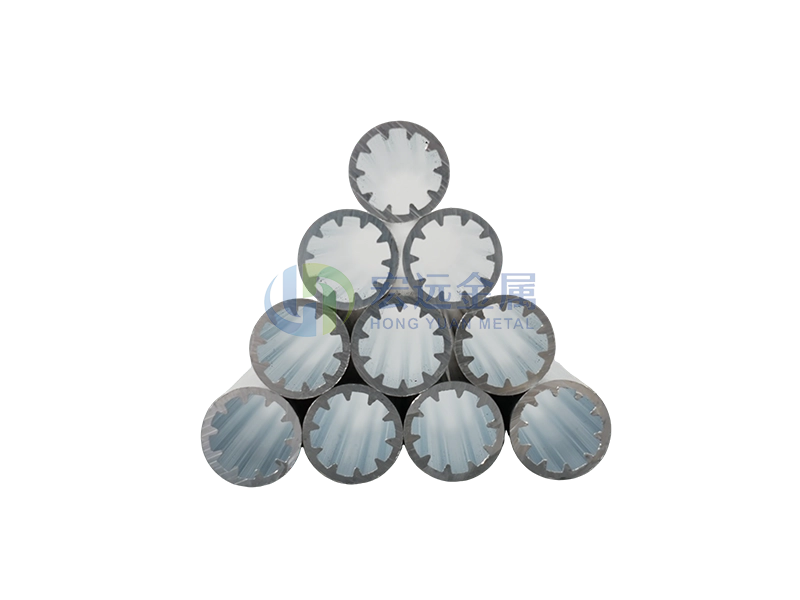
The coaxial heat exchanger tube features a unique construction where one tube is inserted inside another, creating an annular space. This design allows for a highly efficient transfer of heat between two fluids—one flowing inside the inner tube and the other circulating in the outer annular space. By maximizing the surface area for heat exchange, the coaxial configuration increases the heat transfer efficiency while minimizing the system’s overall size.
Key Advantages:
Compact Design: Unlike traditional heat exchangers, which may require large amounts of space, the coaxial design allows for a much more compact and space-saving installation, making it ideal for applications with limited space.
Superior Heat Transfer Efficiency: The close proximity of the inner and outer tubes increases the heat transfer surface, resulting in faster and more efficient temperature regulation. This ensures the system operates at optimal efficiency, reducing energy consumption.
Reduced Fouling and Maintenance: The coaxial structure naturally reduces the chances of fouling, a common issue in heat exchangers, where debris can build up and hinder performance. This results in lower maintenance requirements and longer operational lifespans.
Versatility Across Industries: Coaxial heat exchanger tubes are widely used in a range of industries, including HVAC systems, refrigeration, automotive, and even the energy sector. Their efficiency and compact design make them highly versatile for various applications, from residential units to industrial-scale operations.
Cost Savings: By improving energy efficiency and reducing the need for maintenance, the coaxial heat exchanger tube can lead to significant cost savings in the long term, making it a wise investment for businesses looking to reduce operational costs.
Conclusion
The coaxial heat exchanger tube is undoubtedly a standout product in the field of thermal management. Its efficient heat transfer, compact design, and reduced maintenance requirements make it a top choice for a wide array of industries. As the demand for energy-efficient solutions continues to rise, coaxial heat exchangers are poised to play a pivotal role in shaping the future of industrial heating and cooling systems.
BLOGS

Understanding Preflux Coating for Flat Tubes in Steel Construction
Preflux coating is a process applied to flat tubes that significantly enhances their performance and longevity in various construction and decorative applications. This specialized coating takes place before the welding process and serves as a protective layer that can improve the overall efficiency of the metal during subsequent manufacturing stages. One of the main benefits of preflux coating is

The Environmental Advantages of Using Zn-Silflux Coating Flat Tubes
The Environmental Advantages of Using Zn-Silflux Coating Flat Tubes Table of Contents 1. Introduction to Zn-Silflux Coating Flat Tubes 2. What is Zn-Silflux Coating? 3. Benefits of Using Zn-Silflux Coating Flat Tubes 3.1 Durability and Longevity 3.2 Corrosion Resistance 3.3 Energy Efficiency 4. Environmental Impact of Zn-Silflu
Understanding Microchannel Flat Tube Coils: The Future of HVAC Efficiency
Microchannel flat tube coils represent an innovative advancement in the design and functionality of HVAC systems, particularly in air conditioning, refrigeration, and ventilation equipment. These coils are comprised of flat tubes that are arranged in a compact configuration, offering several advantages over traditional round tube coils. One of the primary benefits is their enhanced heat transfer e

Microchannel Aluminum Flat Tubes: The Future of Lightweight Building Materials
Microchannel Aluminum Flat Tubes: The Future of Lightweight Building Materials Table of Contents 1. Introduction to Microchannel Aluminum Flat Tubes 2. What Are Microchannel Aluminum Flat Tubes? 3. Advantages of Microchannel Aluminum Flat Tubes 3.1 Lightweight Design 3.2 Thermal Efficiency 3.3 Corrosion Resistance 4. Applicatio

Understanding Oil Cooler Tubes: Essential Components for Efficient Performance
Oil cooler tubes play a crucial role in various applications, particularly within the construction and decorative materials sector. These components are essential for regulating the temperature of oil in machinery, ensuring optimal performance and longevity. Whether in heavy-duty equipment or smaller machines, understanding the function and importance of oil cooler tubes can greatly enhance operat

Maximizing Air Flow with Round Tubes for Air Coolers
Maximizing Air Flow with Round Tubes for Air Coolers Introduction to Air Flow in Cooling Systems In the realm of climate control, effective air flow is crucial. Air coolers rely on the movement of air to regulate temperatures, making the design of air ducts and tubes a significant factor in their performance. This article focuses on the advantages of using round tubes in air cooling systems, s