
Innovative Applications of Aluminum Round Tube Coils in Industrial Ventilation
Release time:
2026-02-25
Innovative Applications of Aluminum Round Tube Coils in Industrial Ventilation Table of Contents 1. Introduction to Aluminum Round Tube Coils 2. Key Benefits of Aluminum Round Tube Coils 3. Innovative Applications in Industrial Ventilation 4. Design Considerations for Optimal Performance 5. Enhancing Energy Efficiency with Aluminum Coils 6. Maintenance and Longevity of Alu
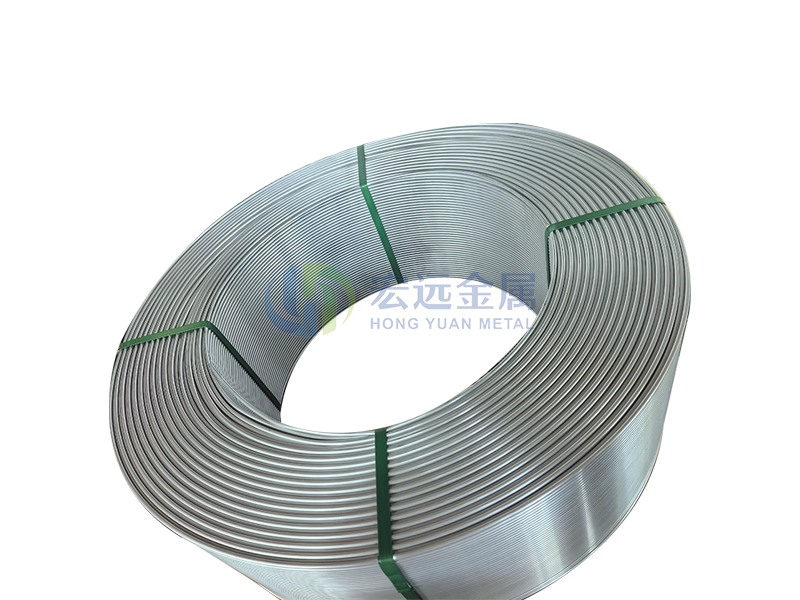
Innovative Applications of Aluminum Round Tube Coils in Industrial Ventilation
Table of Contents
- 1. Introduction to Aluminum Round Tube Coils
- 2. Key Benefits of Aluminum Round Tube Coils
- 3. Innovative Applications in Industrial Ventilation
- 4. Design Considerations for Optimal Performance
- 5. Enhancing Energy Efficiency with Aluminum Coils
- 6. Maintenance and Longevity of Aluminum Coils
- 7. Future Trends in Industrial Ventilation Technology
- 8. Conclusion
- 9. FAQs about Aluminum Round Tube Coils
1. Introduction to Aluminum Round Tube Coils
Aluminum round tube coils have become a cornerstone in the field of industrial ventilation. These components are essential for efficient air distribution and temperature control in various industries, from manufacturing to food processing. Their lightweight yet robust nature, combined with excellent thermal conductivity, makes them an attractive option for engineers and facility managers looking to optimize their ventilation systems.
2. Key Benefits of Aluminum Round Tube Coils
Aluminum round tube coils offer several advantages that make them unique in the realm of industrial ventilation:
2.1 Lightweight and Durable
Aluminum is inherently lightweight, reducing the structural load on ventilation systems. This characteristic not only simplifies installation but also enhances mobility within facilities. Additionally, aluminum's resistance to corrosion ensures long-lasting performance, even in challenging environments.
2.2 Excellent Thermal Conductivity
One of the standout features of aluminum is its ability to conduct heat efficiently. This property enables rapid heat exchange, crucial for maintaining optimal temperature levels within industrial spaces. As a result, aluminum round tube coils effectively enhance cooling and heating processes.
2.3 Versatility in Design
Aluminum coils can be manufactured in various designs to meet specific application needs. This versatility allows industries to customize their ventilation systems, ensuring maximum efficiency and effectiveness regardless of the operational demands.
2.4 Cost-Effectiveness
While the initial investment in aluminum round tube coils may seem significant, their durability and efficiency lead to substantial long-term savings. Lower energy consumption and reduced maintenance costs make aluminum coils a smart choice for budget-conscious industries.
3. Innovative Applications in Industrial Ventilation
The applications of aluminum round tube coils are vast, ranging from HVAC systems to specialized industrial processes. Here are some innovative uses:
3.1 HVAC Systems
In heating, ventilation, and air conditioning (HVAC) systems, aluminum coils are used in both air handling units and fan coil units. Their lightweight design facilitates easy installation and maintenance, while their thermal efficiency ensures optimal climate control.
3.2 Refrigeration Systems
In refrigeration applications, aluminum round tube coils play a critical role in heat exchange processes. They help maintain desired temperatures in cold storage facilities, ensuring product safety and quality, particularly in the food industry.
3.3 Dehumidification Processes
Aluminum coils are integral in dehumidification systems, helping to control moisture levels in industrial settings. By effectively removing humidity, these coils contribute to air quality improvements and equipment protection.
3.4 Process Cooling
Industries such as chemical manufacturing often require process cooling to maintain safe operating temperatures. Aluminum round tube coils provide a reliable solution for heat dissipation in these applications, enhancing operational safety and efficiency.
3.5 Air Quality Improvement
Utilizing aluminum coils in air filtration systems supports better air quality management. By facilitating efficient airflow and temperature control, these coils help maintain a healthy indoor environment for employees.
4. Design Considerations for Optimal Performance
When integrating aluminum round tube coils into industrial ventilation systems, several design considerations come into play:
4.1 Coil Configuration
Different configurations, such as finned or non-finned coils, can significantly impact the efficiency of heat exchange. Selecting the right configuration based on the specific application is crucial for achieving optimal performance.
4.2 Surface Area
Maximizing the surface area of the coils enhances their thermal exchange capabilities. Engineers must consider the balance between size and space constraints to achieve effective airflow and heat transfer.
4.3 Airflow Patterns
Understanding airflow patterns within a facility is essential for designing efficient ventilation systems. Proper placement and orientation of aluminum coils can dramatically influence air distribution and overall system efficiency.
4.4 Integration with Other Systems
Aluminum round tube coils should be designed to integrate seamlessly with other components, such as fans and filters, to create a cohesive and efficient ventilation system. This integration helps streamline operations and reduces energy consumption.
5. Enhancing Energy Efficiency with Aluminum Coils
The push for sustainable practices in industrial operations has led to a greater focus on energy efficiency. Aluminum round tube coils can help industries achieve these goals in several ways:
5.1 Reduced Energy Consumption
The superior thermal conductivity of aluminum allows for faster heat exchange, which can lead to reduced energy consumption in heating and cooling systems. Facilities utilizing aluminum coils often notice a significant decrease in their energy bills.
5.2 Improved System Reliability
The durability of aluminum coils means that they require less frequent replacement, reducing waste and contributing to more sustainable practices. This reliability also minimizes downtime due to equipment failure.
5.3 Compliance with Environmental Standards
Many industries face stringent regulations regarding energy use and emissions. Incorporating aluminum round tube coils can help companies comply with these standards while also enhancing their reputation as environmentally responsible organizations.
6. Maintenance and Longevity of Aluminum Coils
To ensure the longevity and efficiency of aluminum round tube coils, regular maintenance is essential. Here are some best practices:
6.1 Regular Inspections
Conducting regular inspections of aluminum coils allows facility managers to identify potential issues before they escalate. Monitoring for signs of wear or corrosion can help maintain optimal performance.
6.2 Cleaning Protocols
Dust and debris can impair the efficiency of aluminum coils. Establishing a routine cleaning schedule can help maintain airflow and thermal exchange, ensuring that the coils function effectively.
6.3 Professional Servicing
While routine maintenance can be performed in-house, scheduling professional servicing periodically can provide a thorough evaluation. Professionals can identify underlying issues that non-experts may overlook.
7. Future Trends in Industrial Ventilation Technology
The landscape of industrial ventilation is constantly evolving. Here are some future trends to watch:
7.1 Smart Technology Integration
The integration of smart technologies in industrial ventilation systems is on the rise. Advanced sensors and IoT devices can optimize the performance of aluminum round tube coils, enabling real-time monitoring and adjustments.
7.2 Sustainable Practices
As industries seek to reduce their environmental footprint, sustainable practices will play a vital role in the future of ventilation technology. Aluminum's recyclability and energy efficiency align well with these goals.
7.3 Enhanced Customization
The demand for customized solutions tailored to specific industrial needs will continue to grow. Manufacturers are likely to offer more flexible designs and configurations for aluminum round tube coils to meet diverse requirements.
8. Conclusion
Aluminum round tube coils have proven themselves to be essential components in industrial ventilation systems. Their lightweight, durable nature combined with excellent thermal conductivity makes them a top choice for optimizing air quality and energy efficiency. As industries continue to evolve, the innovative applications and design considerations of these coils will play a vital role in shaping the future of ventilation technology.
9. FAQs about Aluminum Round Tube Coils
9.1 What are aluminum round tube coils?
Aluminum round tube coils are components used in ventilation systems that facilitate heat exchange. They are lightweight, corrosion-resistant, and highly efficient.
9.2 How do aluminum coils improve energy efficiency?
Aluminum coils conduct heat efficiently, leading to faster heat exchange and reduced energy consumption in heating and cooling processes.
9.3 What industries benefit from aluminum round tube coils?
Industries such as HVAC, refrigeration, food processing, and chemical manufacturing benefit greatly from the use of aluminum round tube coils.
9.4 How often should aluminum coils be maintained?
Regular inspections and cleaning should be conducted at least quarterly, while professional servicing may be scheduled annually, depending on usage levels.
9.5 Are aluminum coils recyclable?
Yes, aluminum is highly recyclable, making aluminum round tube coils an environmentally friendly choice for industrial applications.
BLOGS
Understanding Microchannel Flat Tube Coils: The Future of HVAC Efficiency
Microchannel flat tube coils represent an innovative advancement in the design and functionality of HVAC systems, particularly in air conditioning, refrigeration, and ventilation equipment. These coils are comprised of flat tubes that are arranged in a compact configuration, offering several advantages over traditional round tube coils. One of the primary benefits is their enhanced heat transfer e

Microchannel Aluminum Flat Tubes: The Future of Lightweight Building Materials
Microchannel Aluminum Flat Tubes: The Future of Lightweight Building Materials Table of Contents 1. Introduction to Microchannel Aluminum Flat Tubes 2. What Are Microchannel Aluminum Flat Tubes? 3. Advantages of Microchannel Aluminum Flat Tubes 3.1 Lightweight Design 3.2 Thermal Efficiency 3.3 Corrosion Resistance 4. Applicatio

Understanding Oil Cooler Tubes: Essential Components for Efficient Performance
Oil cooler tubes play a crucial role in various applications, particularly within the construction and decorative materials sector. These components are essential for regulating the temperature of oil in machinery, ensuring optimal performance and longevity. Whether in heavy-duty equipment or smaller machines, understanding the function and importance of oil cooler tubes can greatly enhance operat

Maximizing Air Flow with Round Tubes for Air Coolers
Maximizing Air Flow with Round Tubes for Air Coolers Introduction to Air Flow in Cooling Systems In the realm of climate control, effective air flow is crucial. Air coolers rely on the movement of air to regulate temperatures, making the design of air ducts and tubes a significant factor in their performance. This article focuses on the advantages of using round tubes in air cooling systems, s

Understanding Coaxial Heat Exchanger Tubes: A Key Component in Modern Architecture
Coaxial heat exchanger tubes are innovative components designed to improve thermal efficiency in various systems. Unlike traditional heat exchangers, which often utilize a single pipe or tube for heat transfer, coaxial heat exchangers consist of one tube inside another, allowing for a more efficient transfer of heat. This design not only maximizes the surface area for heat exchange but also minimi

Preflux Coating: Enhancing the Performance of Flat Tubes in Construction
Introduction to Preflux Coating and Its Importance in Construction In the realm of construction, the materials used can significantly impact the overall quality and longevity of structures. One such material that has garnered attention is **flat tubes**, particularly those treated with **preflux coating**. This innovative technology not only enhances the performance of flat tubes but also plays a