
Understanding the Importance of Coaxial Heat Exchanger Tubes in Building Materials
Release time:
2026-02-28
Coaxial heat exchanger tubes are essential components in various applications, particularly in the construction and decorative materials industry. Their unique design allows for efficient thermal energy transfer between two fluids, making them a popular choice for heating and cooling systems. Understanding the functionality and advantages of these tubes can significantly enhance the performance an

One of the primary benefits of coaxial heat exchanger tubes is their compact design. Unlike traditional heat exchangers, coaxial tubes occupy less space while providing effective heat transfer. This compactness is particularly advantageous in building applications where space is often at a premium. With their ability to fit into tighter spaces, these tubes facilitate the integration of efficient heating and cooling solutions into a wide range of architectural designs.
In addition to space efficiency, coaxial heat exchanger tubes contribute to improved energy efficiency. By enhancing the heat transfer process, they reduce the energy required for heating and cooling systems. This not only lowers operational costs but also minimizes the environmental impact of buildings. As sustainability becomes a priority in construction, utilizing systems with coaxial heat exchanger tubes helps meet energy efficiency standards and regulations.
Moreover, the versatility of coaxial heat exchanger tubes allows them to be used in various applications, from residential heating systems to large-scale commercial HVAC systems. Their ability to handle both liquid and gas fluids makes them suitable for diverse systems, including geothermal heating and cooling, as well as in industrial processes where temperature control is crucial.
Another consideration when implementing coaxial heat exchanger tubes is their maintenance and durability. These tubes are typically constructed from high-quality materials, ensuring longevity and reliability in harsh conditions. Proper installation and regular maintenance can further enhance their lifespan, providing a long-term solution for efficient thermal management.
When selecting coaxial heat exchanger tubes for a project, it is essential to consider factors such as fluid compatibility, temperature range, and pressure ratings. Understanding these specifications will help professionals make informed decisions and ensure optimal performance in their systems.
In conclusion, coaxial heat exchanger tubes play a vital role in the construction and decorative materials industry, offering numerous benefits such as compactness, energy efficiency, and versatility. By incorporating these tubes into building projects, professionals can enhance system performance, reduce environmental impact, and contribute to the sustainability goals of modern architecture. As the industry continues to evolve, understanding the advantages and applications of coaxial heat exchanger tubes will remain essential for achieving effective and efficient building solutions.
BLOGS

Top Applications for Zn-Silflux Coating Flat Tubes in Building Materials
Top Applications for Zn-Silflux Coating Flat Tubes in Building Materials Introduction to Zn-Silflux Coating Flat Tubes Zn-Silflux coating flat tubes present a revolutionary advancement in the construction and building materials sector. With their unique properties, these tubes are crafted to meet the rigorous demands of modern construction while ensuring durability and reliability. They offer
Understanding the Importance of Coaxial Heat Exchanger Tubes in Building Materials
Coaxial heat exchanger tubes are essential components in various applications, particularly in the construction and decorative materials industry. Their unique design allows for efficient thermal energy transfer between two fluids, making them a popular choice for heating and cooling systems. Understanding the functionality and advantages of these tubes can significantly enhance the performance an
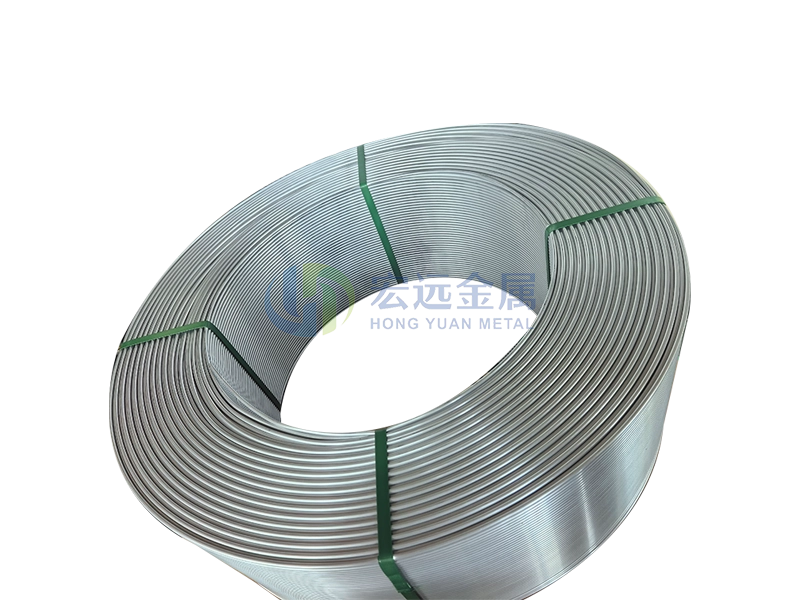
Innovative Applications of Aluminum Round Tube Coils in Industrial Ventilation
Innovative Applications of Aluminum Round Tube Coils in Industrial Ventilation Table of Contents 1. Introduction to Aluminum Round Tube Coils 2. Key Benefits of Aluminum Round Tube Coils 3. Innovative Applications in Industrial Ventilation 4. Design Considerations for Optimal Performance 5. Enhancing Energy Efficiency with Aluminum Coils 6. Maintenance and Longevity of Alu
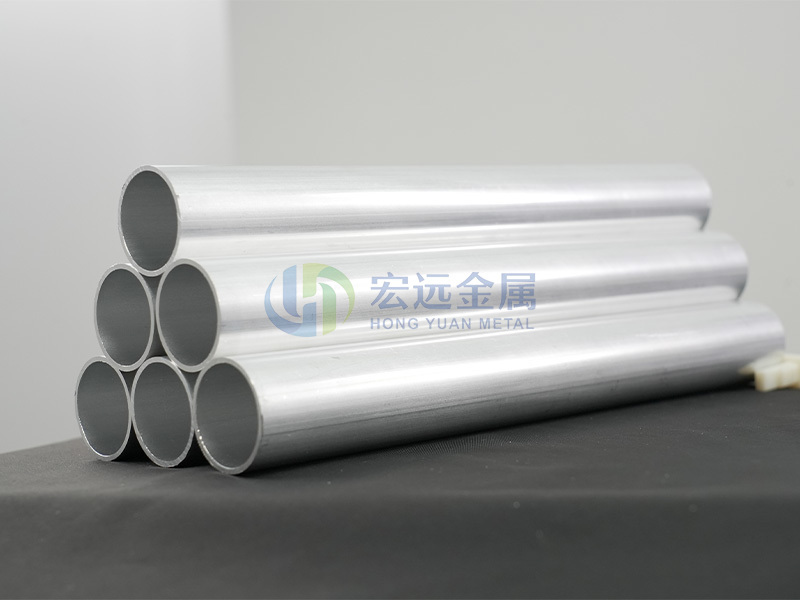
Enhancing Air Cooler Efficiency with Round Tubes: A Comprehensive Guide
In contemporary building and air conditioning design, the selection of materials plays a crucial role in the efficiency and effectiveness of systems such as air coolers. Among the various options available, round tubes, particularly those made from galvanized steel, have emerged as a preferred choice. This article delves into the characteristics and advantages of round tubes for air cooler applica

Overcoming Common Hydraulic System Challenges with Multi-Port Extrusion Tubes
Introduction: Understanding Hydraulic Systems In the world of industrial machinery, **hydraulic systems** serve as the backbone for many applications. These systems utilize pressurized fluid to transmit energy and power various components, ranging from construction equipment to manufacturing machines. However, despite their prevalent use, hydraulic systems often encounter numerous challenges that

Optimizing Battery Cooling with Wide MPE Tubes: An Innovative Approach
In the evolving landscape of battery technology, particularly in electric vehicles and renewable energy storage, effective cooling is paramount for maintaining optimal performance and prolonging battery life. One innovative solution in this realm is the use of Wide MPE tubes for battery cooling. MPE, or Modified Polyethylene, is a material known for its excellent thermal conductivity and flexibili