
Why High Corrosion Resistance Flat Tubes are Essential for Your Building Projects
Release time:
2026-05-26
Why High Corrosion Resistance Flat Tubes are Essential for Your Building Projects Building projects demand materials that not only meet structural needs but also endure the test of time. One such material that has gained immense popularity is **high corrosion resistance flat tubes**. These tubes are integral to various applications, offering numerous advantages that can significantly impact the lo
Why High Corrosion Resistance Flat Tubes are Essential for Your Building Projects
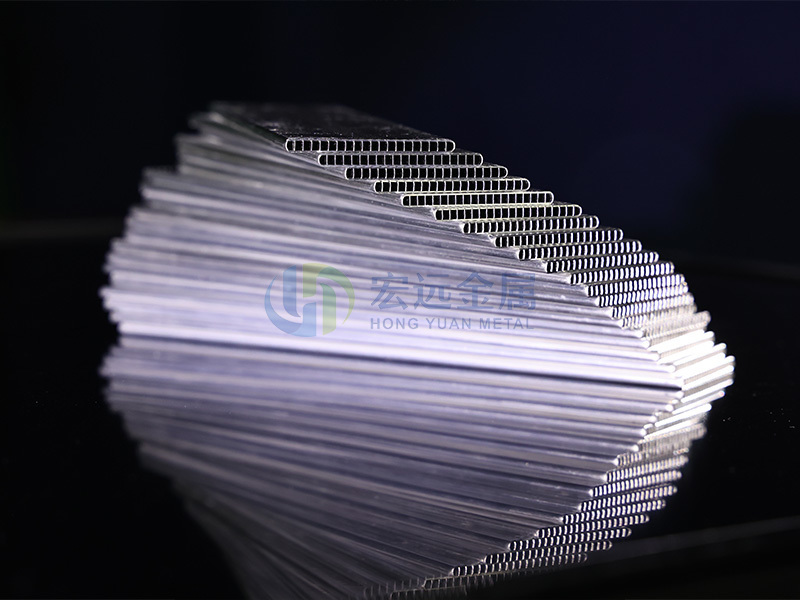
Building projects demand materials that not only meet structural needs but also endure the test of time. One such material that has gained immense popularity is **high corrosion resistance flat tubes**. These tubes are integral to various applications, offering numerous advantages that can significantly impact the longevity and safety of your construction.
In this article, we will explore the importance of high corrosion resistance flat tubes, their advantages, applications in different projects, and how they can be the cornerstone of modern construction.
Understanding Corrosion Resistance in Building Materials
Corrosion is the gradual destruction of materials, usually metals, due to chemical reactions with their environment. In construction, particularly in humid or chemically aggressive environments, corrosion can lead to severe structural failures and safety hazards. **Flat tubes with high corrosion resistance** are designed to combat this issue effectively.
What Are High Corrosion Resistance Flat Tubes?
High corrosion resistance flat tubes are specially engineered tubes made from materials that can withstand harsh conditions. Common materials include stainless steel, specialized alloys, and coatings that enhance their resistance to corrosion. These tubes are characterized by their flat shape, making them suitable for various structural and aesthetic applications.
How Do High Corrosion Resistance Flat Tubes Work?
These tubes work by utilizing advanced material science. Through the use of alloys and coatings, they form a protective layer that prevents corrosive substances from coming into contact with the metal surface. This innovative design extends the lifespan of the tubes and ultimately the structures they are part of.
The Importance of High Corrosion Resistance Flat Tubes in Construction
High corrosion resistance flat tubes offer a range of benefits that make them indispensable in modern construction projects.
1. Enhanced Durability
One of the primary advantages of these flat tubes is their **enhanced durability**. Structures that utilize high corrosion resistance materials are less likely to degrade over time. This durability translates to fewer repairs and replacements, saving time and money in the long run.
2. Improved Safety
Safety is paramount in construction. Corroded structural elements can lead to catastrophic failures. By using high corrosion resistance flat tubes, builders can ensure a safer environment for workers and occupants, significantly reducing the risk of accidents.
3. Cost-Effectiveness
While the initial investment in high corrosion resistance flat tubes may be higher than traditional materials, the long-term savings are substantial. Lower maintenance costs and extended service life mean that these tubes are more cost-effective over the lifespan of a building.
Applications of High Corrosion Resistance Flat Tubes in Building Projects
High corrosion resistance flat tubes are versatile and can be utilized in various applications, including:
1. Structural Support
In commercial and residential buildings, these tubes provide essential structural support. Their strength and corrosion resistance make them ideal for load-bearing applications.
2. HVAC Systems
The heating, ventilation, and air conditioning (HVAC) systems often contain moisture and chemicals that can corrode standard materials. High corrosion resistance flat tubes ensure that these systems function effectively without compromising integrity.
3. Plumbing Systems
In plumbing applications, pipes are constantly exposed to water and potential corrosive agents. Using high corrosion resistance flat tubes can prevent leaks and failures, maintaining a reliable plumbing system.
4. Architectural Elements
These flat tubes can also serve aesthetic purposes in architecture, being used in railings, facades, and artistic installations. Their sleek design combined with durability enhances the visual appeal of structures.
Key Considerations When Choosing High Corrosion Resistance Flat Tubes
Selecting the right flat tubes for your project is crucial. Here are some key factors to consider:
1. Material Type
Different materials offer varying levels of corrosion resistance. Stainless steel is a popular choice, but there are other options like titanium and specialized coatings that may suit specific environmental conditions better.
2. Thickness and Size
The thickness and size of the tubes should correspond to the load requirements of your project. Ensuring the right dimensions will enhance their performance and longevity.
3. Environmental Conditions
Assessing the environmental conditions where the tubes will be installed is vital. High humidity, exposure to chemicals, and temperature fluctuations can all impact corrosion rates.
Maintenance for High Corrosion Resistance Flat Tubes
While high corrosion resistance flat tubes require less maintenance than traditional materials, some care is still necessary to maximize their lifespan.
1. Regular Inspections
Conducting regular inspections helps identify potential issues early on. Look for any signs of wear or damage that may compromise the integrity of the tubes.
2. Cleaning
Occasionally cleaning the tubes can prevent the buildup of corrosive substances. Use appropriate cleaning agents that will not damage the protective layers.
FAQs About High Corrosion Resistance Flat Tubes
1. What materials are used to create high corrosion resistance flat tubes?
High corrosion resistance flat tubes are typically made from stainless steel, titanium, and specialized alloys, often combined with protective coatings.
2. How do I determine the right size of flat tubes for my project?
The size and thickness of flat tubes should be based on the load-bearing requirements and specific application needs. Consulting with a structural engineer can help make the correct choice.
3. Are high corrosion resistance flat tubes environmentally friendly?
Many of these tubes are designed to be environmentally friendly, using recyclable materials and processes that reduce environmental impact.
4. What industries commonly use high corrosion resistance flat tubes?
These tubes are widely used in construction, HVAC, plumbing, and various industrial applications due to their durability and resistance to harsh conditions.
5. Can I use high corrosion resistance flat tubes in outdoor applications?
Yes, these tubes are ideal for outdoor applications, especially in coastal areas or places with high humidity, as they can withstand environmental challenges effectively.
Conclusion
In summary, **high corrosion resistance flat tubes** are vital for modern building projects. Their durability, safety, and cost-effectiveness make them an essential choice for architects and builders alike. By selecting the right materials and ensuring proper maintenance, you can significantly enhance the lifespan and reliability of your structures. Investing in these advanced materials not only protects your investment but also contributes to safer, more sustainable building practices.
BLOGS

Understanding Preflux Coating for Flat Tubes in Steel Construction
Preflux coating is a process applied to flat tubes that significantly enhances their performance and longevity in various construction and decorative applications. This specialized coating takes place before the welding process and serves as a protective layer that can improve the overall efficiency of the metal during subsequent manufacturing stages. One of the main benefits of preflux coating is

The Environmental Advantages of Using Zn-Silflux Coating Flat Tubes
The Environmental Advantages of Using Zn-Silflux Coating Flat Tubes Table of Contents 1. Introduction to Zn-Silflux Coating Flat Tubes 2. What is Zn-Silflux Coating? 3. Benefits of Using Zn-Silflux Coating Flat Tubes 3.1 Durability and Longevity 3.2 Corrosion Resistance 3.3 Energy Efficiency 4. Environmental Impact of Zn-Silflu
Understanding Microchannel Flat Tube Coils: The Future of HVAC Efficiency
Microchannel flat tube coils represent an innovative advancement in the design and functionality of HVAC systems, particularly in air conditioning, refrigeration, and ventilation equipment. These coils are comprised of flat tubes that are arranged in a compact configuration, offering several advantages over traditional round tube coils. One of the primary benefits is their enhanced heat transfer e

Microchannel Aluminum Flat Tubes: The Future of Lightweight Building Materials
Microchannel Aluminum Flat Tubes: The Future of Lightweight Building Materials Table of Contents 1. Introduction to Microchannel Aluminum Flat Tubes 2. What Are Microchannel Aluminum Flat Tubes? 3. Advantages of Microchannel Aluminum Flat Tubes 3.1 Lightweight Design 3.2 Thermal Efficiency 3.3 Corrosion Resistance 4. Applicatio

Understanding Oil Cooler Tubes: Essential Components for Efficient Performance
Oil cooler tubes play a crucial role in various applications, particularly within the construction and decorative materials sector. These components are essential for regulating the temperature of oil in machinery, ensuring optimal performance and longevity. Whether in heavy-duty equipment or smaller machines, understanding the function and importance of oil cooler tubes can greatly enhance operat

Maximizing Air Flow with Round Tubes for Air Coolers
Maximizing Air Flow with Round Tubes for Air Coolers Introduction to Air Flow in Cooling Systems In the realm of climate control, effective air flow is crucial. Air coolers rely on the movement of air to regulate temperatures, making the design of air ducts and tubes a significant factor in their performance. This article focuses on the advantages of using round tubes in air cooling systems, s