
Understanding the Benefits of Microchannel Flat Tube Coils in HVAC Systems
Release time:
2026-05-29
In the realm of HVAC (Heating, Ventilation, and Air Conditioning) systems, the choice of components can significantly impact overall performance. One such crucial component is the microchannel flat tube coil. These coils are gaining traction due to their unique design and operational benefits, making them an essential consideration for industrial equipment in air conditioning, refrigeration, and v

Microchannel flat tube coils are characterized by their compact design, which utilizes a series of flat tubes for fluid transport. Unlike traditional round tube coils, the microchannel design increases the surface area available for heat exchange, thereby enhancing the thermal efficiency of the system. This is particularly advantageous in applications where space is limited, as the slim profile of the microchannel coils allows for more flexibility in installation and integration into existing systems.
One of the standout features of microchannel flat tube coils is their superior heat transfer capabilities. The larger surface area and smaller refrigerant pathways enable more effective heat exchange, which can lead to improved system efficiency. As a result, HVAC systems equipped with these coils often require less energy to achieve the desired temperature, contributing to lower operational costs and reduced greenhouse gas emissions.
Furthermore, the construction of microchannel coils is typically made from aluminum, which offers several benefits over traditional copper coils. Aluminum is not only lighter but also resistant to corrosion, which enhances the longevity of the coils. This durability is particularly beneficial in harsh environments or applications with high humidity, where traditional coils may degrade more rapidly.
Another important aspect of microchannel flat tube coils is their ability to accommodate higher refrigerant pressures, making them suitable for modern refrigerants that are being adopted to meet environmental regulations. This adaptability positions microchannel coils as an efficient solution for both current and future HVAC technologies.
In addition to their performance advantages, microchannel flat tube coils can also simplify maintenance procedures. Their design allows for easier cleaning and servicing, which helps to maintain system efficiency over time. Regular maintenance is crucial in HVAC systems, and the ease of access provided by these coils can lead to better upkeep and longer system lifespans.
In conclusion, the microchannel flat tube coil represents a significant advancement in HVAC technology. Its enhanced thermal efficiency, reduced space requirements, and superior durability make it an ideal choice for industrial air conditioning, refrigeration, and ventilation applications. As the industry continues to evolve towards more sustainable and efficient solutions, the adoption of microchannel coils is likely to expand, setting a new standard for performance in HVAC systems.
BLOGS

Understanding Preflux Coating for Flat Tubes in Steel Construction
Preflux coating is a process applied to flat tubes that significantly enhances their performance and longevity in various construction and decorative applications. This specialized coating takes place before the welding process and serves as a protective layer that can improve the overall efficiency of the metal during subsequent manufacturing stages. One of the main benefits of preflux coating is

The Environmental Advantages of Using Zn-Silflux Coating Flat Tubes
The Environmental Advantages of Using Zn-Silflux Coating Flat Tubes Table of Contents 1. Introduction to Zn-Silflux Coating Flat Tubes 2. What is Zn-Silflux Coating? 3. Benefits of Using Zn-Silflux Coating Flat Tubes 3.1 Durability and Longevity 3.2 Corrosion Resistance 3.3 Energy Efficiency 4. Environmental Impact of Zn-Silflu
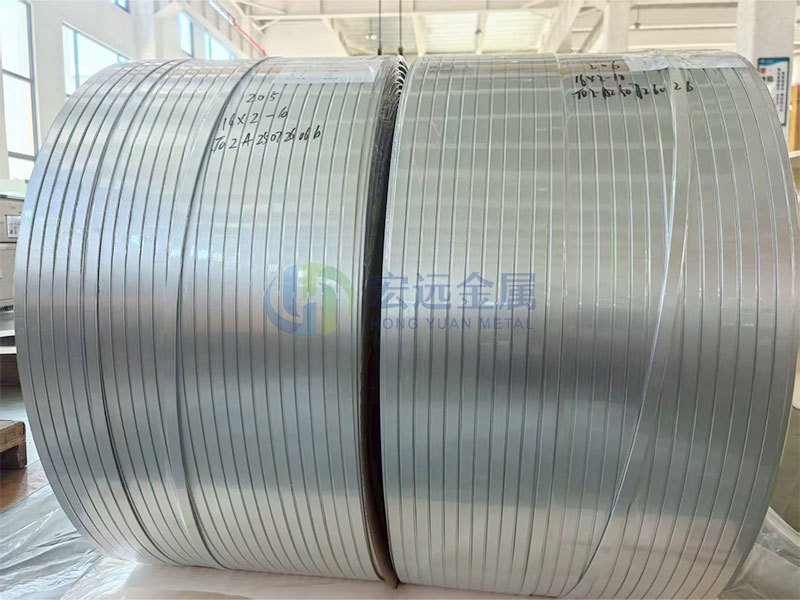
Understanding Microchannel Flat Tube Coils: The Future of HVAC Efficiency
Microchannel flat tube coils represent an innovative advancement in the design and functionality of HVAC systems, particularly in air conditioning, refrigeration, and ventilation equipment. These coils are comprised of flat tubes that are arranged in a compact configuration, offering several advantages over traditional round tube coils. One of the primary benefits is their enhanced heat transfer e

Microchannel Aluminum Flat Tubes: The Future of Lightweight Building Materials
Microchannel Aluminum Flat Tubes: The Future of Lightweight Building Materials Table of Contents 1. Introduction to Microchannel Aluminum Flat Tubes 2. What Are Microchannel Aluminum Flat Tubes? 3. Advantages of Microchannel Aluminum Flat Tubes 3.1 Lightweight Design 3.2 Thermal Efficiency 3.3 Corrosion Resistance 4. Applicatio

Understanding Oil Cooler Tubes: Essential Components for Efficient Performance
Oil cooler tubes play a crucial role in various applications, particularly within the construction and decorative materials sector. These components are essential for regulating the temperature of oil in machinery, ensuring optimal performance and longevity. Whether in heavy-duty equipment or smaller machines, understanding the function and importance of oil cooler tubes can greatly enhance operat

Maximizing Air Flow with Round Tubes for Air Coolers
Maximizing Air Flow with Round Tubes for Air Coolers Introduction to Air Flow in Cooling Systems In the realm of climate control, effective air flow is crucial. Air coolers rely on the movement of air to regulate temperatures, making the design of air ducts and tubes a significant factor in their performance. This article focuses on the advantages of using round tubes in air cooling systems, s