
Microchannel Flat Tube Coils vs Traditional Coils: A Comprehensive Comparison for HVAC Professionals
Release time:
2026-06-13
Microchannel Flat Tube Coils vs Traditional Coils: A Comprehensive Comparison Table of Contents 1. Introduction to Coil Technologies 2. What are Microchannel Flat Tube Coils? 3. What are Traditional Coils? 4. Key Differences Between Microchannel and Traditional Coils 4.1 Design and Structure 4.2 Heat Transfer Efficiency 4.3 Weight and Size Considerations 4.4 Cost Factors 5. Advantages of Microchan
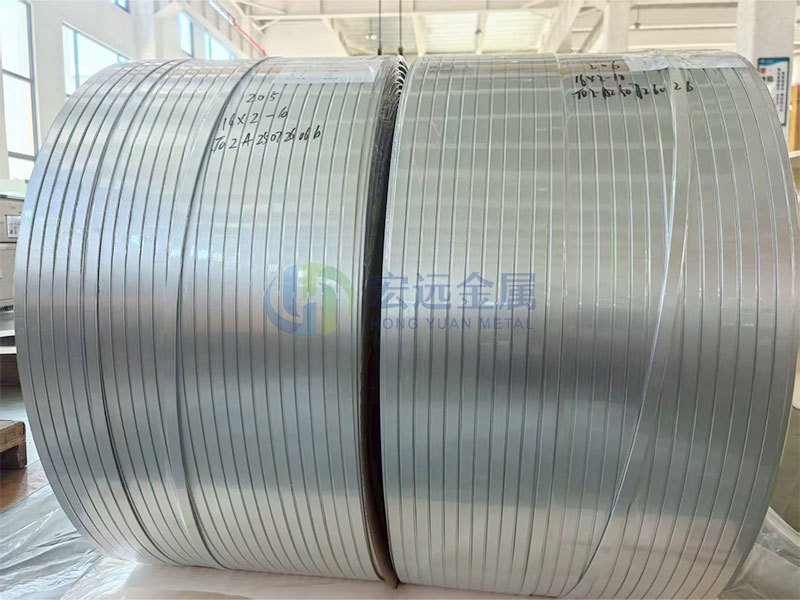
Microchannel Flat Tube Coils vs Traditional Coils: A Comprehensive Comparison
Table of Contents
1. Introduction to Coil Technologies
2. What are Microchannel Flat Tube Coils?
3. What are Traditional Coils?
4. Key Differences Between Microchannel and Traditional Coils
4.1 Design and Structure
4.2 Heat Transfer Efficiency
4.3 Weight and Size Considerations
4.4 Cost Factors
5. Advantages of Microchannel Flat Tube Coils
6. Advantages of Traditional Coils
7. Applications in HVAC Systems
8. FAQs about Coil Technologies
9. Conclusion: Choosing the Right Coil for Your Needs
1. Introduction to Coil Technologies
In the HVAC (Heating, Ventilation, and Air Conditioning) industry, the choice of coil technology significantly influences system performance. Understanding the distinctions between Microchannel Flat Tube Coils and Traditional Coils is essential for engineers and technicians. This guide aims to provide a comprehensive comparison to aid in selecting the best solution for specific applications.
2. What are Microchannel Flat Tube Coils?
Microchannel Flat Tube Coils represent a breakthrough in heat exchanger technology. These coils utilize flat tubes with multiple channels, allowing for efficient refrigerant flow and enhanced heat transfer capabilities. The compact design reduces refrigerant charge, making them environmentally friendly and cost-effective.
3. What are Traditional Coils?
Traditional coils, commonly found in HVAC systems, are typically constructed using round tubes and fins. This conventional design has been utilized for decades, offering reliable performance but with certain limitations in efficiency and material usage compared to newer technologies.
4. Key Differences Between Microchannel and Traditional Coils
4.1 Design and Structure
Microchannel coils feature a flat profile, significantly reducing the amount of refrigerant required. In contrast, traditional coils use a round tube design, which can take up more space and require more refrigerant to operate effectively.
4.2 Heat Transfer Efficiency
The heat transfer efficiency of Microchannel coils is generally superior due to their design. The increased surface area of the flat tubes allows for more effective heat exchange compared to the limited surface area of round tubes in traditional coils.
4.3 Weight and Size Considerations
Microchannel coils are significantly lighter and smaller than traditional coils. This reduction in size and weight can lead to easier installation and lower shipping costs, making them an appealing choice for manufacturers and contractors.
4.4 Cost Factors
While Microchannel coils can have a higher upfront cost due to advanced manufacturing processes, they often lead to long-term savings through reduced energy consumption and lower refrigerant use. Traditional coils may have lower initial costs, but their efficiency drawbacks can lead to higher operational costs over time.
5. Advantages of Microchannel Flat Tube Coils
The benefits of Microchannel Flat Tube Coils extend beyond their design. Some of the key advantages include:
- **Enhanced Energy Efficiency**: Their superior heat transfer capabilities lead to improved energy efficiency, reducing operational costs.
- **Lower Environmental Impact**: With reduced refrigerant charge requirements, Microchannel coils contribute to a lower environmental footprint.
- **Compact Design**: The smaller size allows for more flexible installation options, particularly in tight spaces.
6. Advantages of Traditional Coils
Despite the advancements of Microchannel coils, traditional coils still hold several advantages:
- **Proven Technology**: Traditional coils have been used for years and are well understood by HVAC professionals.
- **Repair and Replacement**: Components are often easier to source and replace due to widespread use.
- **Maintenance Familiarity**: Technicians are generally more familiar with traditional coils, facilitating easier maintenance.
7. Applications in HVAC Systems
Microchannel Flat Tube Coils are increasingly being used in modern HVAC systems, particularly in environments where efficiency is paramount, such as data centers, commercial buildings, and residential systems. Traditional coils still find extensive application in existing HVAC setups, particularly where upgrades are not feasible.
8. FAQs about Coil Technologies
What is the primary advantage of Microchannel coils over traditional coils?
Microchannel coils offer enhanced heat transfer efficiency, leading to improved energy savings and reduced refrigerant usage.
Are Microchannel coils compatible with existing HVAC systems?
Yes, Microchannel coils can often be integrated into existing systems, but compatibility should be assessed based on system specifications.
How do maintenance requirements differ between Microchannel and traditional coils?
Microchannel coils may require specialized knowledge for maintenance, whereas traditional coils benefit from widespread technician familiarity.
What is the typical lifespan of Microchannel coils?
With proper care and maintenance, Microchannel coils can last as long as traditional coils, often around 10-15 years or more.
What are the environmental benefits of using Microchannel coils?
Microchannel coils use less refrigerant and enhance energy efficiency, contributing to a lower environmental impact compared to traditional coils.
9. Conclusion: Choosing the Right Coil for Your Needs
In conclusion, selecting between Microchannel Flat Tube Coils and Traditional Coils requires careful consideration of various factors, including efficiency, cost, and application requirements. While Microchannel coils present innovative advantages, traditional coils remain a reliable choice for many HVAC applications. By understanding the fundamental differences and benefits of each technology, professionals can make informed decisions that enhance system performance and sustainability in their projects.
BLOGS
Understanding Microchannel Flat Tube Coils: The Future of HVAC Efficiency
Microchannel flat tube coils represent an innovative advancement in the design and functionality of HVAC systems, particularly in air conditioning, refrigeration, and ventilation equipment. These coils are comprised of flat tubes that are arranged in a compact configuration, offering several advantages over traditional round tube coils. One of the primary benefits is their enhanced heat transfer e

Microchannel Aluminum Flat Tubes: The Future of Lightweight Building Materials
Microchannel Aluminum Flat Tubes: The Future of Lightweight Building Materials Table of Contents 1. Introduction to Microchannel Aluminum Flat Tubes 2. What Are Microchannel Aluminum Flat Tubes? 3. Advantages of Microchannel Aluminum Flat Tubes 3.1 Lightweight Design 3.2 Thermal Efficiency 3.3 Corrosion Resistance 4. Applicatio

Understanding Oil Cooler Tubes: Essential Components for Efficient Performance
Oil cooler tubes play a crucial role in various applications, particularly within the construction and decorative materials sector. These components are essential for regulating the temperature of oil in machinery, ensuring optimal performance and longevity. Whether in heavy-duty equipment or smaller machines, understanding the function and importance of oil cooler tubes can greatly enhance operat

Maximizing Air Flow with Round Tubes for Air Coolers
Maximizing Air Flow with Round Tubes for Air Coolers Introduction to Air Flow in Cooling Systems In the realm of climate control, effective air flow is crucial. Air coolers rely on the movement of air to regulate temperatures, making the design of air ducts and tubes a significant factor in their performance. This article focuses on the advantages of using round tubes in air cooling systems, s

Understanding Coaxial Heat Exchanger Tubes: A Key Component in Modern Architecture
Coaxial heat exchanger tubes are innovative components designed to improve thermal efficiency in various systems. Unlike traditional heat exchangers, which often utilize a single pipe or tube for heat transfer, coaxial heat exchangers consist of one tube inside another, allowing for a more efficient transfer of heat. This design not only maximizes the surface area for heat exchange but also minimi

Preflux Coating: Enhancing the Performance of Flat Tubes in Construction
Introduction to Preflux Coating and Its Importance in Construction In the realm of construction, the materials used can significantly impact the overall quality and longevity of structures. One such material that has garnered attention is **flat tubes**, particularly those treated with **preflux coating**. This innovative technology not only enhances the performance of flat tubes but also plays a